
History of Salar Jung Museum
About the Museum
The Salar Jung Museum was established in 1951 and is situated on the southern bank of the River Musi in the Darulshifa area of Hyderabad ( only a few minutes from the Char Minar) in Telangana, India. The Salar Jung family is responsible for the collection of rare art objects from all over the world which now form part of the Museum.
The Salar Jungs were a prominent noble family who served as Prime Ministers under the Nizams of Hyderabad. Salar Jung I (Mir Turab Ali Khan) was an acclaimed administrator who modernized Hyderabad’s infrastructure and education. Salar Jung III (Mir Yousuf Ali Khan) is credited with gathering the bulk of the art, creating one of the world’s largest private collections. Nawab Mir Yousuf Ali Khan, popularly known as Salar Jung III, was appointed Prime Minister by Nawab Mir Osman Ali Khan, Nizam VII, in 1912.
Salar Jung III relinquished the post of Dewan (Prime Minister) in November 1914 and devoted his life to enriching his collection of art and literature. News of the Salar Jung III’s passion for art spread far and wide; his ancestral palace, the Dewan Deodi, was frequently visited by merchants from all corners of the world who were interested in attracting his attention to works of art they wanted to sell. By the mid-twentieth century, salar Jun III had collected over 40,000 objects, and a hoard of manuscripts and rare books, all of which were meticulously displayed in a personalised manner in the Dewan Deodi. He also had agents abroad who sent him catalogues and lists from well-known antique dealers. He did not limit his purchases only to these sources but also made purchases personally during his tours abroad to Europe and the Middle Eastern countries.
About the Museum
Governance & Policies
Partnership and Collaborations
Public Information
Careers & Feedback
Virtual Tours

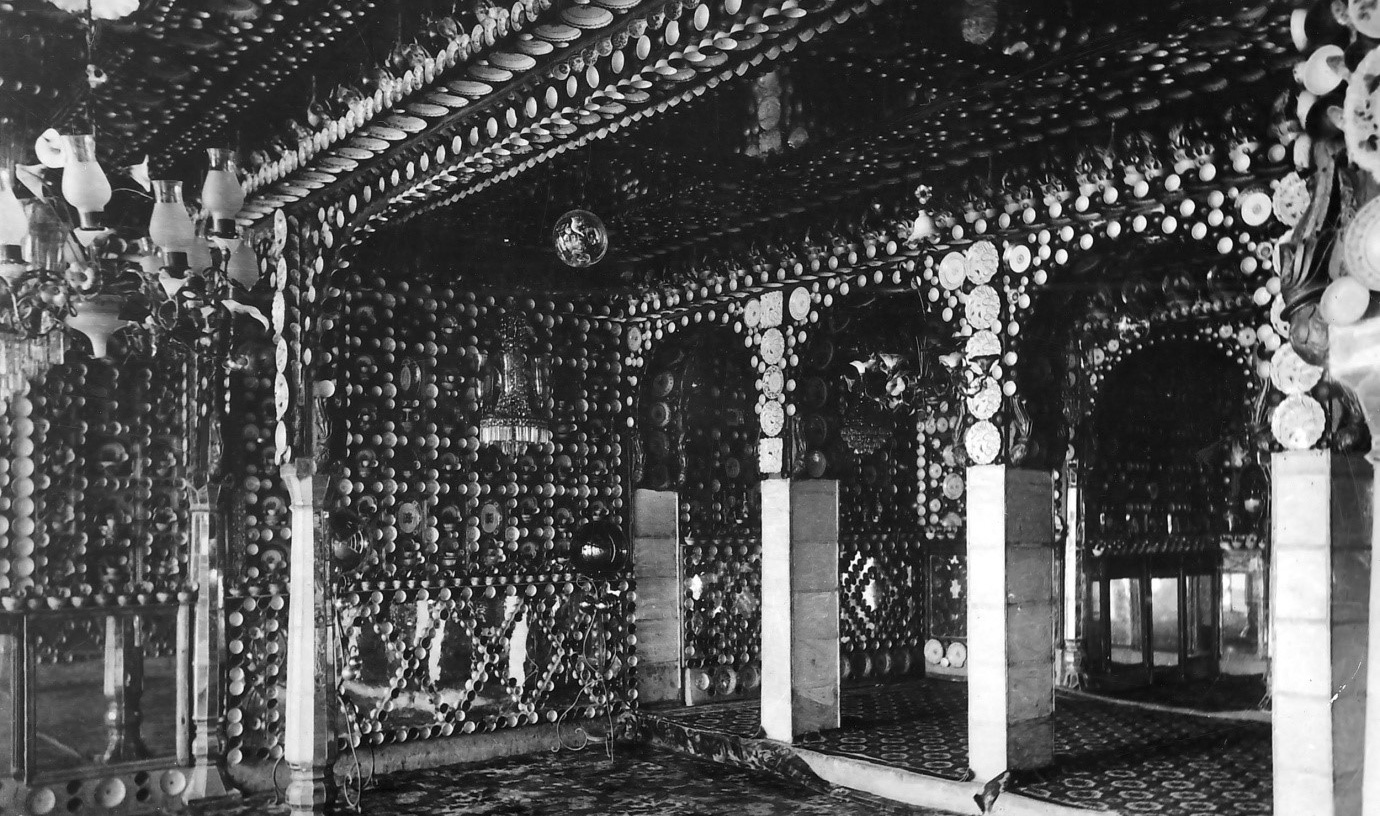

The Museum was formally opened on 16th December 1951 at the Dewan Deodi, the residence of the Salar Jungs, by Pandit Jawaharlal Nehru, the first Prime Minister of India. Later the Government of India with the consent of the family members took over the Museum formally through a compromise deed and the museum was administered by the Ministry of Scientific Research and Cultural Affairs, Government of India. Finally, in 1961, through an Act of Parliament, the Salar Jung Museum, along with its library, was declared an ‘Institution of National Importance’ by the Government of India.
The Museum was transferred to its present building, inaugurated by Dr. Zakir Hussain, President of India in the year 1968. The administration was transferred to an Autonomous Board, with the Governor of Andhra Pradesh as its Chairman. After bifurcation of the state the Governor of Telangana is its Chairman.
A Brief History of the Salar Jung Family
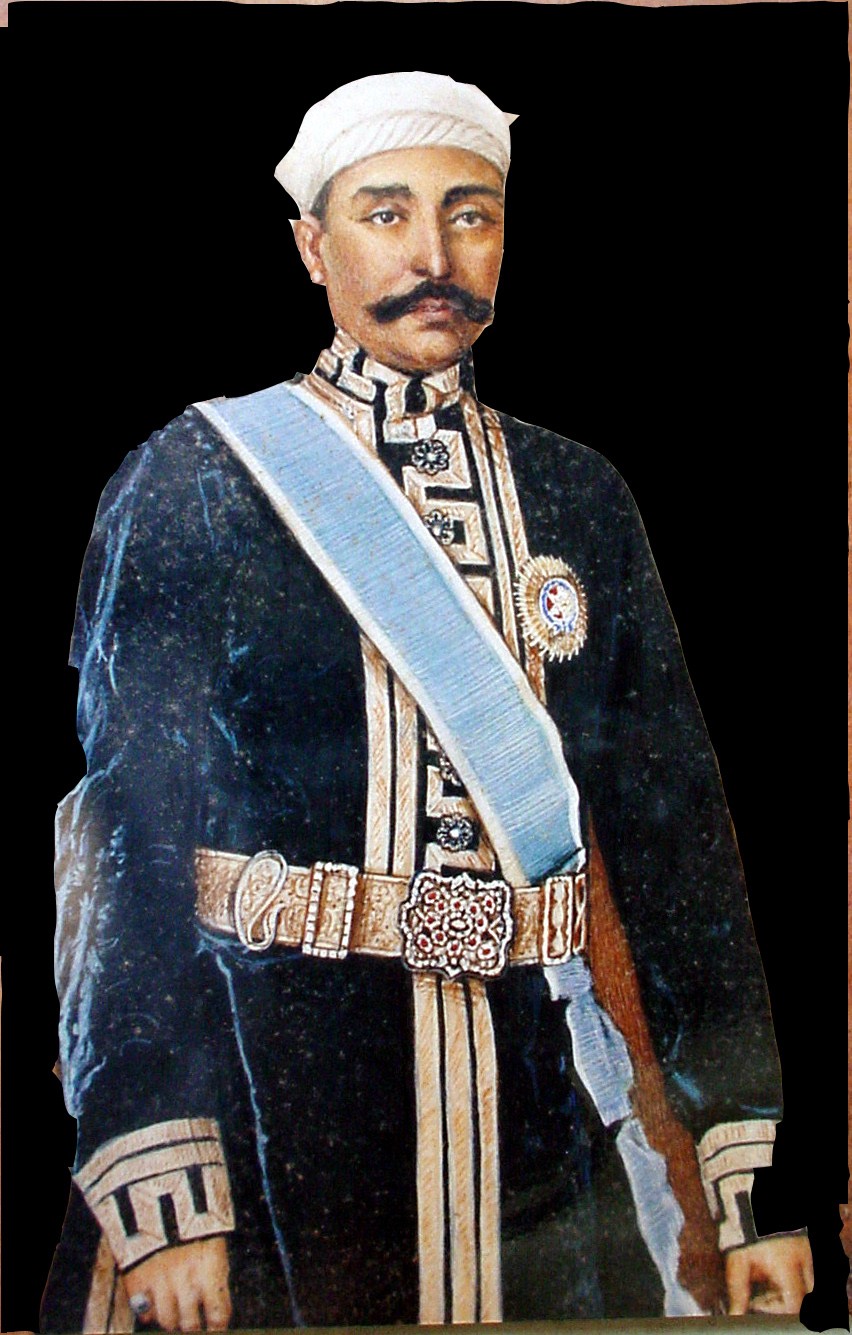
Salar Jung I.
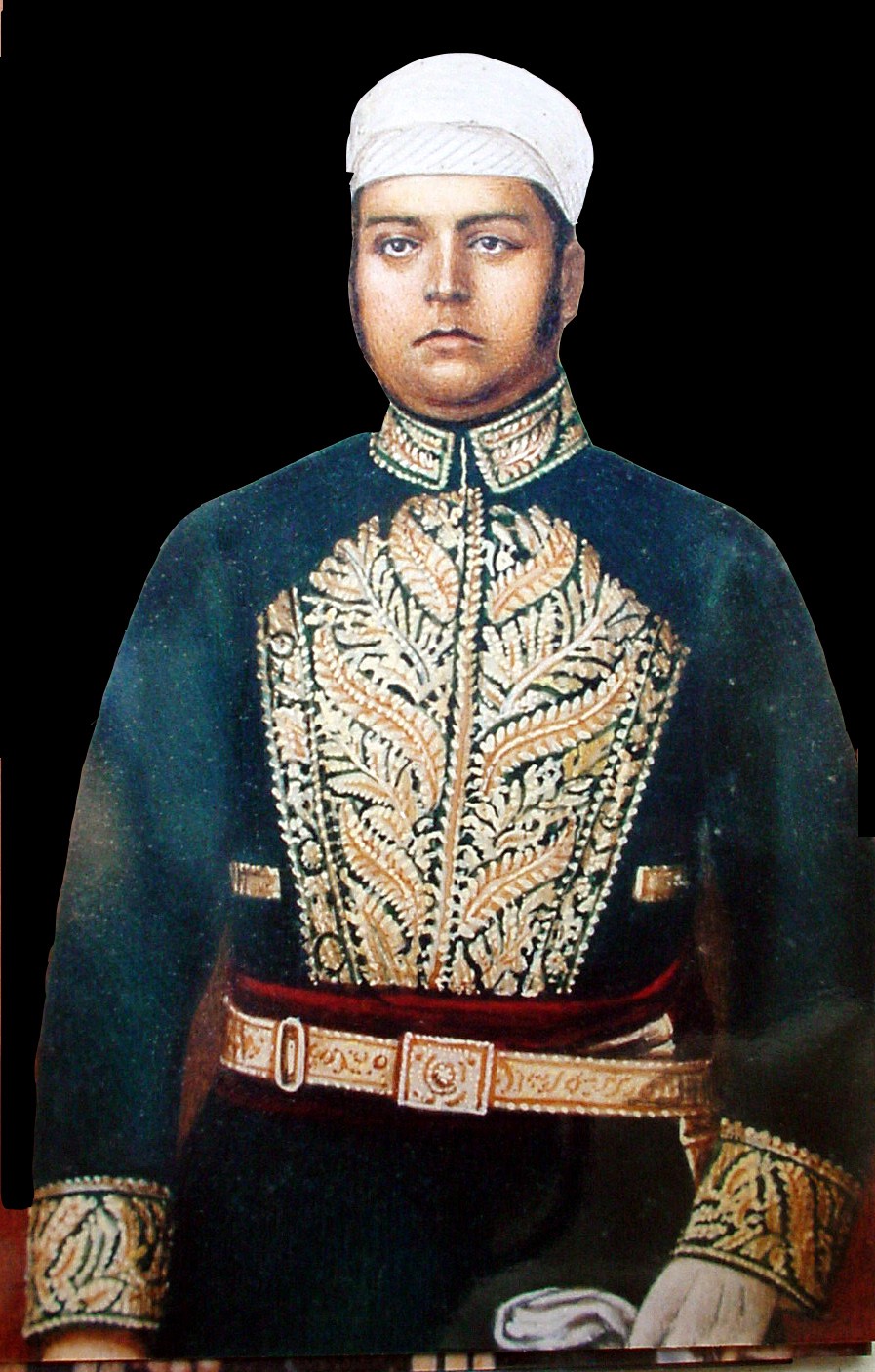
Salar Jung II.
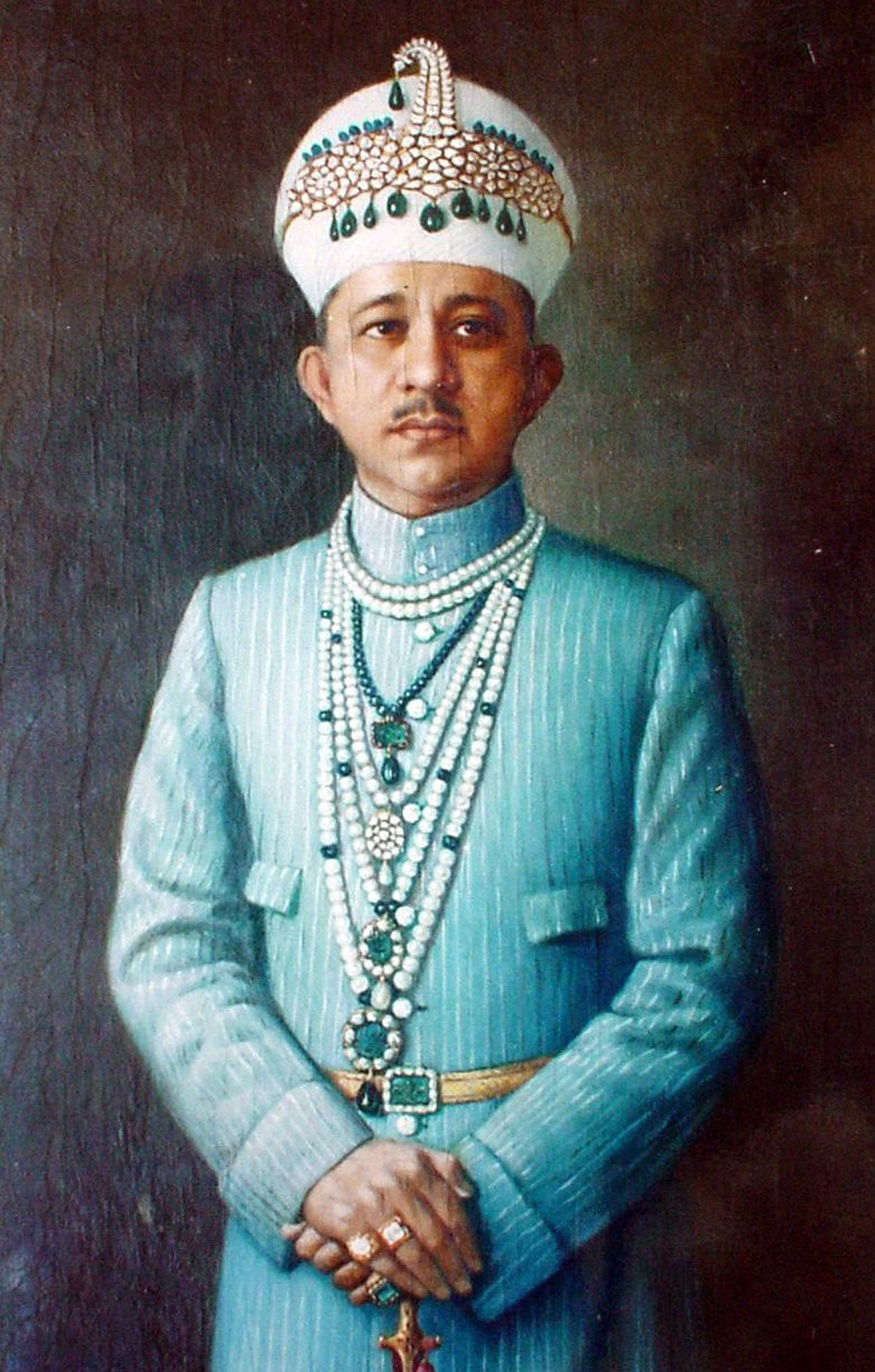
Salar Jung III.
He had two sons and two daughters, Laiq Ali Khan and Sadath Ali Khan and Noor Unnisa Begum and Sultan Bakht Begum. Salar Jung I’ s eldest son, Mir Laiq Ali Khan, was first appointed Secretary to the Council of Regency and later as a member of the Council of State. He was appointed Prime Minister in 1884 by Nizam VI of Hyderabad, Nawab Mir Mehboob Ali Khan, and was conferred the title ‘Imad-us-Sultanat’. He spent most of his time in continuing the social reforms of his father had begun and was known as a great administrator. When he was 26 years old he died at Poona leaving behind a 24-day old infant, Abdul Qasim Mir Yousuf Ali Khan. His mother Zainab Begum along with the child came to Hyderabad.

When Mir Yousuf Ali Khan was ten years old, the Nizam bestowed upon him the family title of “Salar Jung” and restored his ‘Mansab’ and other titles. Great care was taken in his upbringing. Nawab Mir Yousuf Ali Khan came into possession of the most important assets and gradually built this extraordinary collection into an art treasure. He became heir to enormous wealth when he inherited a huge estate of 450 villages spread over 1480 square miles of land, with annual revenue of Rs 23 lakh, a substantial income at that time. He was an aesthete known for his refined taste with an avid interest in arts of India, Europe, the Middle East and Far Eastern Countries. From an early age he showed his inclination for collecting rare pieces of art objects from all over the world.
When Mir Yousuf Ali Khan was ten years old, the Nizam bestowed upon him the family title of “Salar Jung” and restored his ‘Mansab’ and other titles.
Great care was taken in his upbringing. Nawab Mir Yousuf Ali Khan came into possession of the most important assets and gradually built this extraordinary collection into an art treasure. He became heir to enormous wealth when he inherited a huge estate of 450 villages spread over 1480 square miles of land, with annual revenue of Rs 23 lakh, a substantial income at that time. He was an aesthete known for his refined taste with an avid interest in arts of India, Europe, the Middle East and Far Eastern Countries. From an early age he showed his inclination for collecting rare pieces of art objects from all over the world.
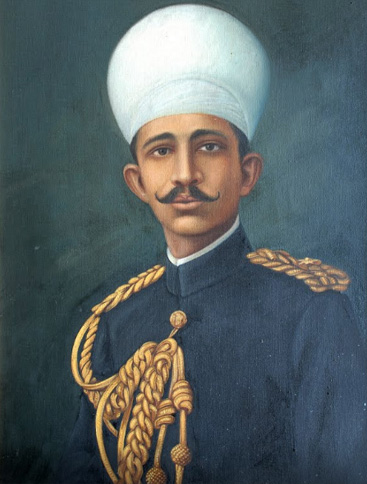
Salar Jung III.
Salar Jung III emulated the traditions of European royal families in commissioning famous manufacturing houses in Europe to specially design gold-crested cutlery and crockery. There are many household objects in the museum today which stand testimony to this. Nawab Mir Osman Ali Khan, the seventh Nizam appointed Mir Yousuf Ali Khan, Salar Jung III, as his prime minister in 1912. On health grounds, Salar Jung III relinquished the post of prime minister in November 1914. Thereafter, he devoted his time to enrich his art collection.