Jammu and Kashmir is traversed by several rivers, the most significant being the Indus, Jhelum, and Chenab, all beginning in the Himalayas. (If the text refers to the period before 2019, “State of Jammu and Kashmir” may be retained.) Owing to its varied geography, climate, soil, and altitude, the region’s vegetation ranges from tropical deciduous forests to temperate coniferous forests. The climate of the region varies according to the season, altitude, and mountainous terrain.
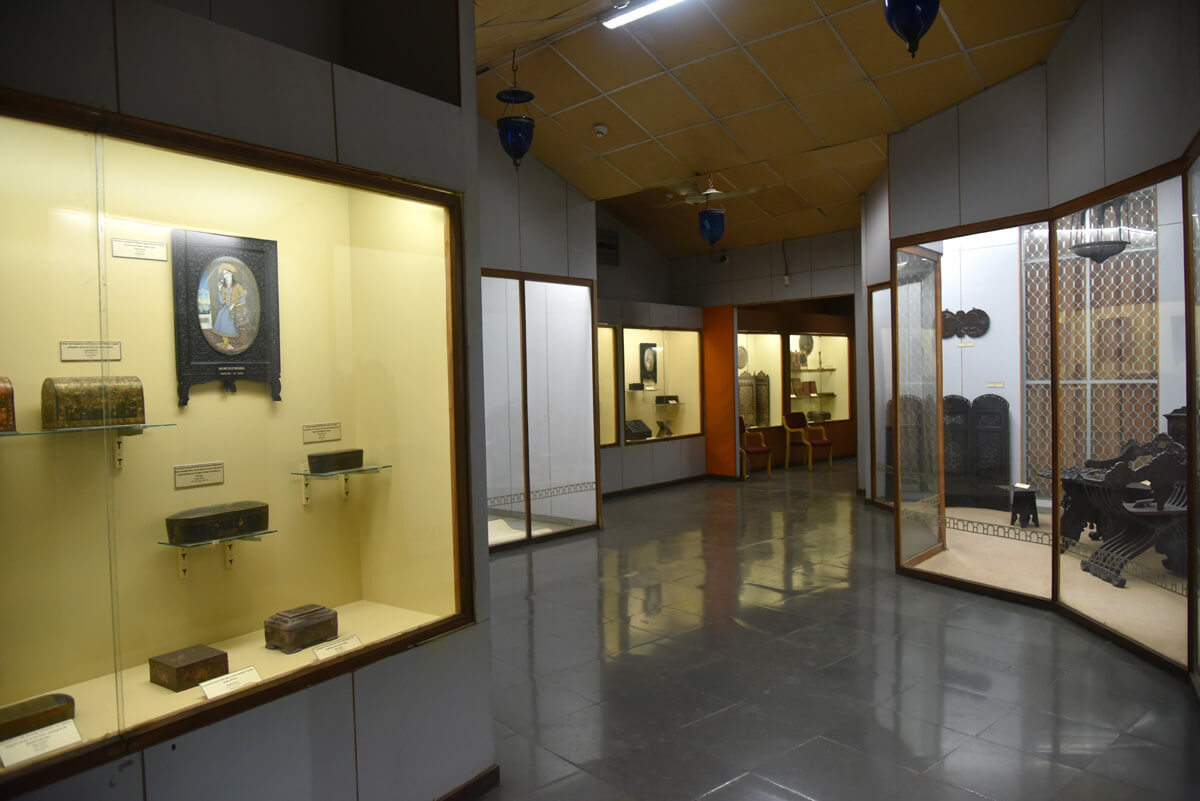
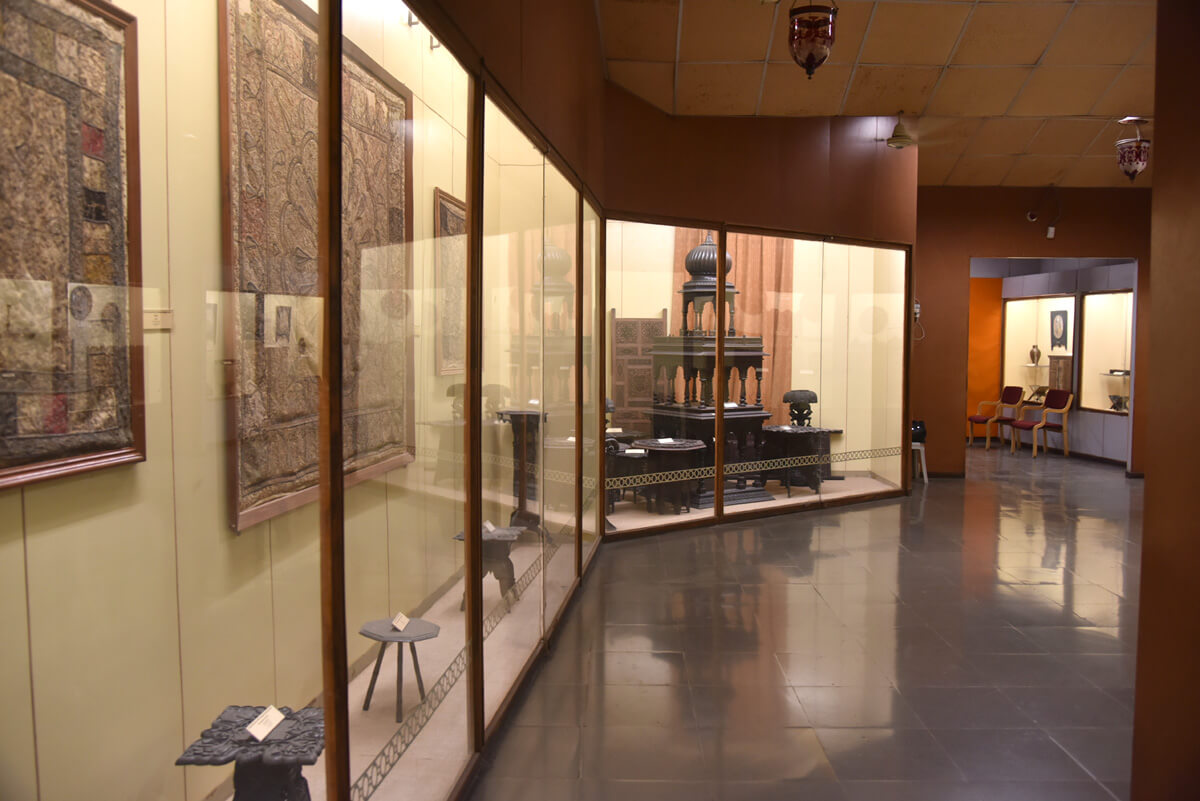
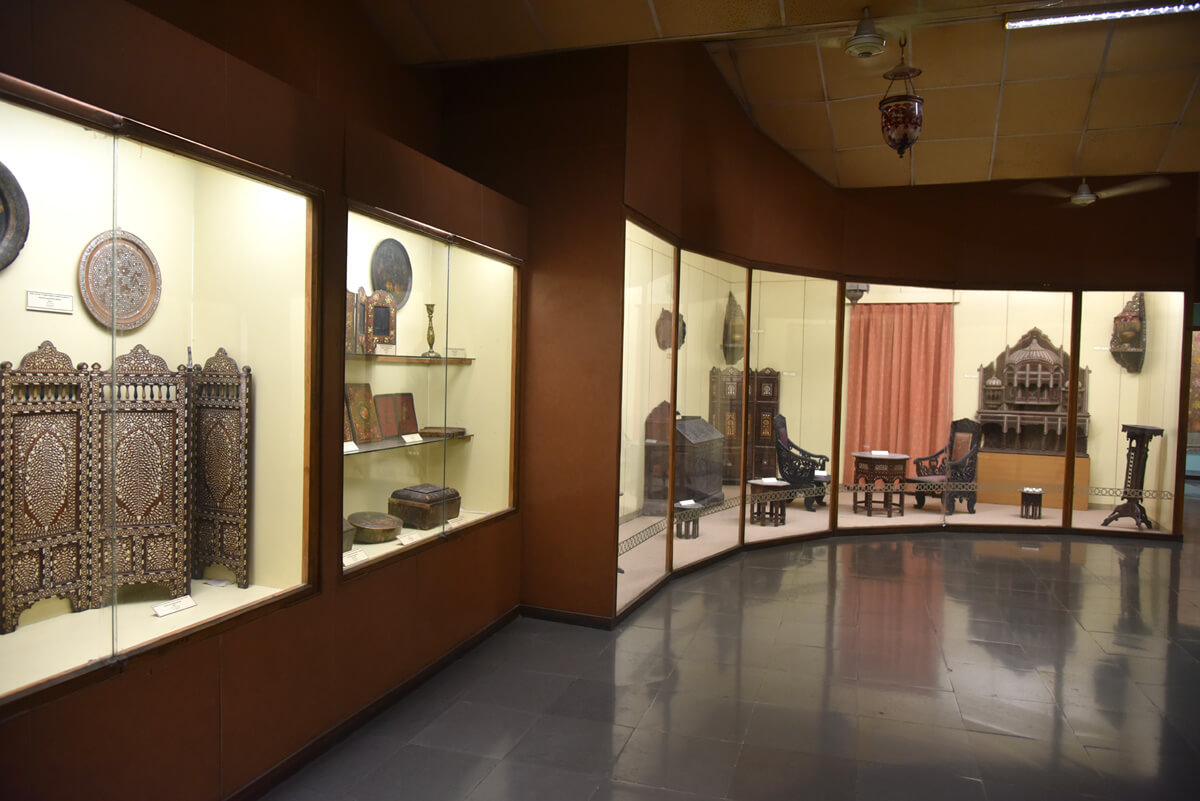
Papier-mâché is a traditional craft practised in Kashmir, with its origins traced to ancient China. The process begins by soaking paper in water until it disintegrates. The softened paper is then pounded and mixed with an adhesive to form a pulp, which is moulded into the desired shape and left to dry. Once the object has dried, intricate decorative designs, often highlighted with gold, are painted or applied to its surface. (The term “engraved” is technically incorrect for papier-mâché.) The Kashmir Gallery displays a wide range of papier-mâché boxes, decorative objects, and vases.
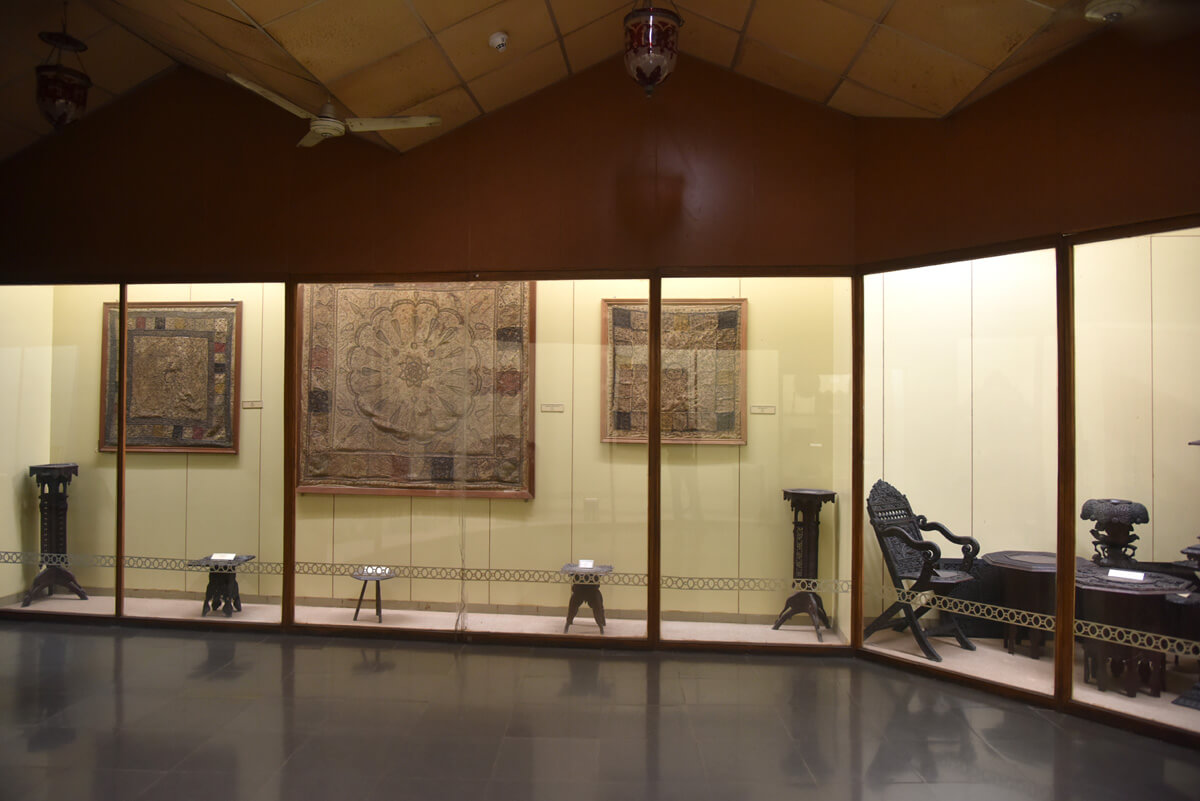
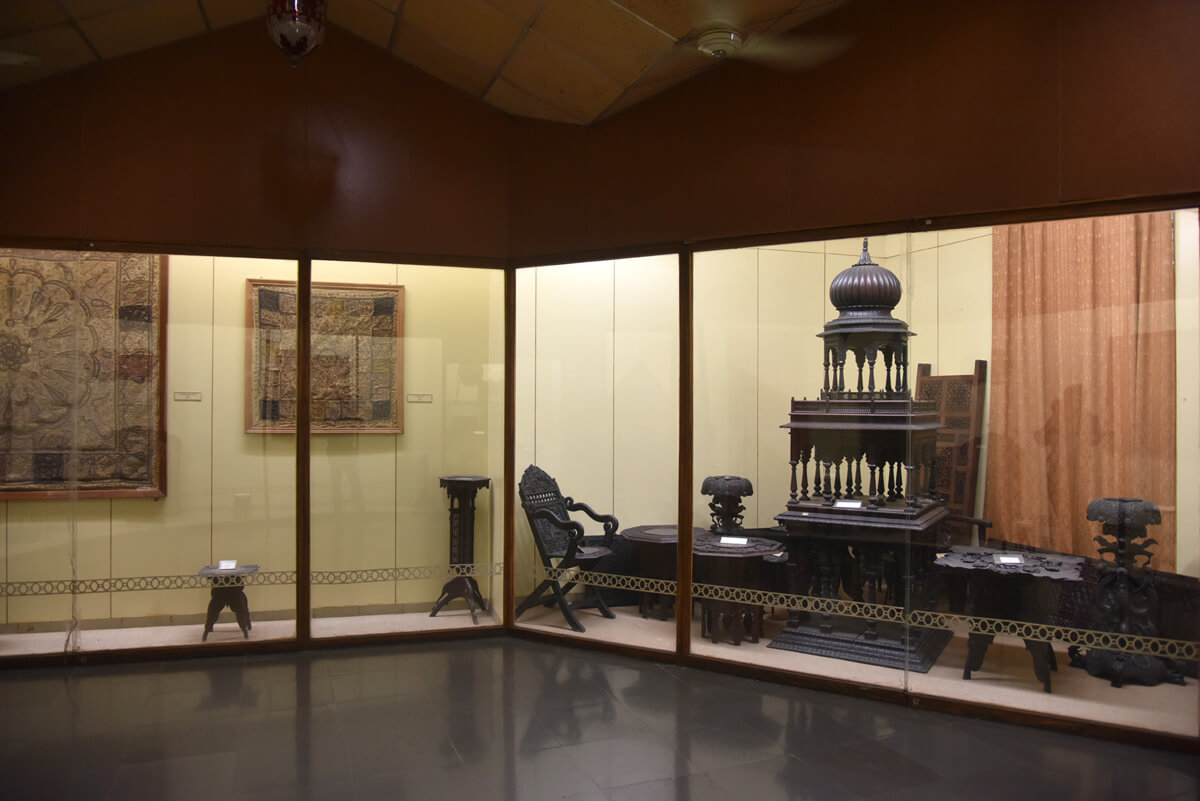
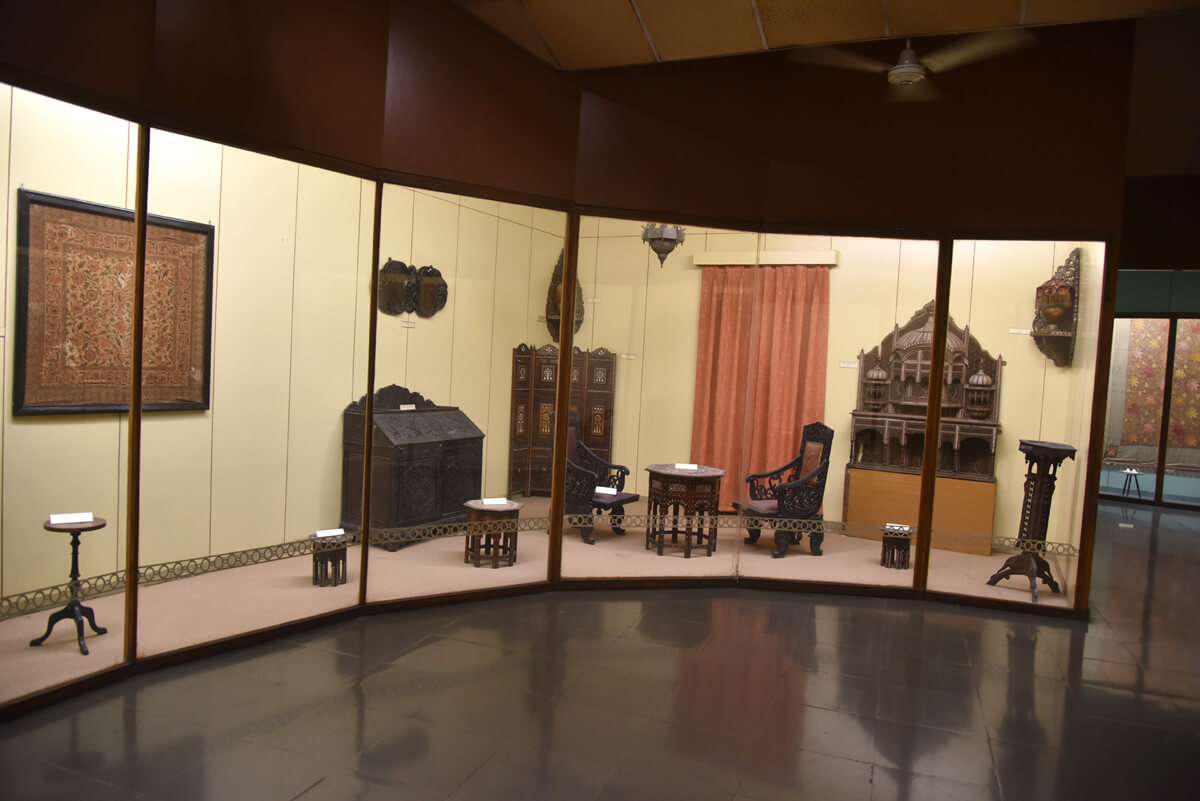
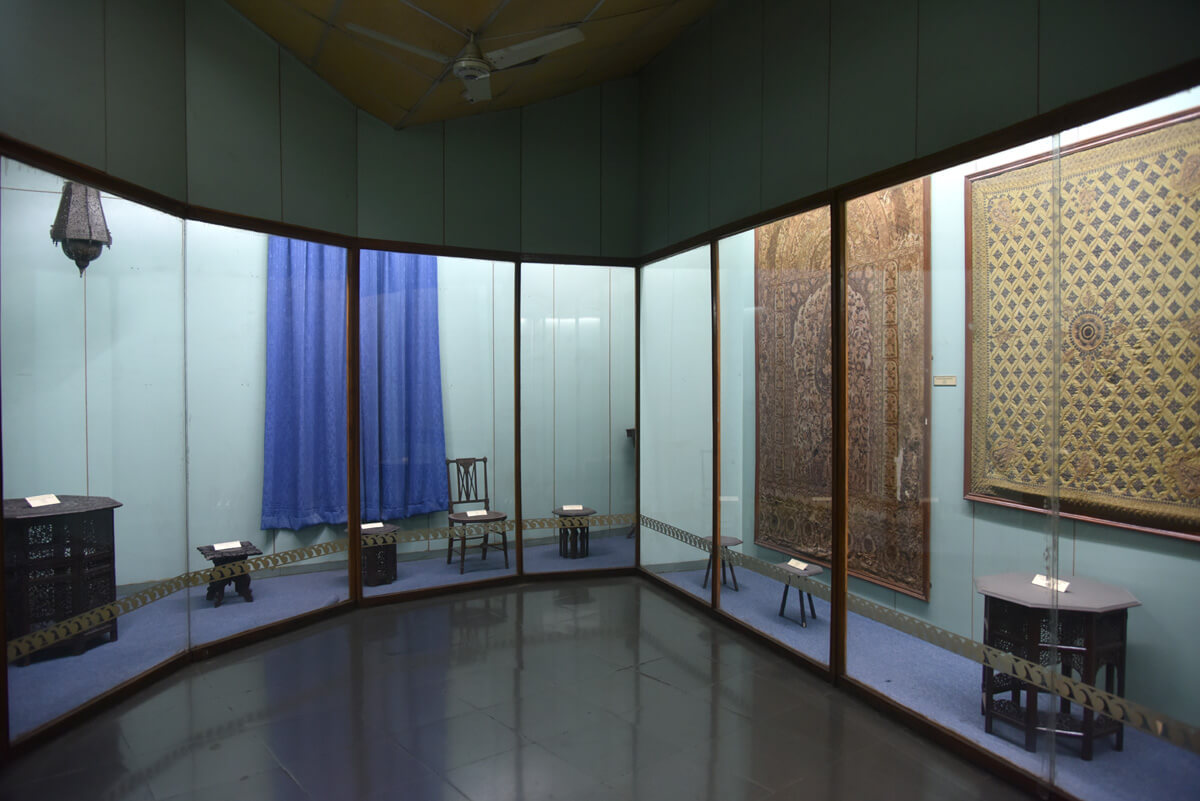
Embroidery is another celebrated craft tradition of Kashmir. Delicate Kashmiri jaali embroidery is particularly renowned. (Verify whether “jaali work” is the intended craft.) The intricate embroidery on a single shawl, stole, or bedspread often takes several months to complete. Artisans embroider and weave motifs inspired by birds, chinar leaves, flowers, and other traditional decorative designs. (Replace “maple trees” with “chinar leaves” if this is the intended motif.) One of the most intricate and popular embroidery techniques is chain stitch, which is commonly used on shawls and garments. The gallery displays a fine collection of Pashmina and Sozni shawls.
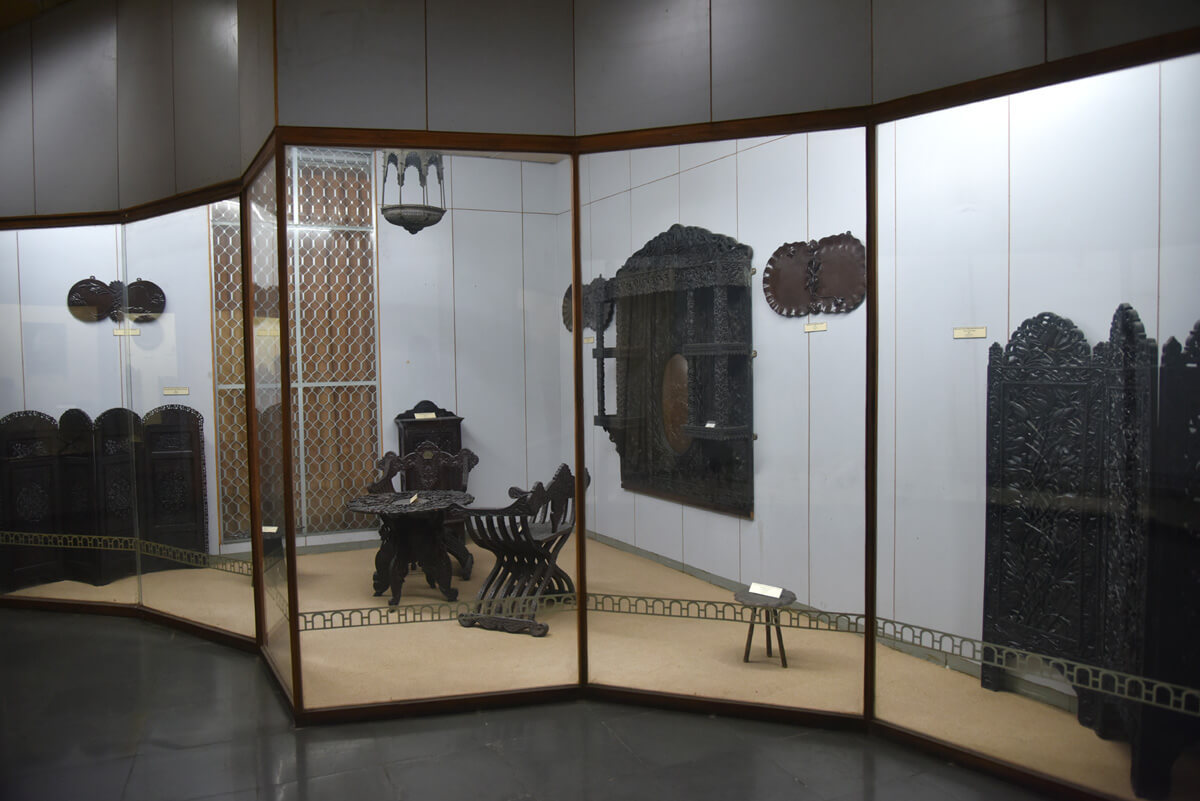
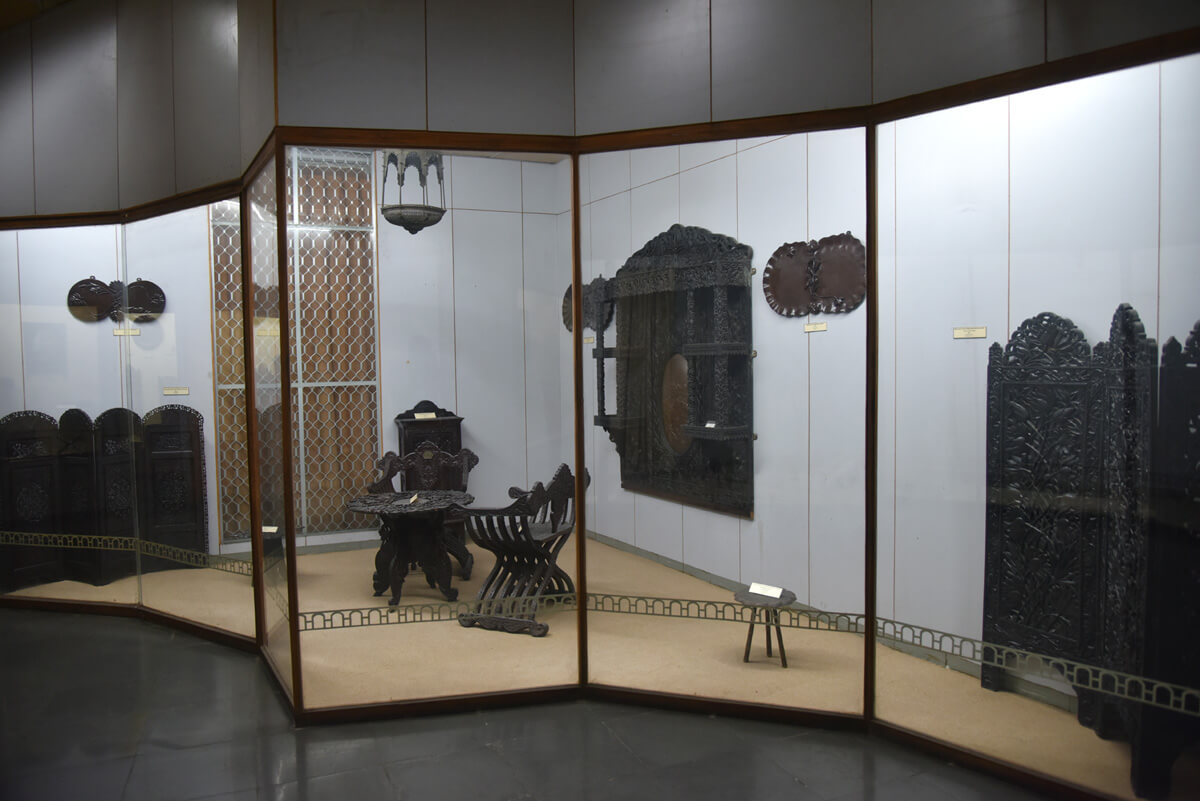
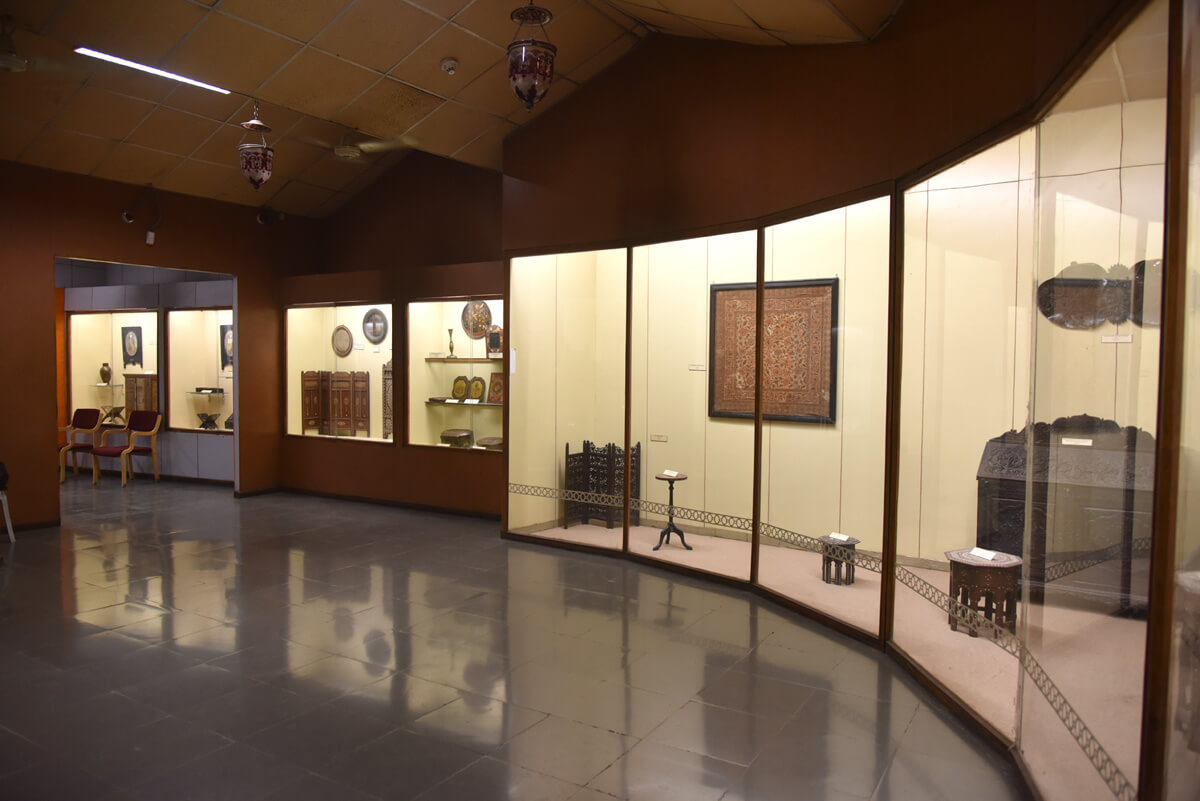
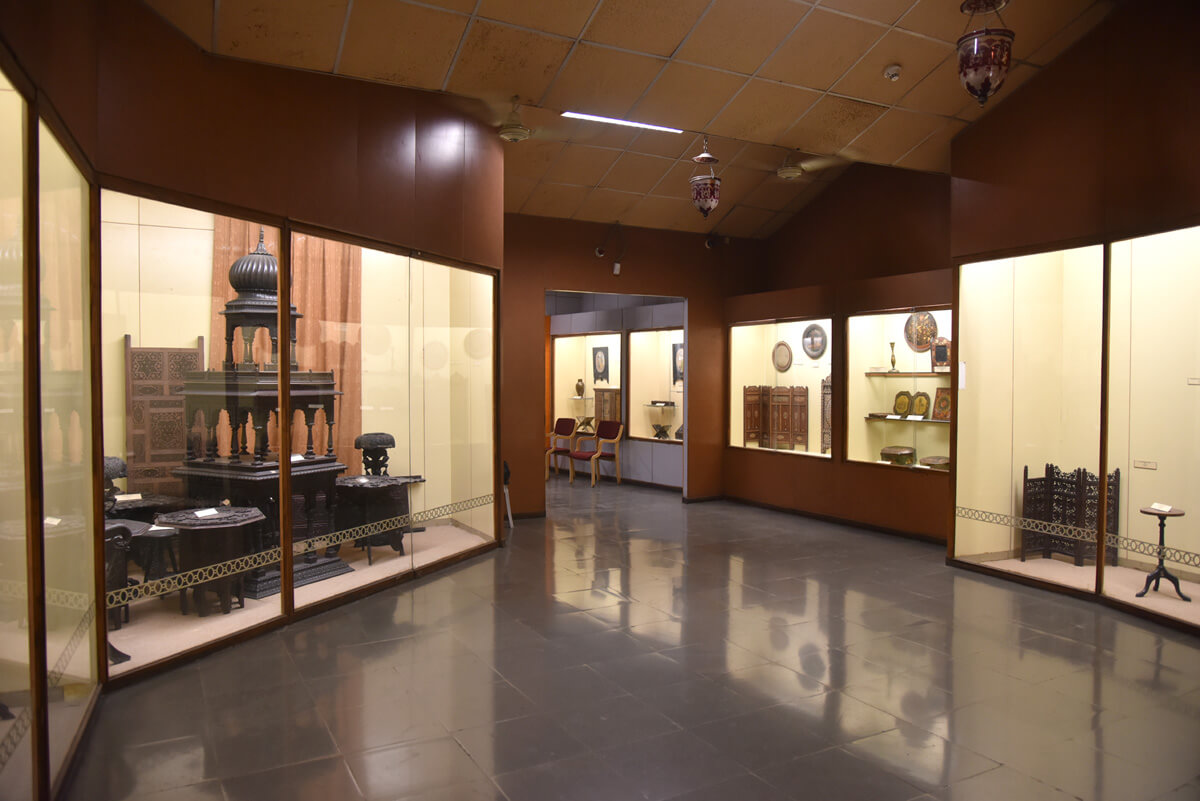
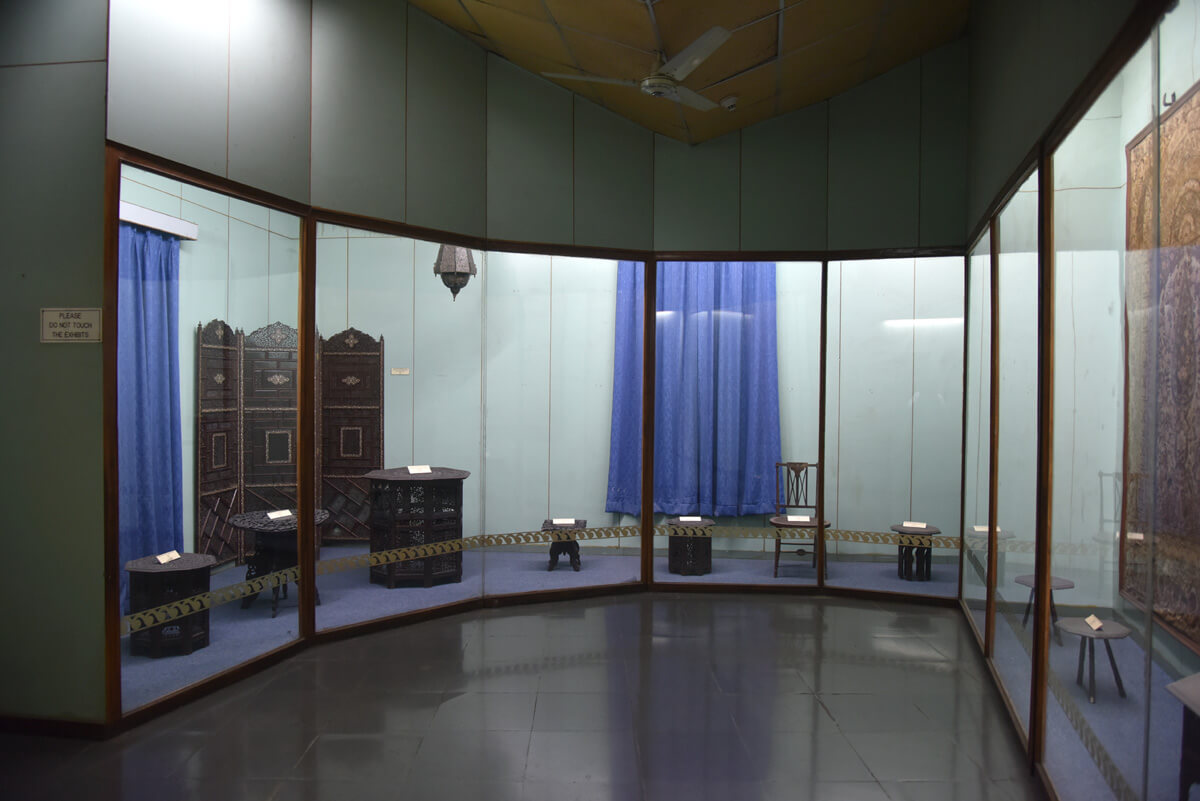
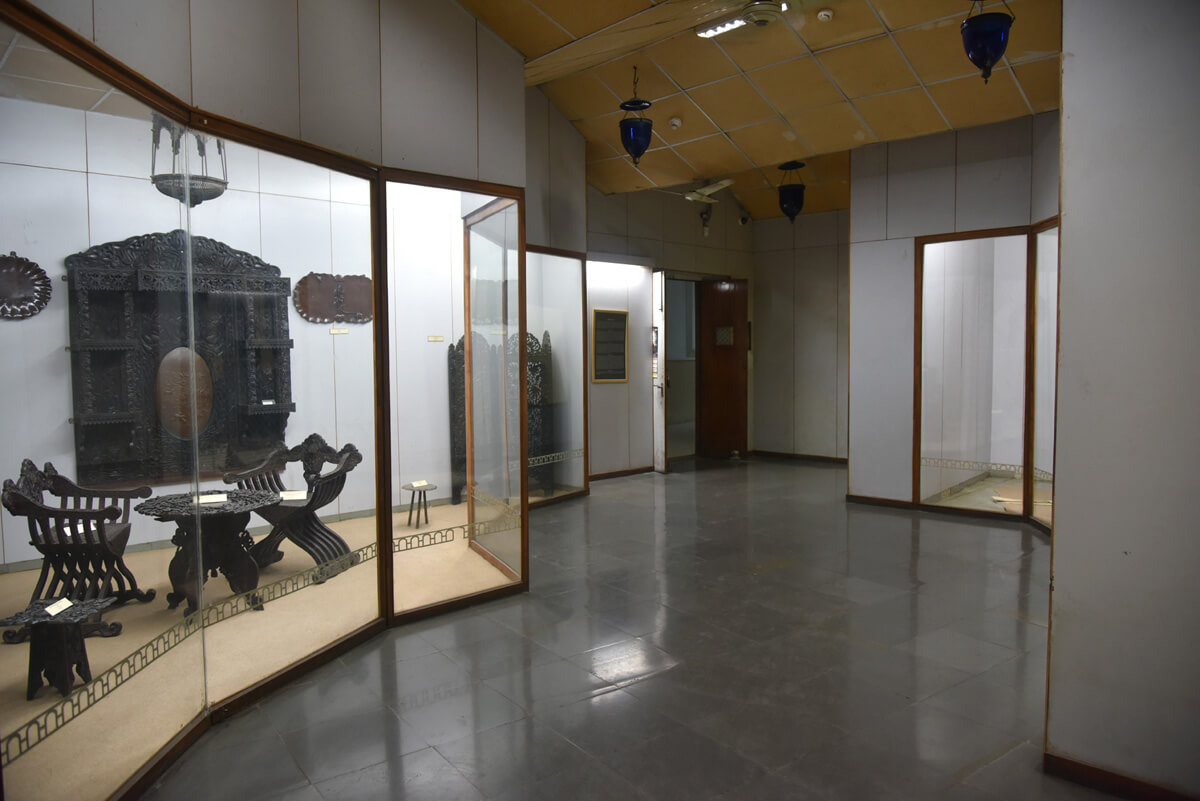
Wood carving is one of Kashmir’s best-known traditional cottage industries. Relief wood carving frequently adorns cabinets, chairs, tables, boxes, and other household objects produced in Kashmir. These intricate relief carvings, featuring traditional floral and geometric motifs, require exceptional craftsmanship. Walnut wood is widely used for carving trays, cigar boxes, tabletops, and furniture. The craft has been passed down through generations of skilled artisans. Outstanding examples of this craft can be seen at the shrine of Khwaja Naqshband, near the Jama Masjid in Srinagar. Woodwork and wickerwork have flourished in Kashmir for centuries. The gallery houses an exquisite collection of such woodwork and wickerwork objects.