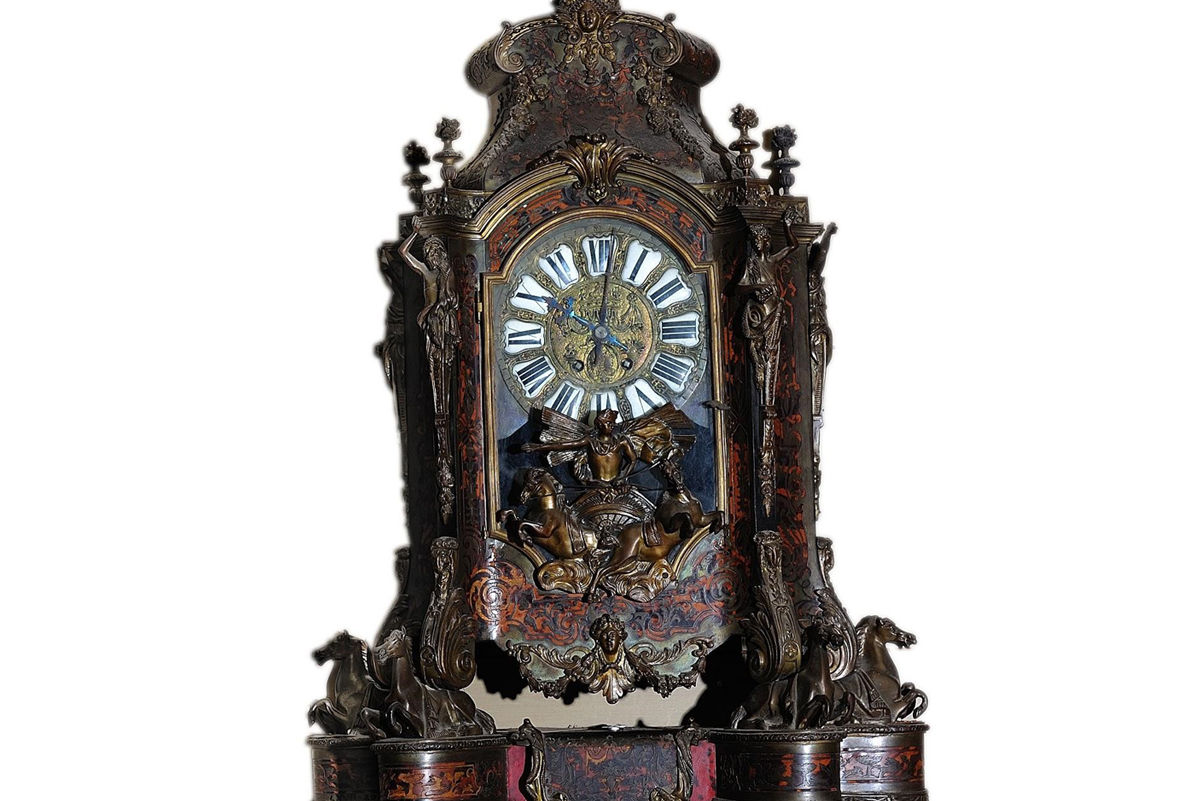
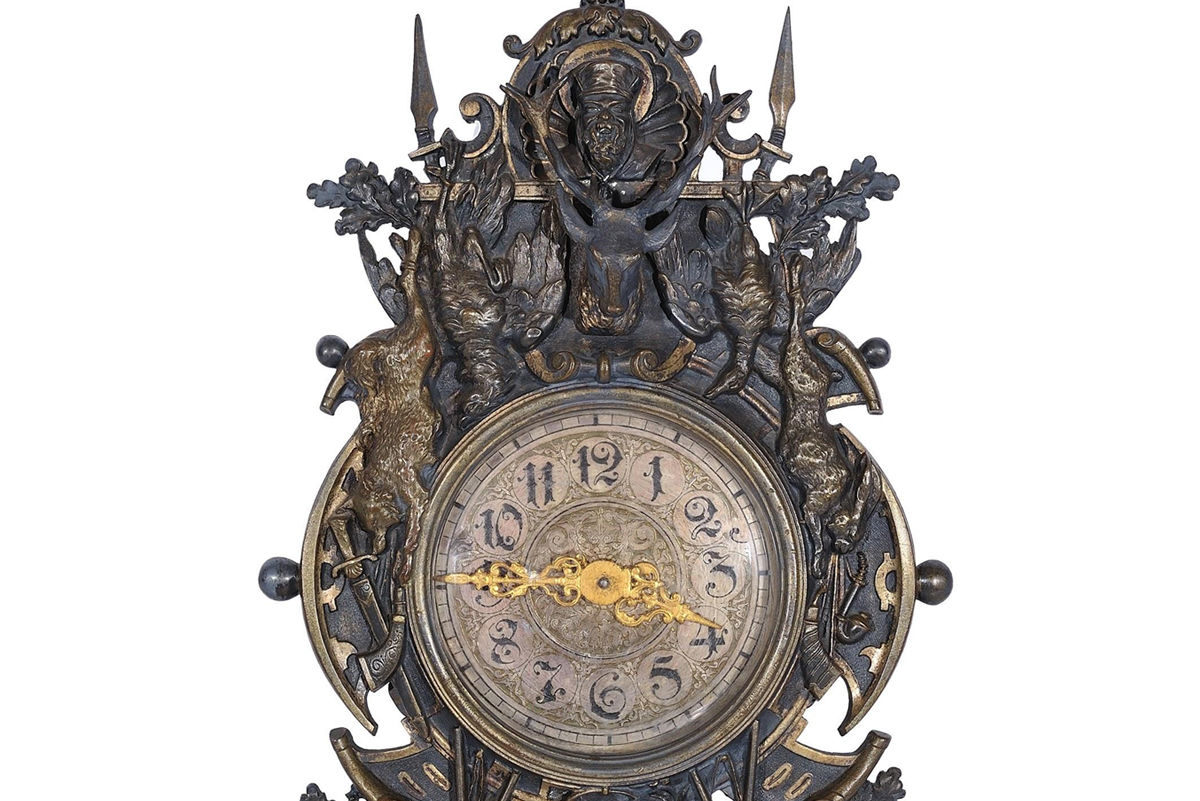
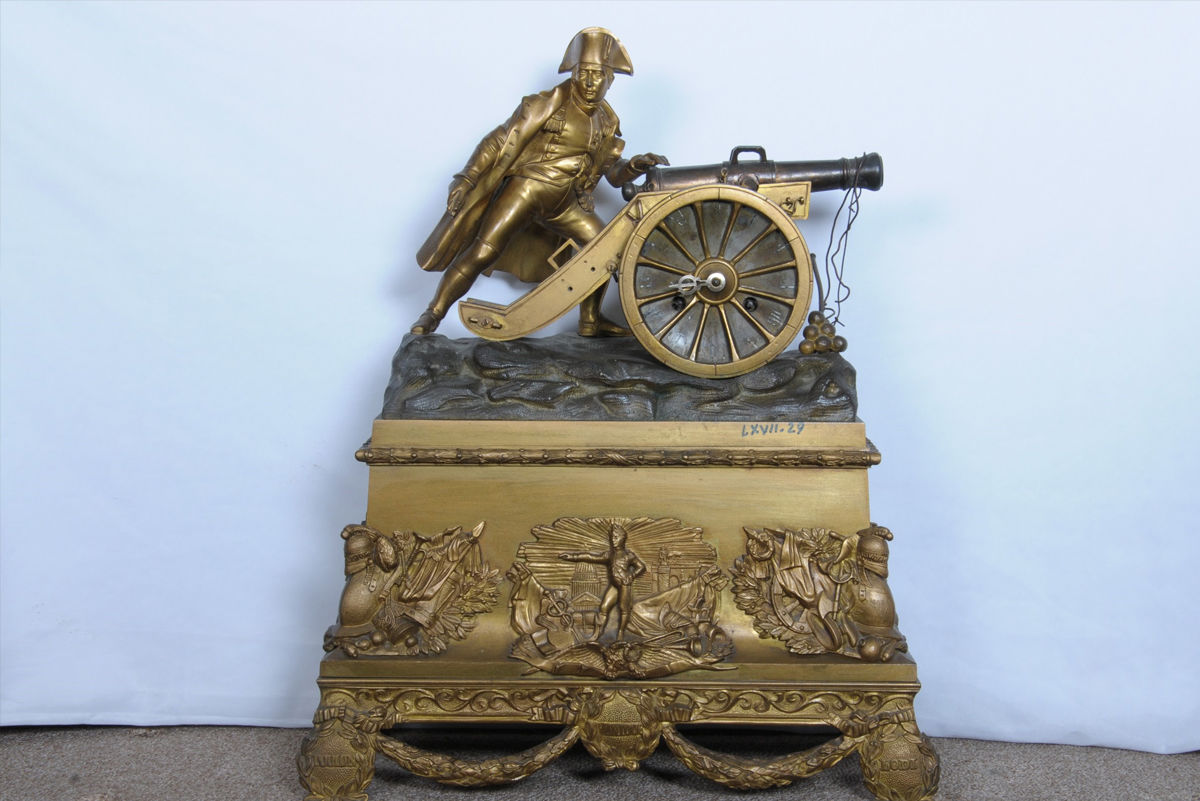
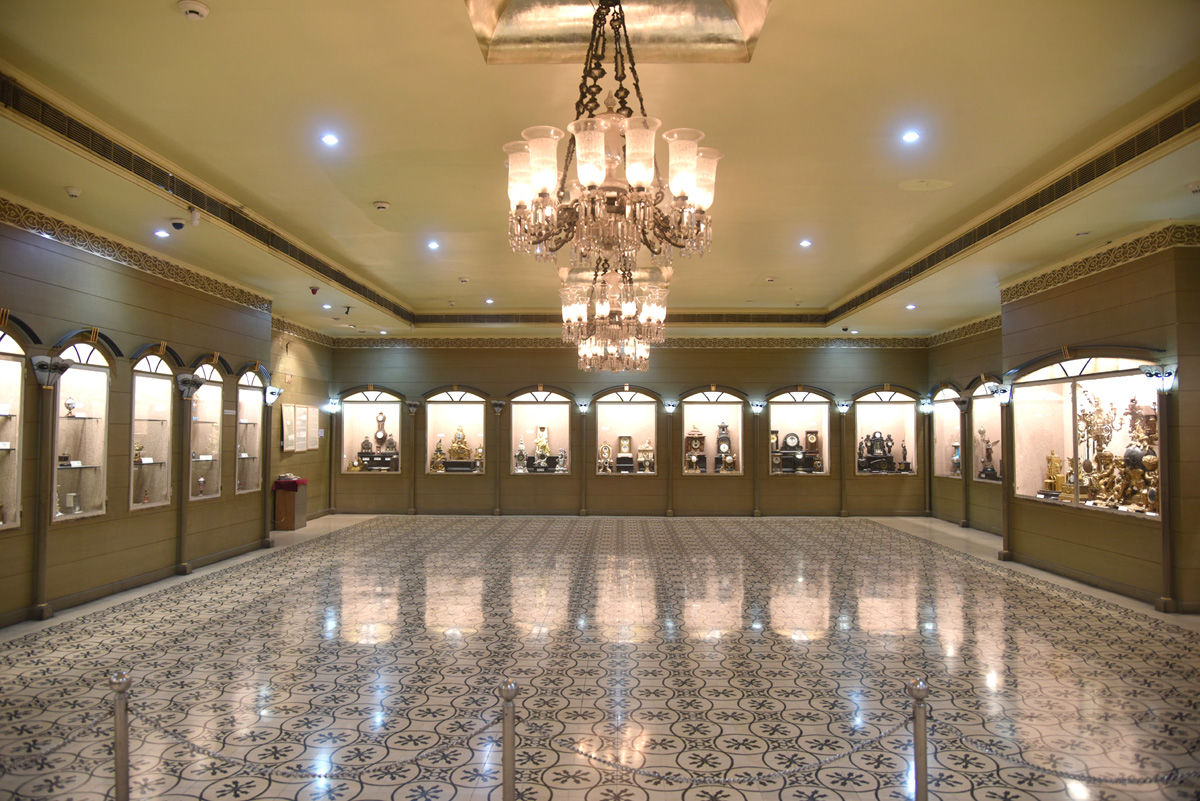
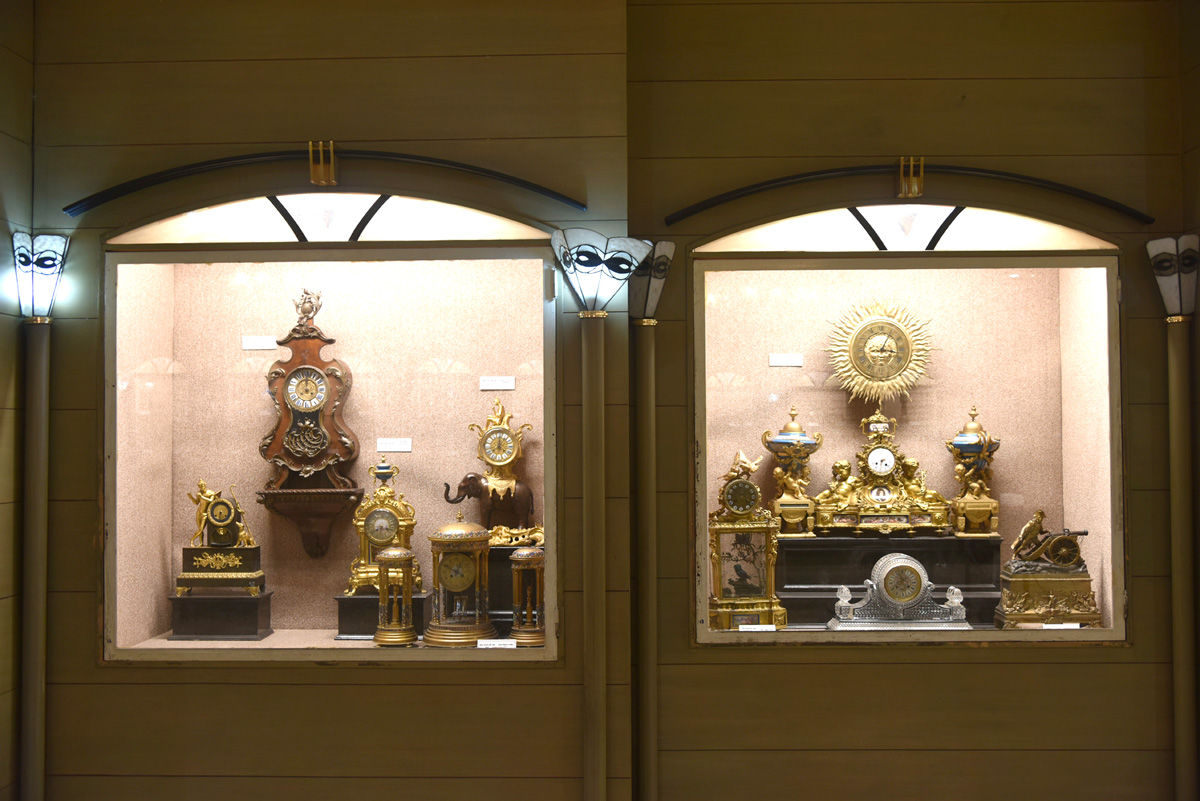
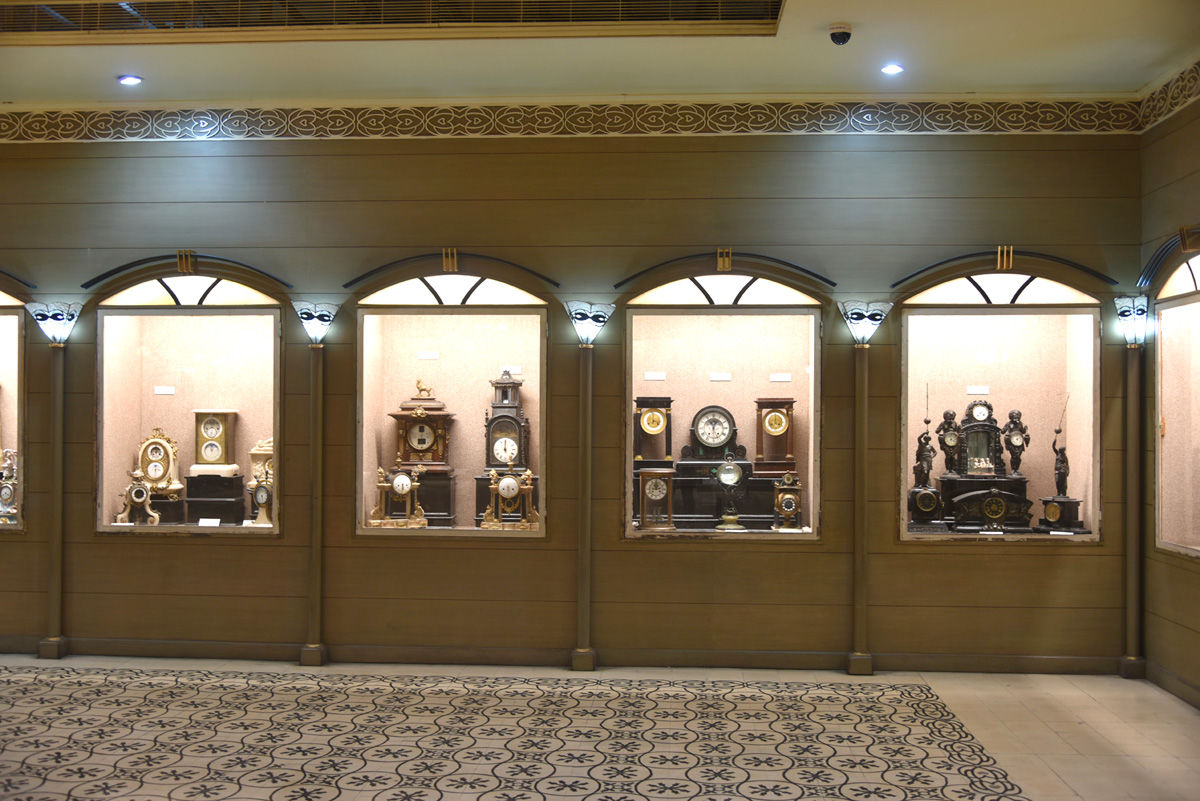
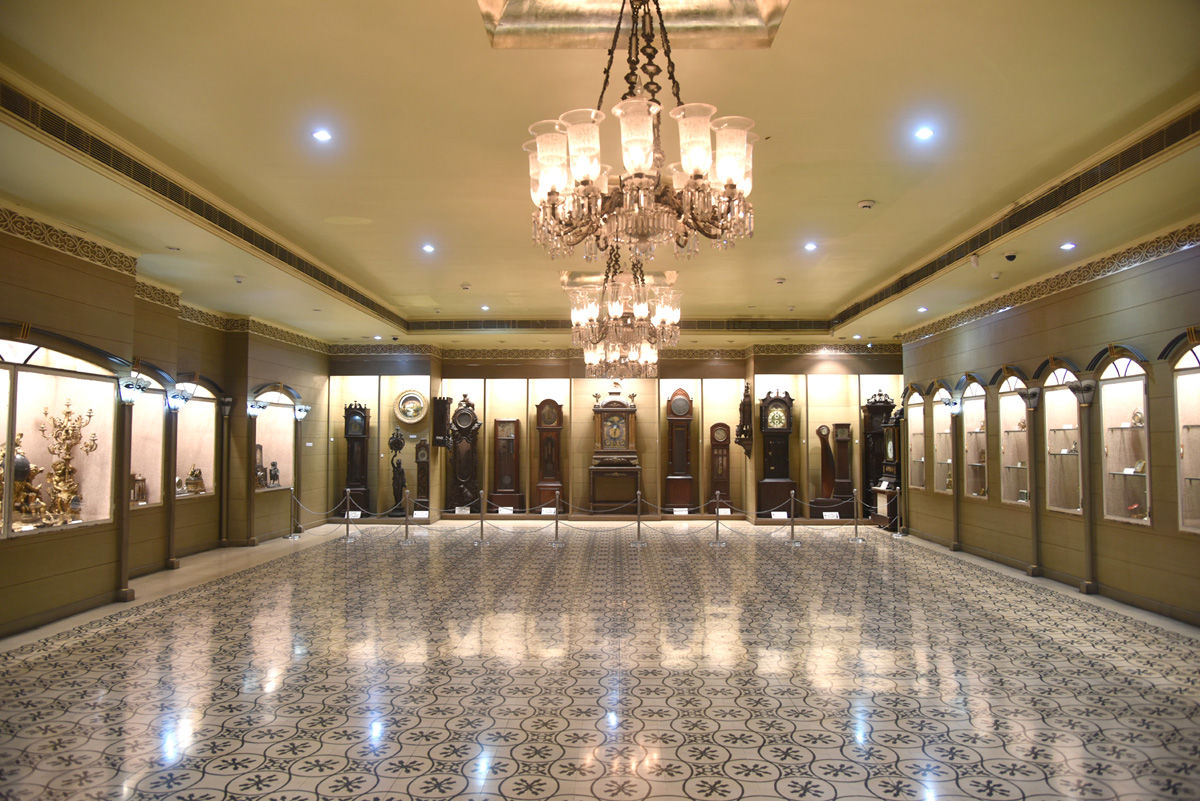
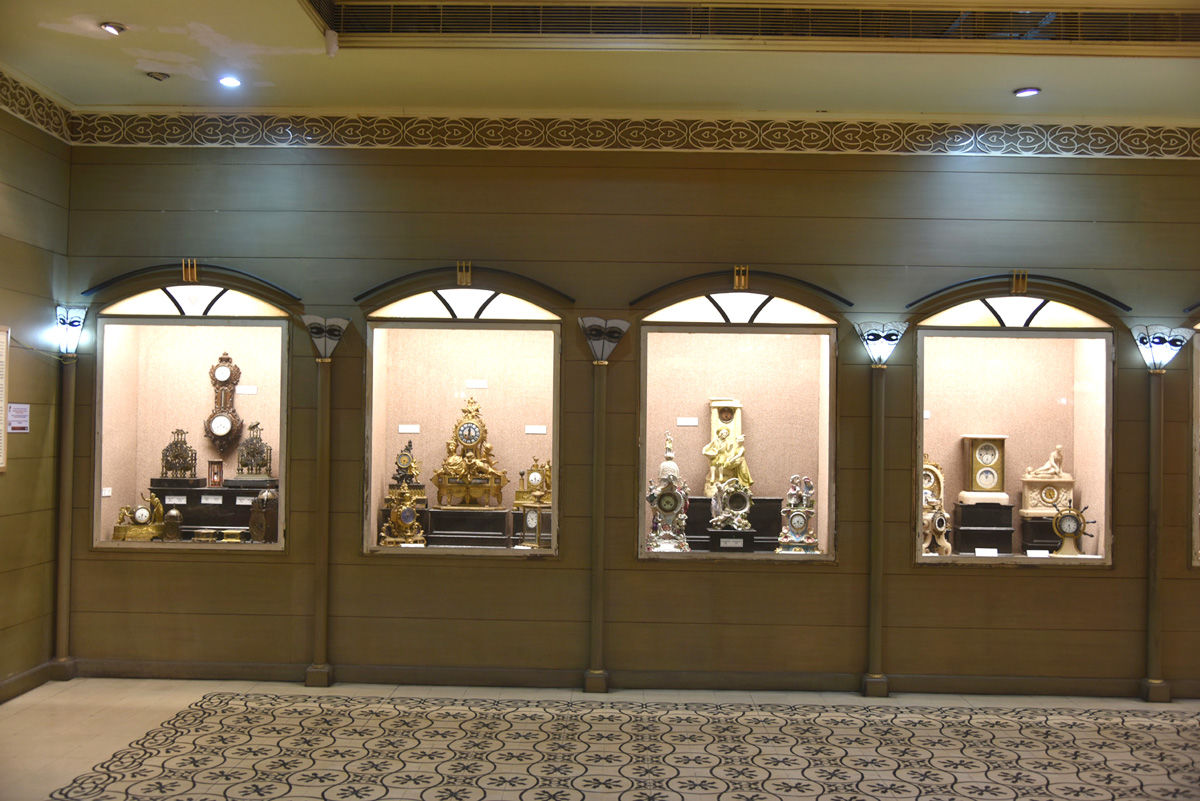
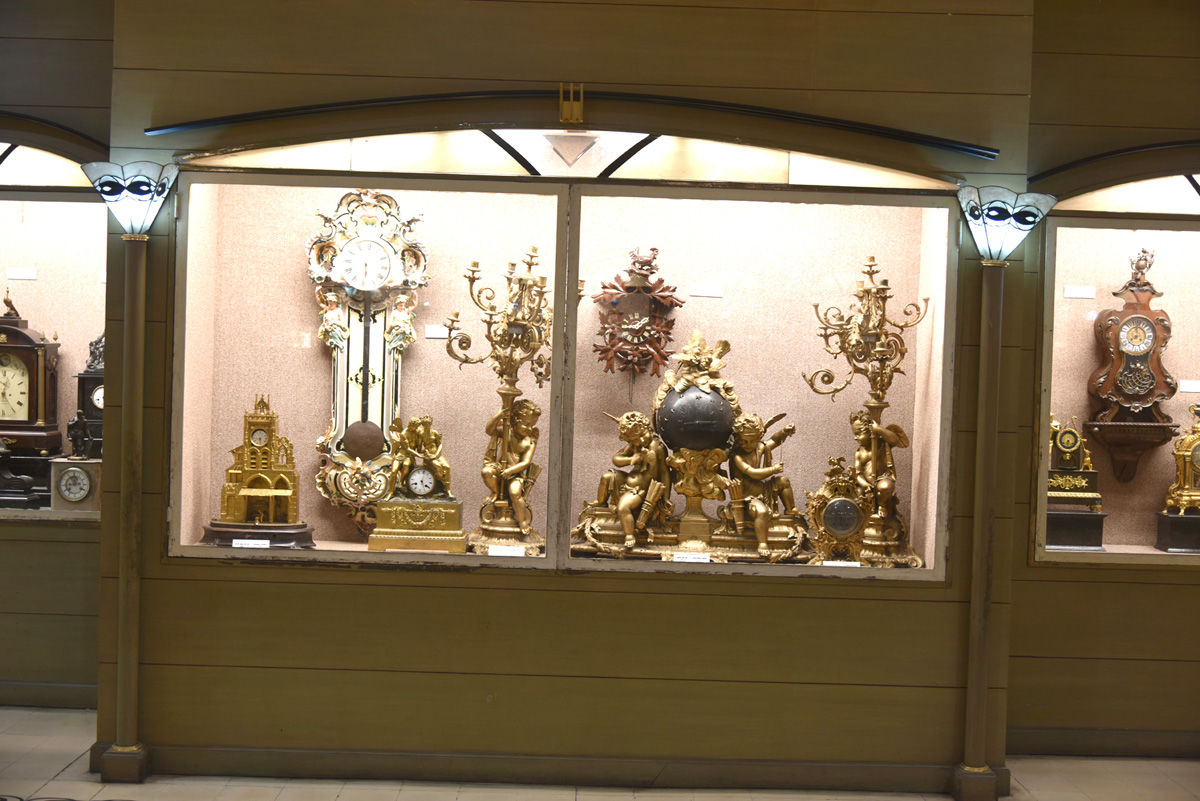
The Salar Jung Museum houses an extensive collection of clocks acquired from various European countries, including France, England, Switzerland, Germany, and the Netherlands, as well as the United States. The principal categories represented in the collection include birdcage clocks, bracket clocks, grandfather clocks, umbrella clocks, and barometers. (Use consistent lower case unless these are official gallery classifications.)
Among the highlights are two magnificent clocks dating to the reign of Louis XIV of France. One was made by Julien Le Roy (1686–1759), the celebrated French clockmaker and royal horologist. (The association with Louis XIV should be verified—Julien Le Roy is more commonly associated with Louis XV.) The museum also houses clocks dating from the reigns of Louis XV, Louis XVI, and Napoleon I of France. Many of these clocks feature finely crafted ormolu mounts, while others are decorated with elegant Rococo motifs. (In running text, “ormolu” is not usually capitalised.)
One of the museum’s most celebrated exhibits is the British-made Bracket Clock. The clock incorporates an ingenious mechanical automaton in which a miniature figure emerges from a small doorway to strike a gong on the hour before returning inside. (Use “automaton”, the correct horological term.) Decorated with ormolu mounts, this type of automaton clock was highly fashionable in England during the eighteenth and nineteenth centuries.