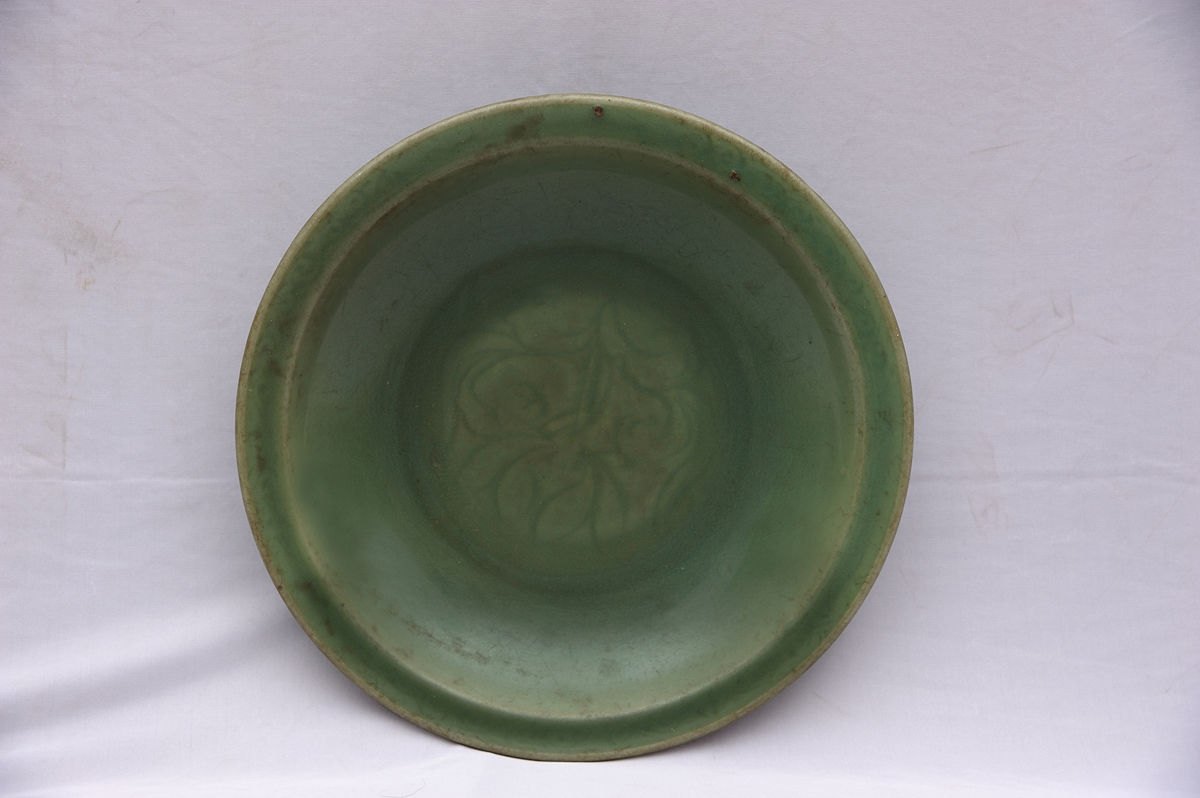
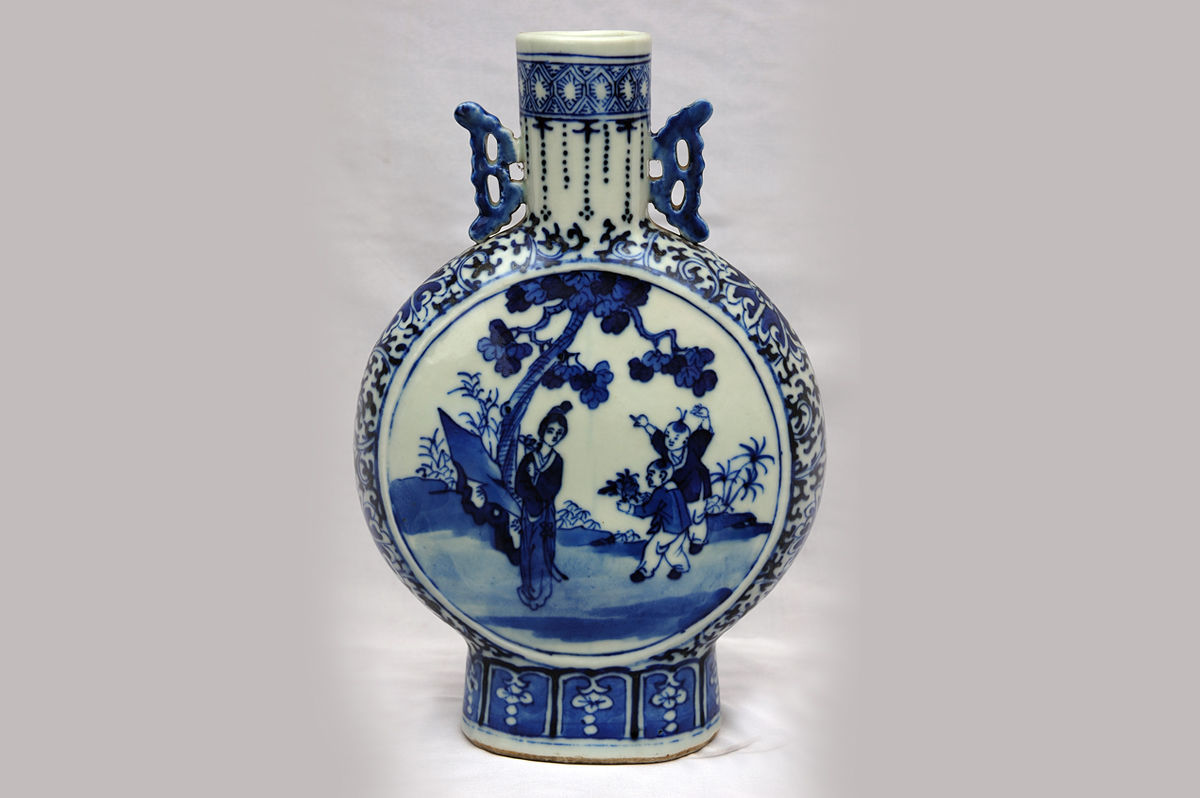
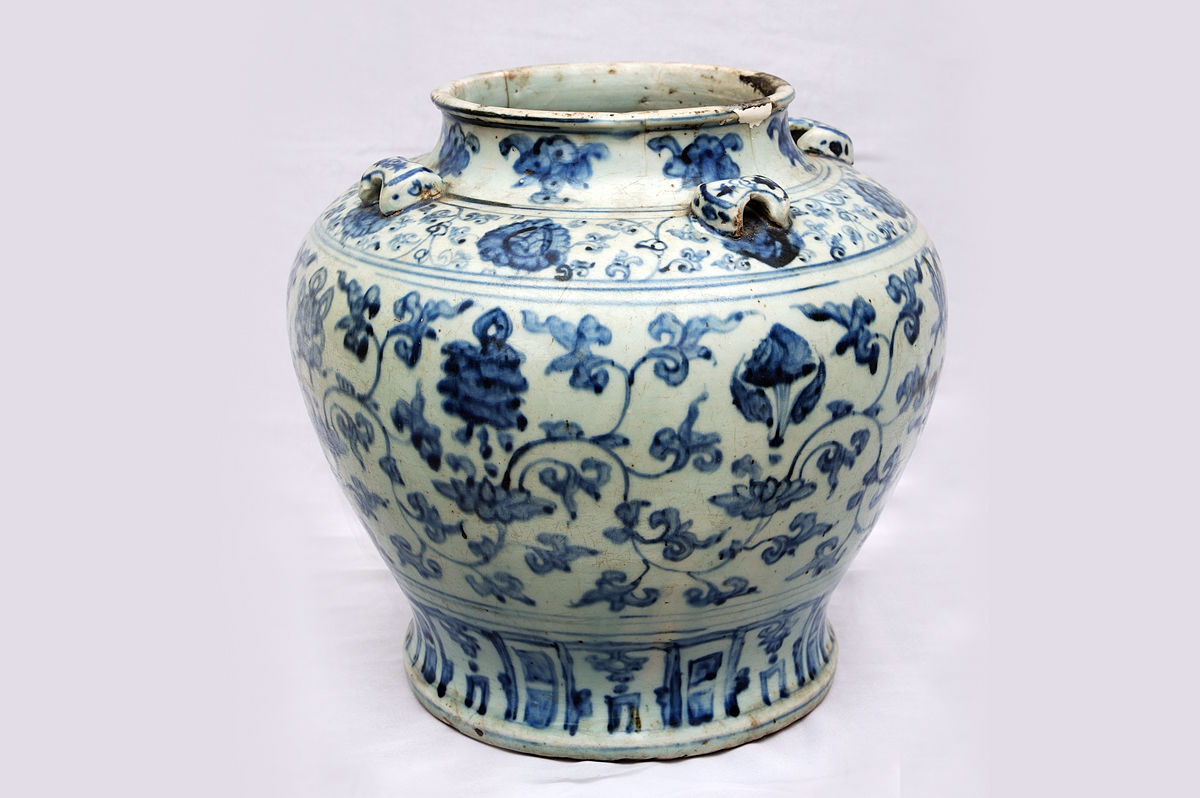
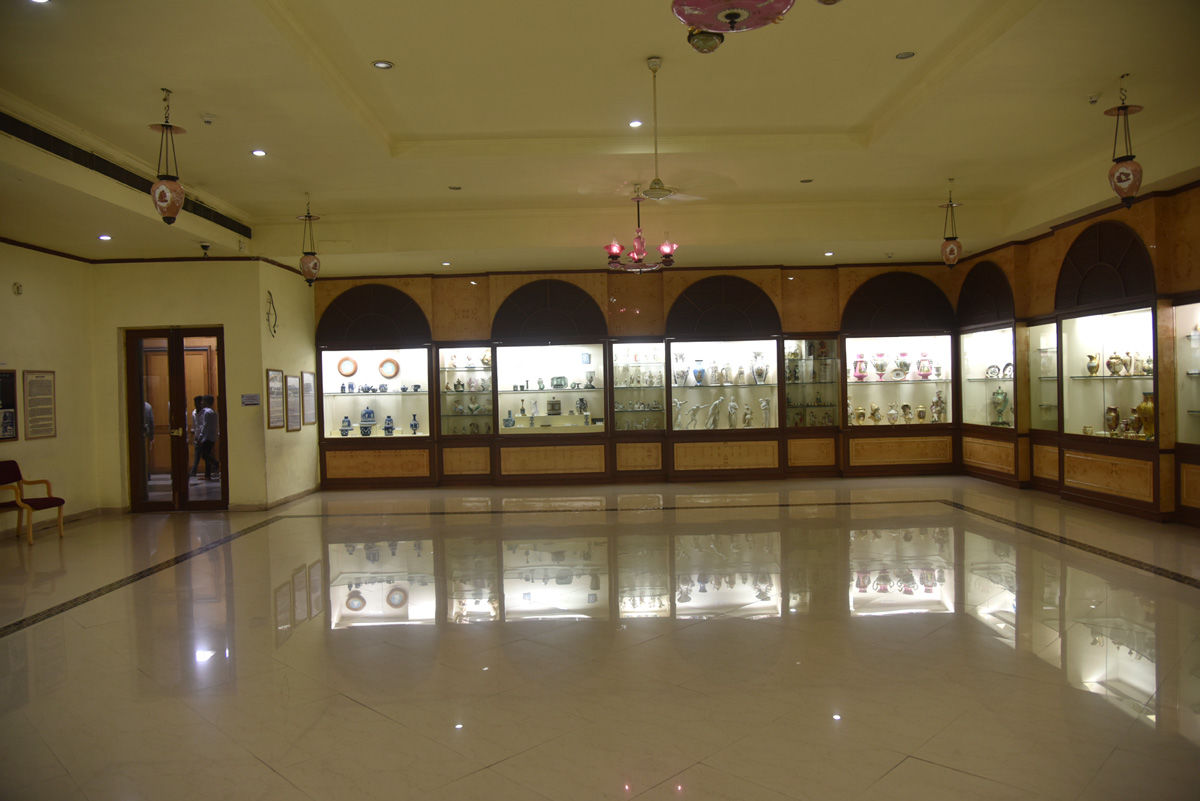
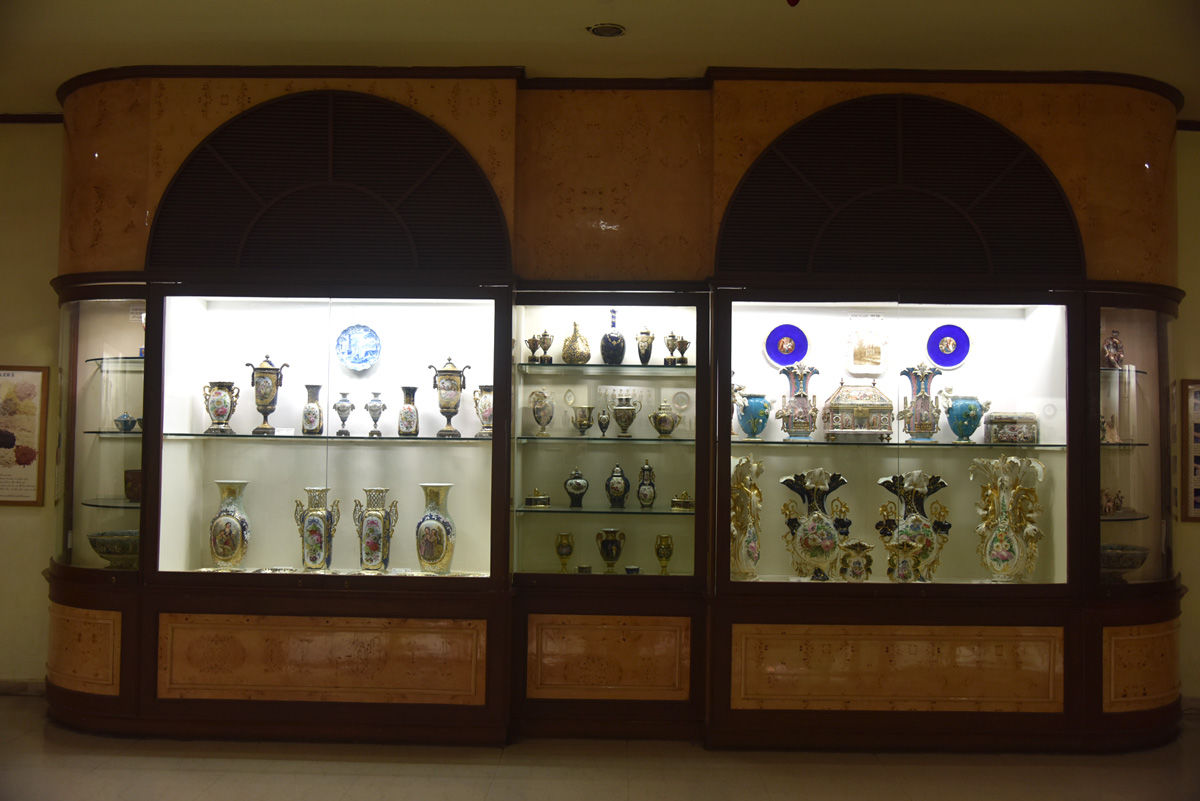
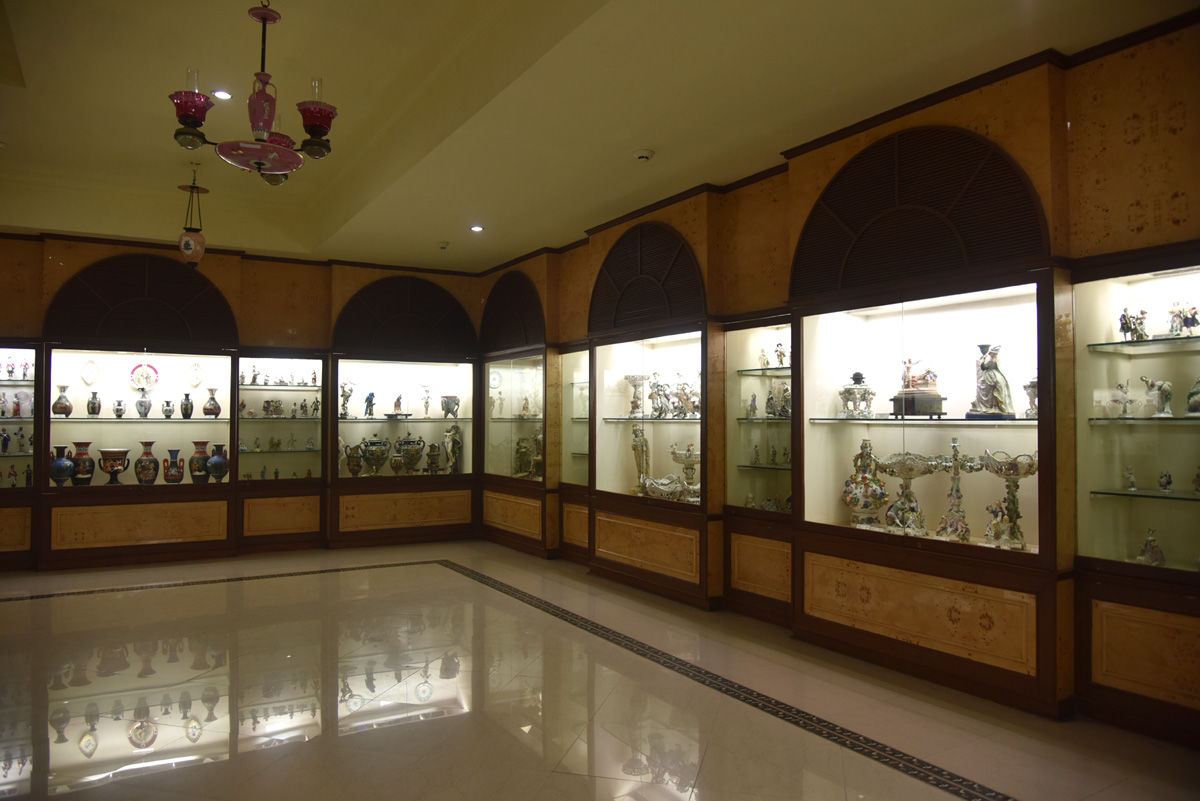
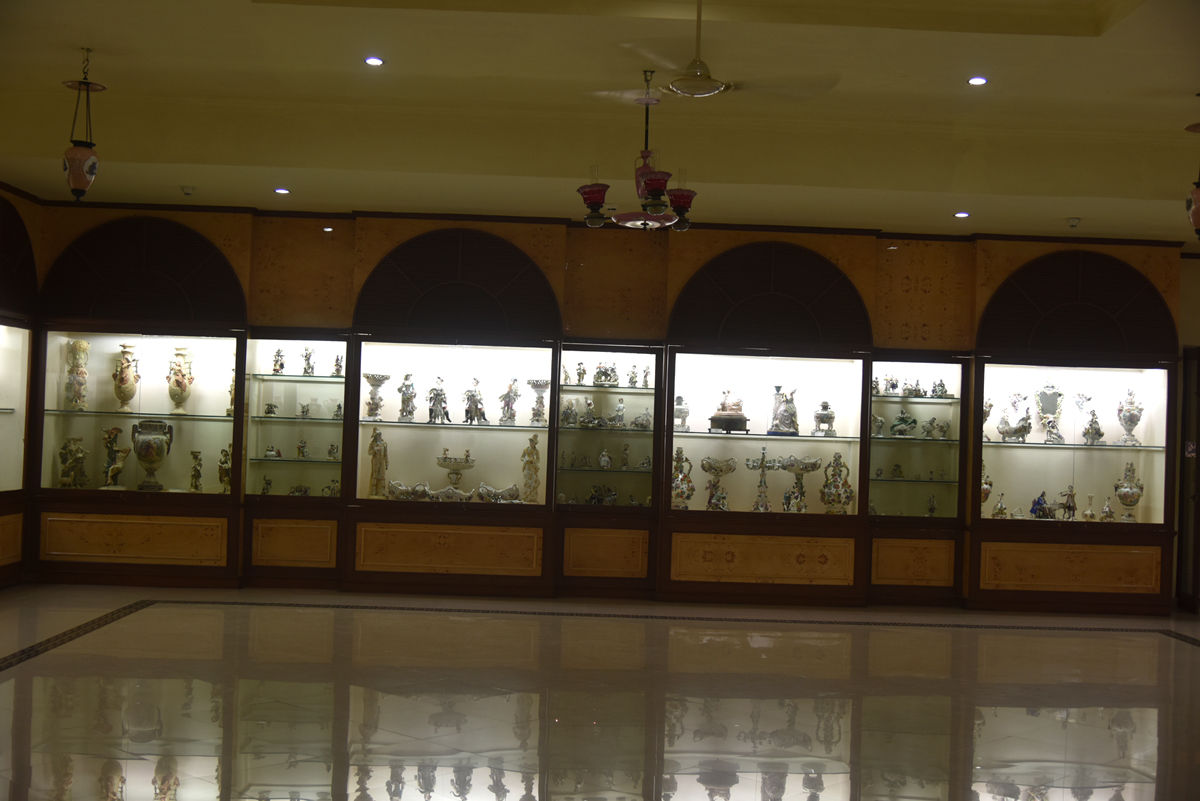
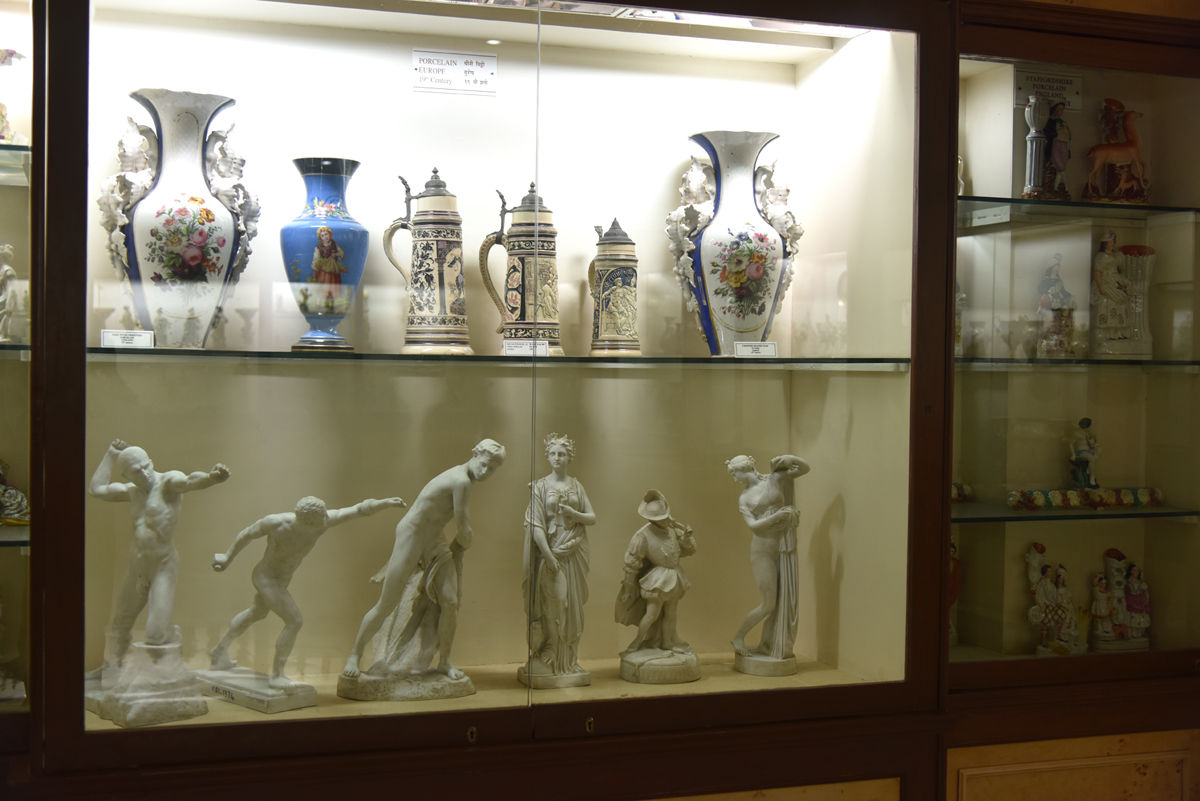
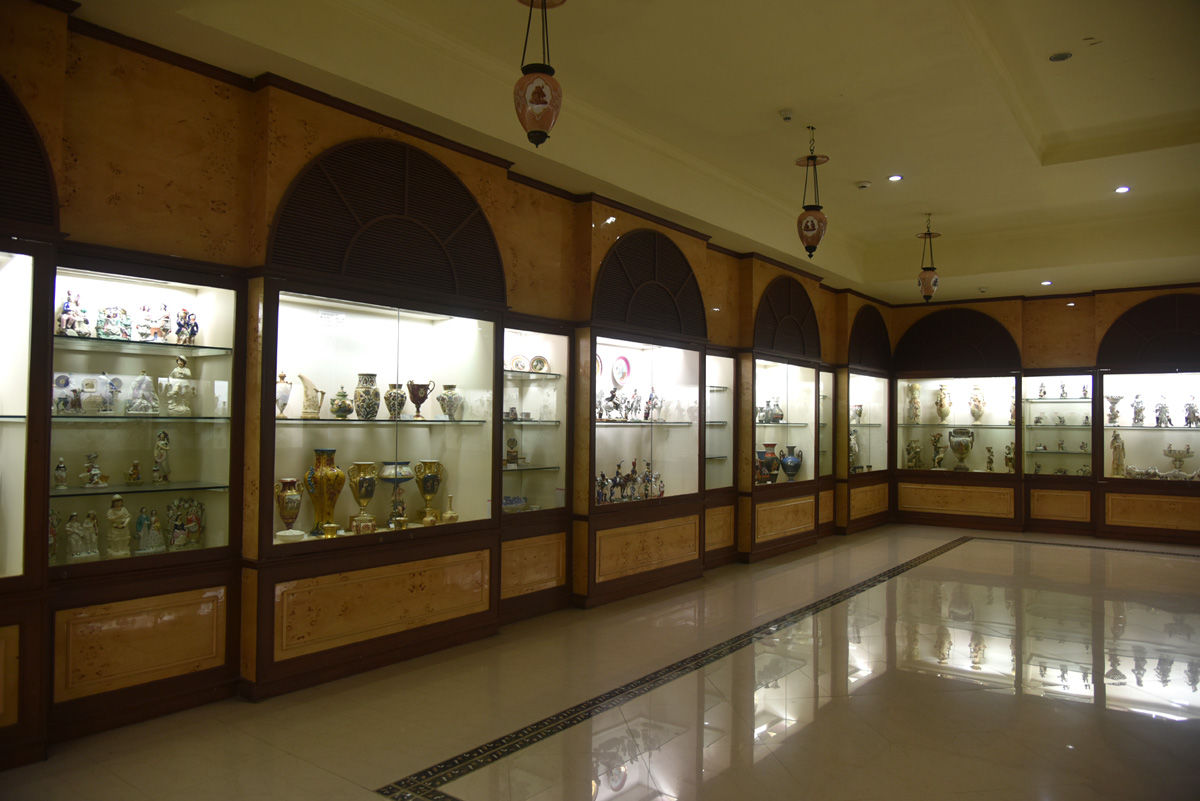
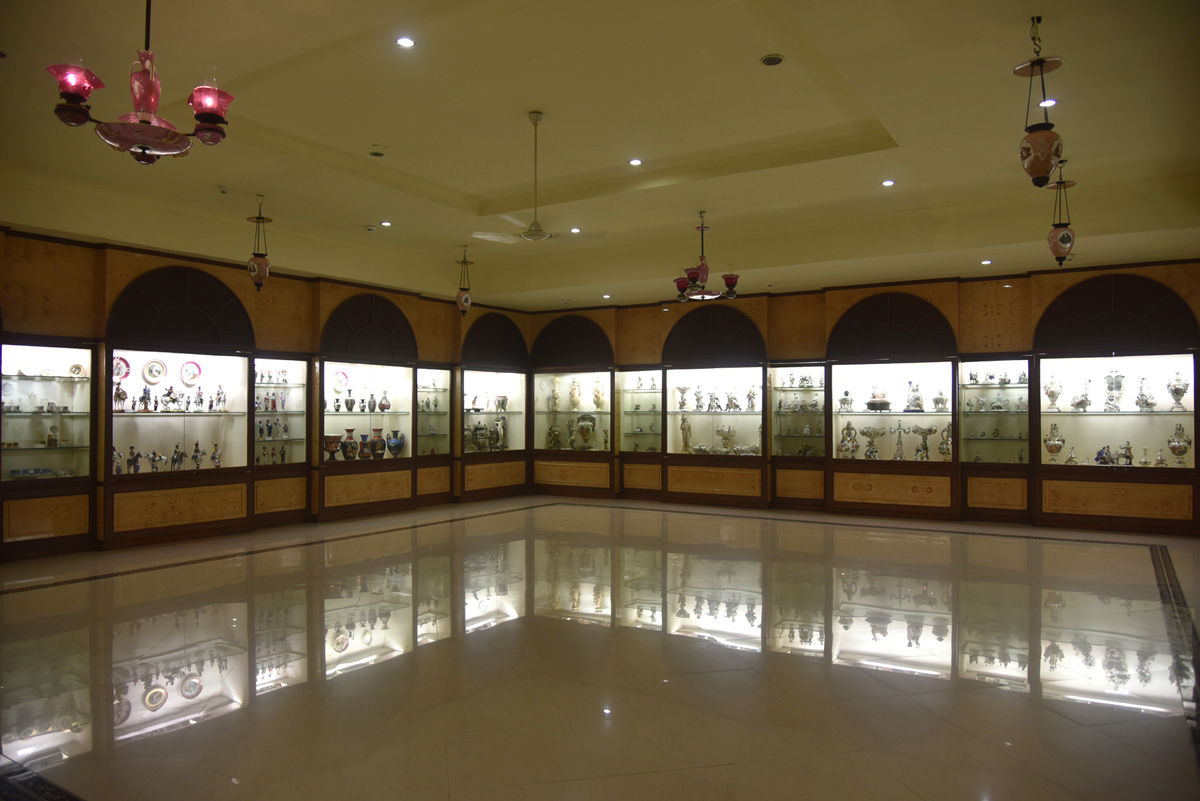
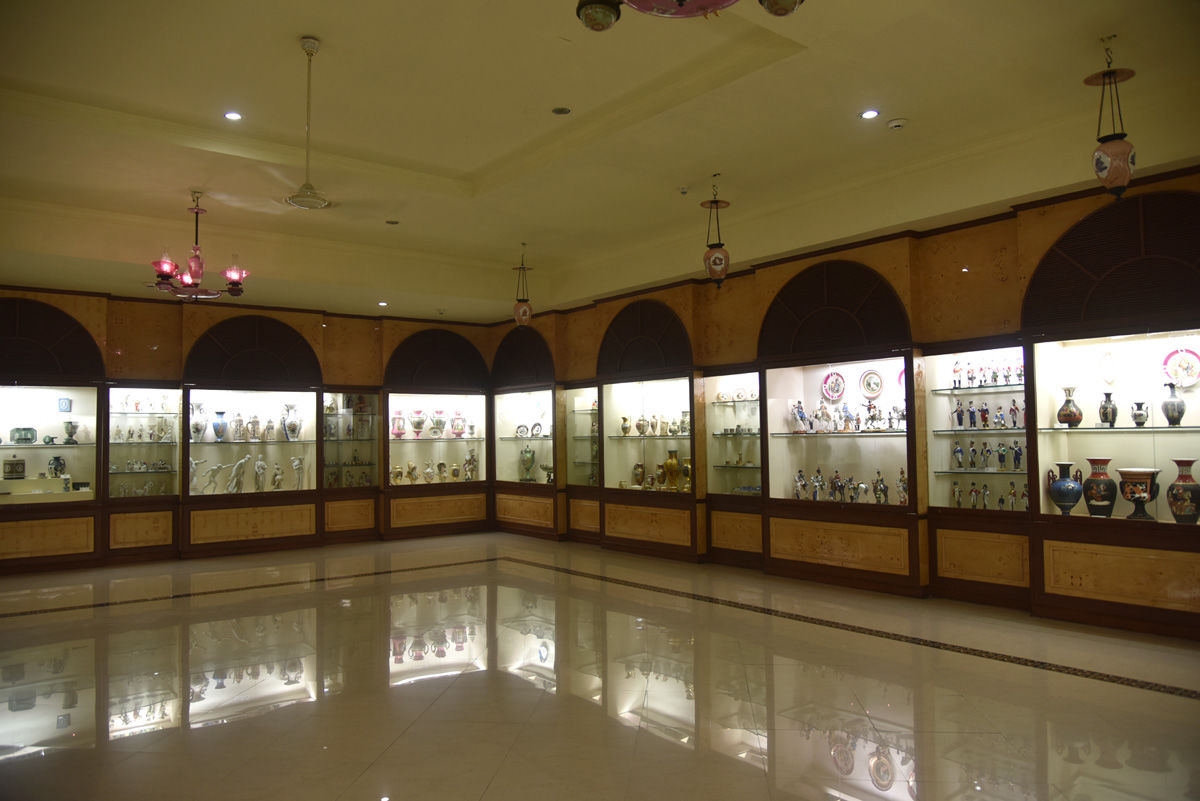
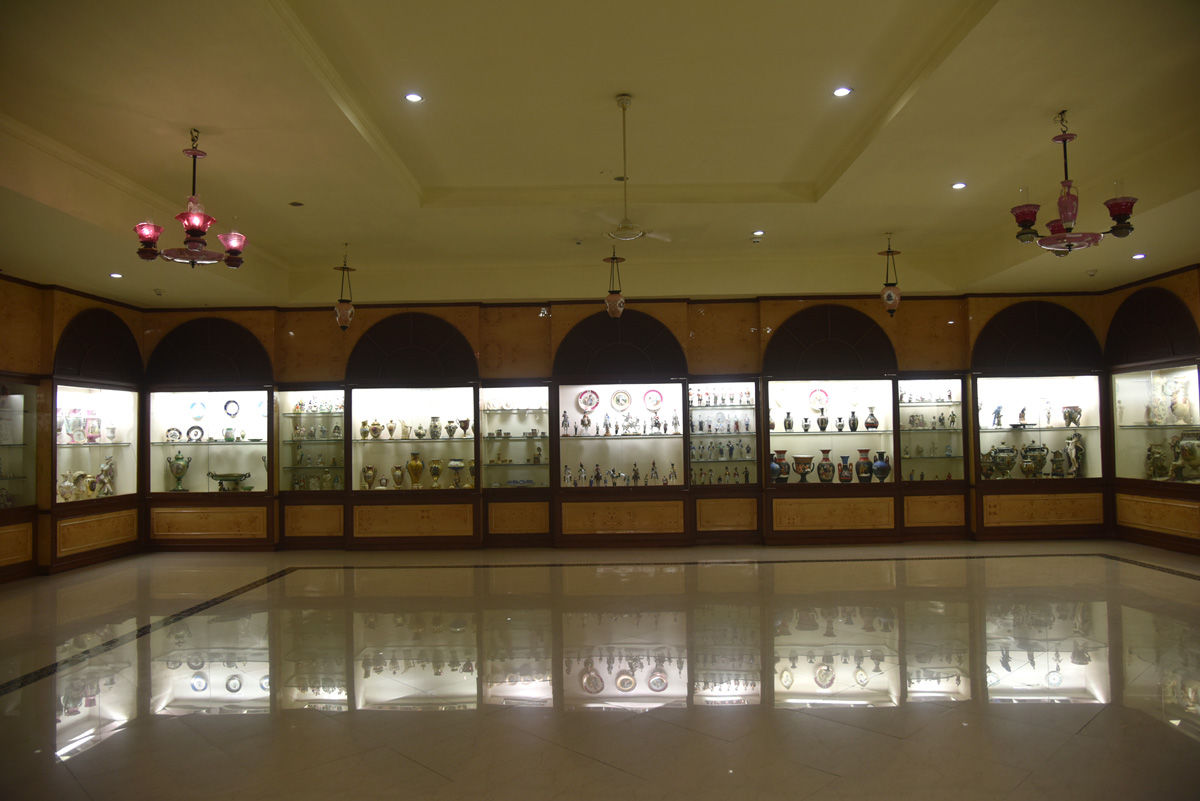
The museum’s porcelain collection originates from France, Germany, the United Kingdom, and Italy. The Sèvres porcelain collection from France and the Meissen (Dresden) porcelain collection from Germany occupy a prominent place within the museum’s holdings. (The factory was at Meissen, not Dresden.) Porcelain is broadly classified into two categories: hard-paste porcelain and soft-paste porcelain.
The Salar Jung Museum possesses an outstanding collection of painted Sèvres porcelain, renowned for its exceptional craftsmanship. Many pieces bear authentic factory marks. Serves porcelain had its beginning and development under the liberal patronage of Louis V, XV, XV and Napoleon, Madam De Pompadour, Marie Antoinette respectively displayed great interest in the production of beautiful painted porcelain pieces and many of them were presented to the contemporary Emperors and kings of Europe and Asia.
The museum houses a significant number of original Sèvres pieces dating from the reigns of Louis XV, Louis XVI, and Napoleon I. Many of these pieces bear the authentic interlaced double ‘L’ factory mark, often accompanied by date letters. Pieces from the Napoleonic period bear the factory mark ‘M. Imple de Sèvres’, dating from 1804 to 1808. The collection includes two Sèvres vases believed to have been presented by Louis XVI to Catherine II (Catherine the Great) of Russia. (Use “believed to have been” unless provenance is fully documented.)
The museum’s Meissen (Dresden) porcelain collection is second only to the Sèvres collection in significance. European porcelain production began at Meissen, near Dresden, under the patronage of Augustus II, King of Poland and Elector of Saxony. During the early eighteenth century, deposits of kaolin, the principal ingredient required for hard-paste porcelain, were discovered in Germany. This breakthrough enabled the successful production of European hard-paste porcelain under royal patronage.
The Salar Jung Museum possesses an exceptional collection of Meissen porcelain, identified through the factory marks impressed beneath each object. The museum’s English porcelain collection comprises a variety of wares produced primarily during the nineteenth century. Highlights of the collection include cups, saucers, plates, figurines, and other decorative objects.
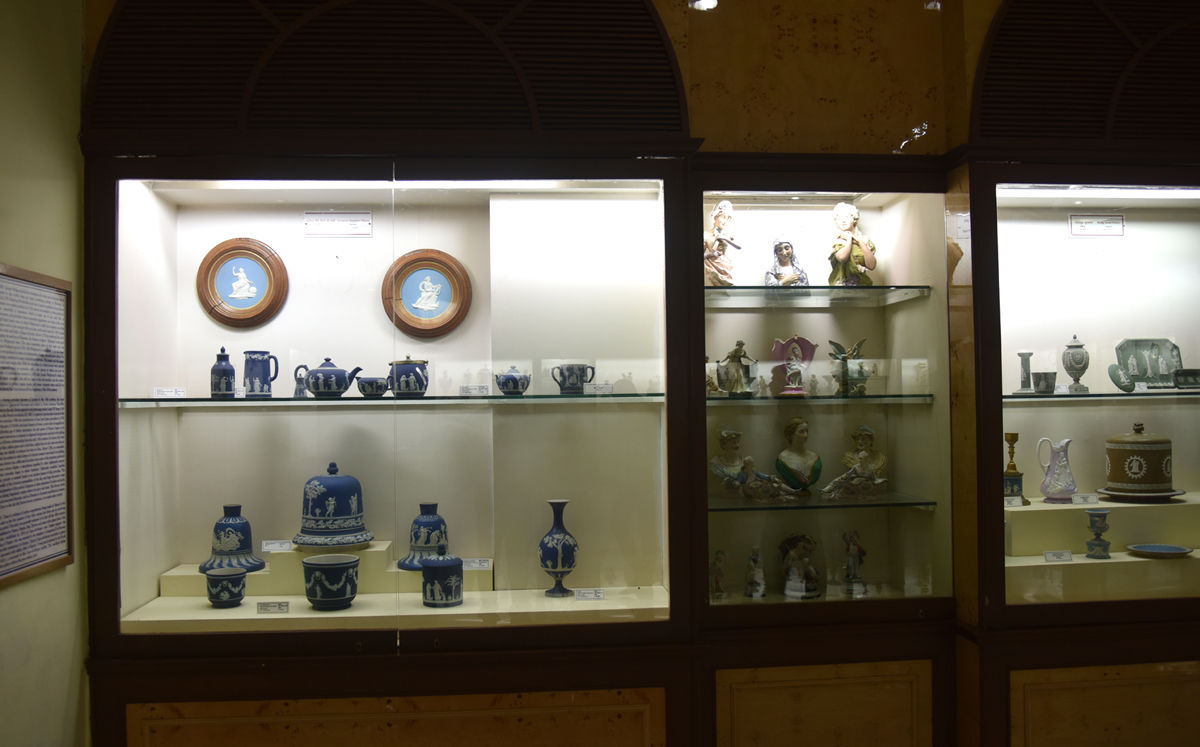
The museum’s Wedgwood collection is among its most distinguished holdings. Josiah Wedgwood established the Wedgwood pottery works in the eighteenth century at Burslem, Staffordshire, which went on to become one of the world’s most celebrated ceramic manufacturers. (The original incorrectly states the seventeenth century.) The Salar Jung Museum also houses a Wedgwood reproduction of the celebrated Portland Vase, one of the factory’s most iconic achievements.