A verse from the Holy Qur’an, inscribed on a Persian sword in the museum’s collection, reads: “We sent down iron, wherein is great strength and many benefits for mankind.” (The existing translation should be verified against the original Arabic text.) In Persia, the term Faulad-e-Hind became synonymous with exceptional strength and superior quality. Indian steel was highly esteemed and widely valued throughout the world for its exceptional quality. The celebrated Damascus blades, renowned for their strength and sharpness, were often forged using high-quality Indian wootz steel. (This statement should be historically qualified.)
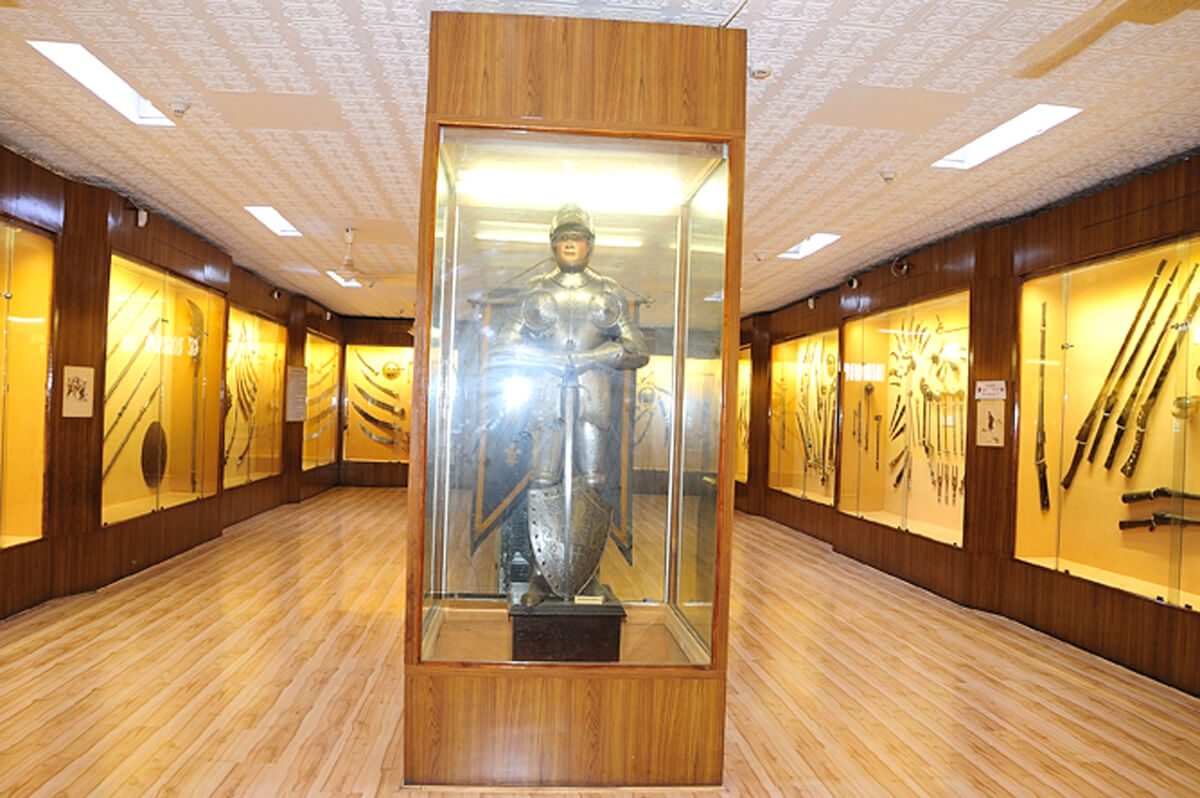
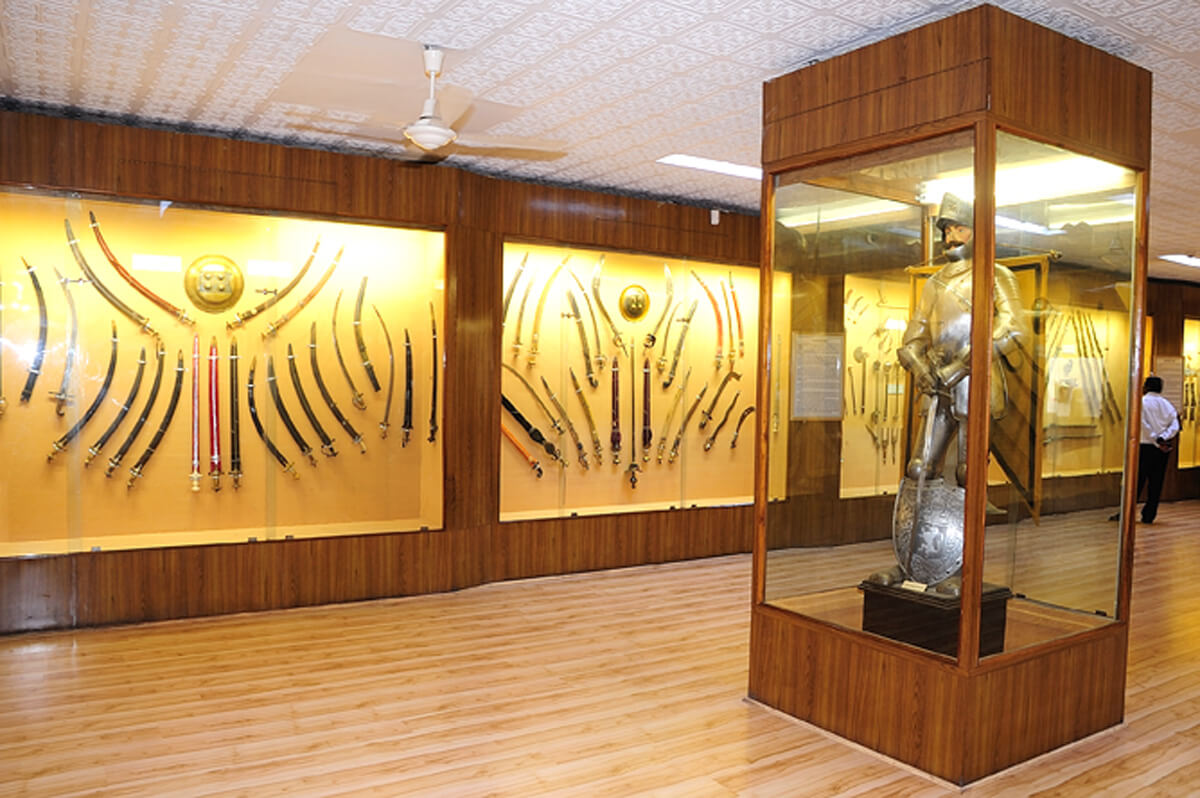
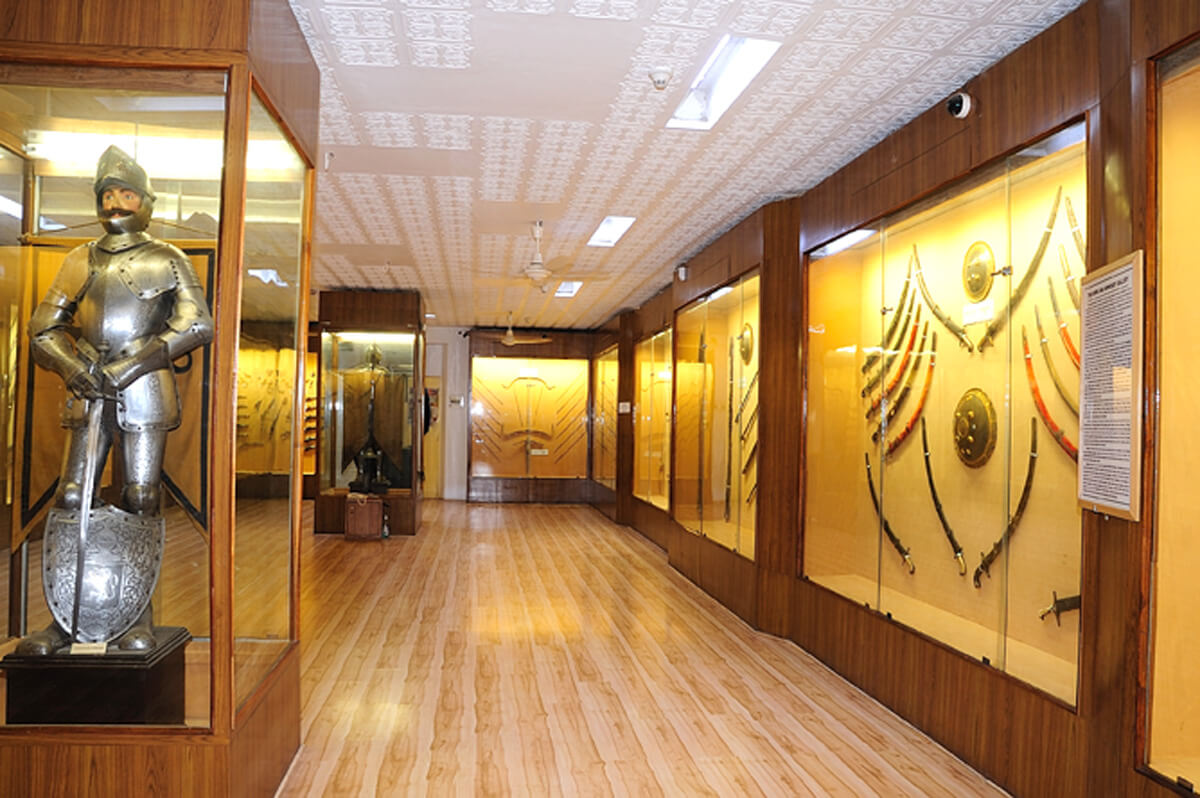
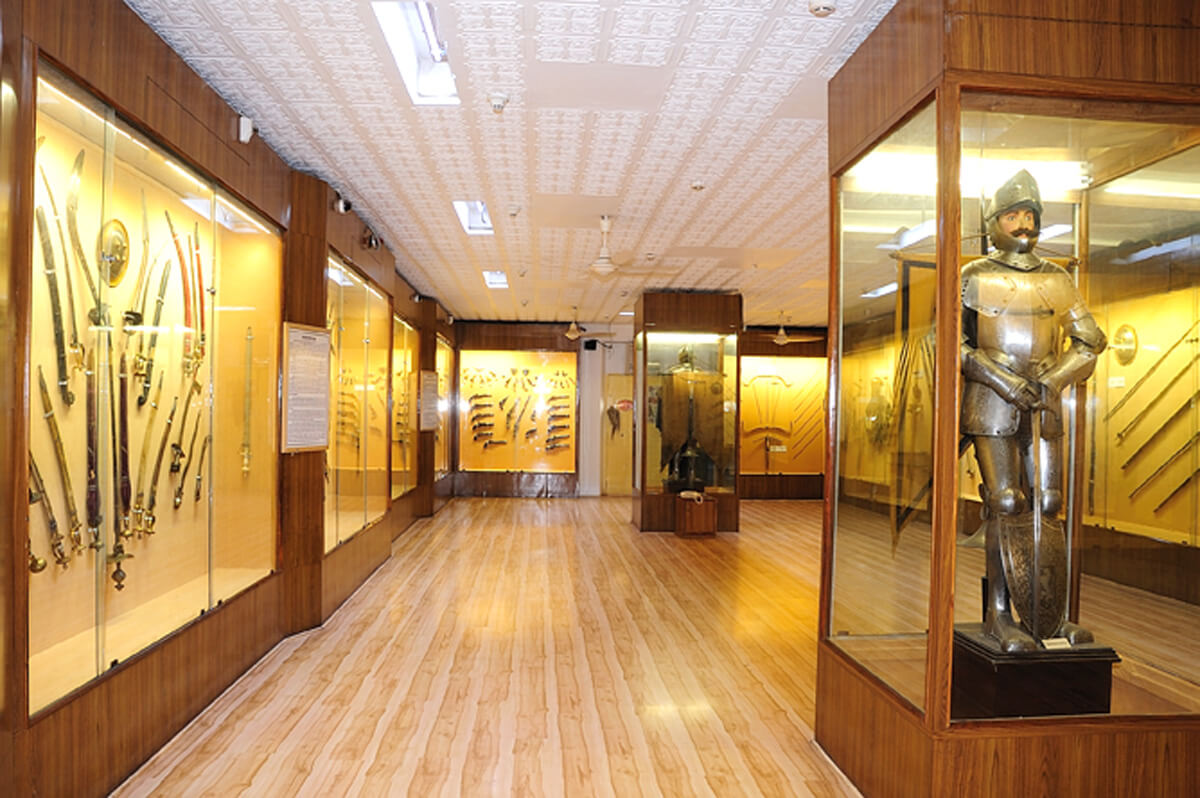
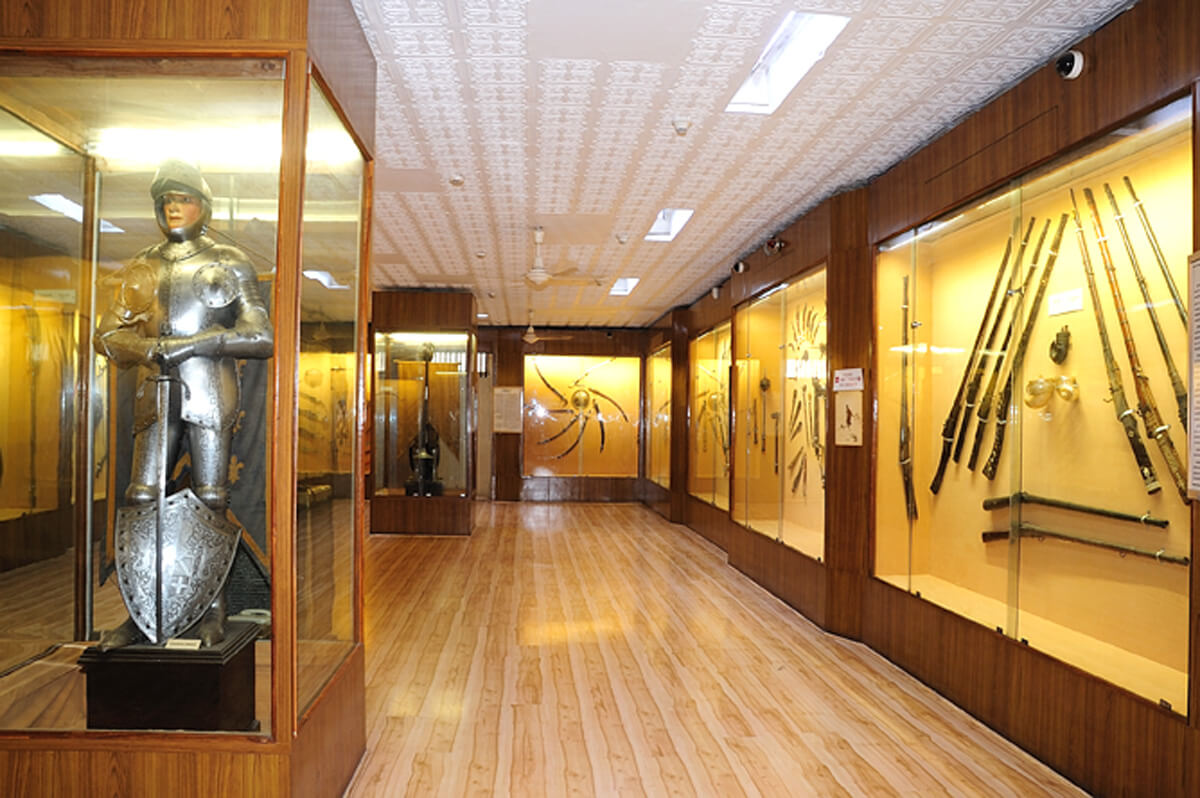
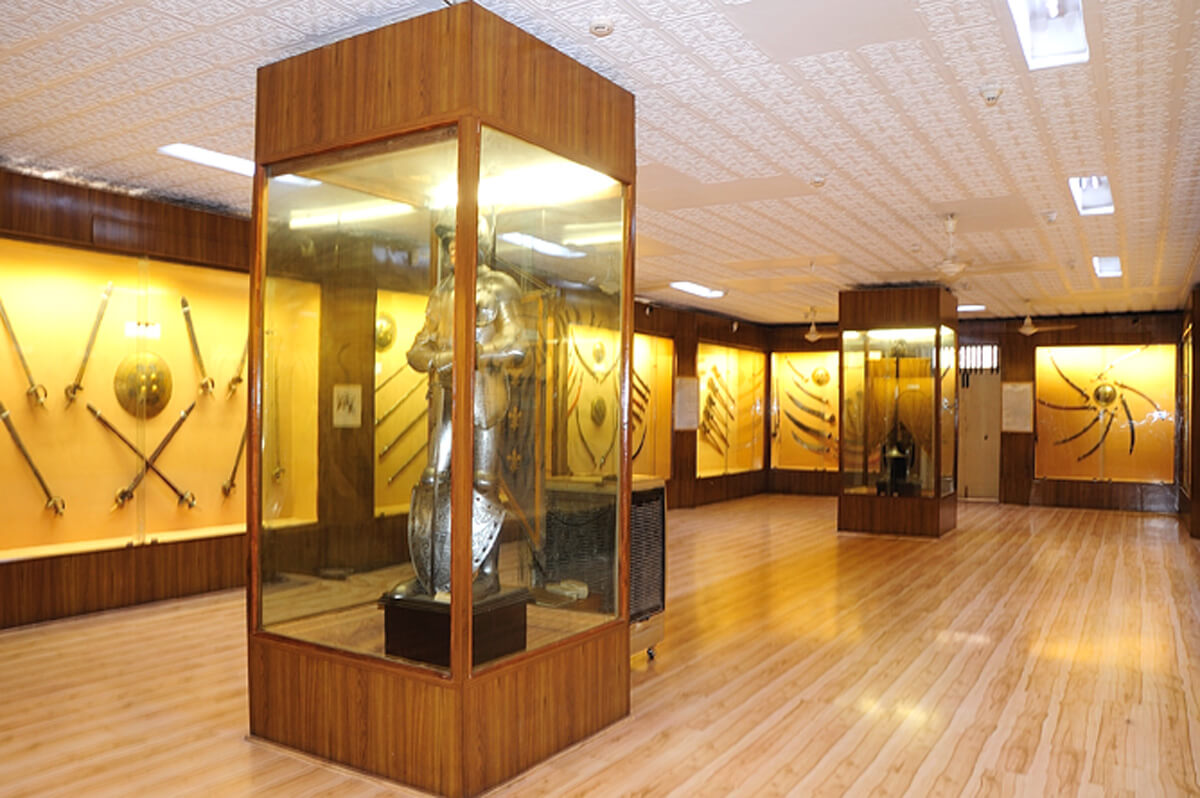
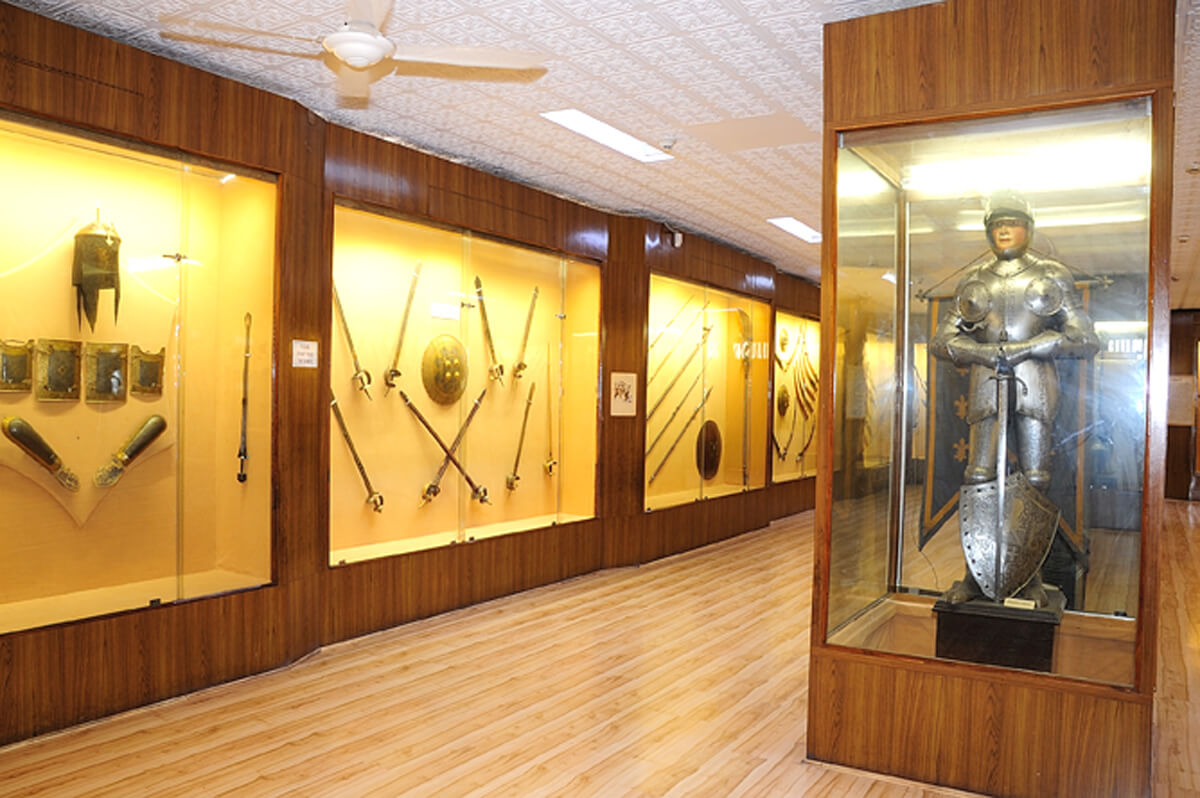
The Arms and Armour Gallery at the Salar Jung Museum houses one of India’s finest collections of historic arms, armour, and firearms. According to the museum’s records, the collection comprises more than 1,200 objects. These include 196 historical firearms, comprising matchlock guns, flintlock guns, muzzle-loading firearms, duelling pistols, and revolvers. The remaining collection includes swords, daggers, shields, breastplates, helmets, and suits of armour. The collection spans the period from the 16th to the early 20th century.
In addition to arms from different regions of India, the Museum also preserves significant collections from Iran, Türkiye, France, Spain, Nepal, England, Myanmar (Burma), and Japan. (Consider retaining “Turkey” and “Burma” if historical naming is preferred.)
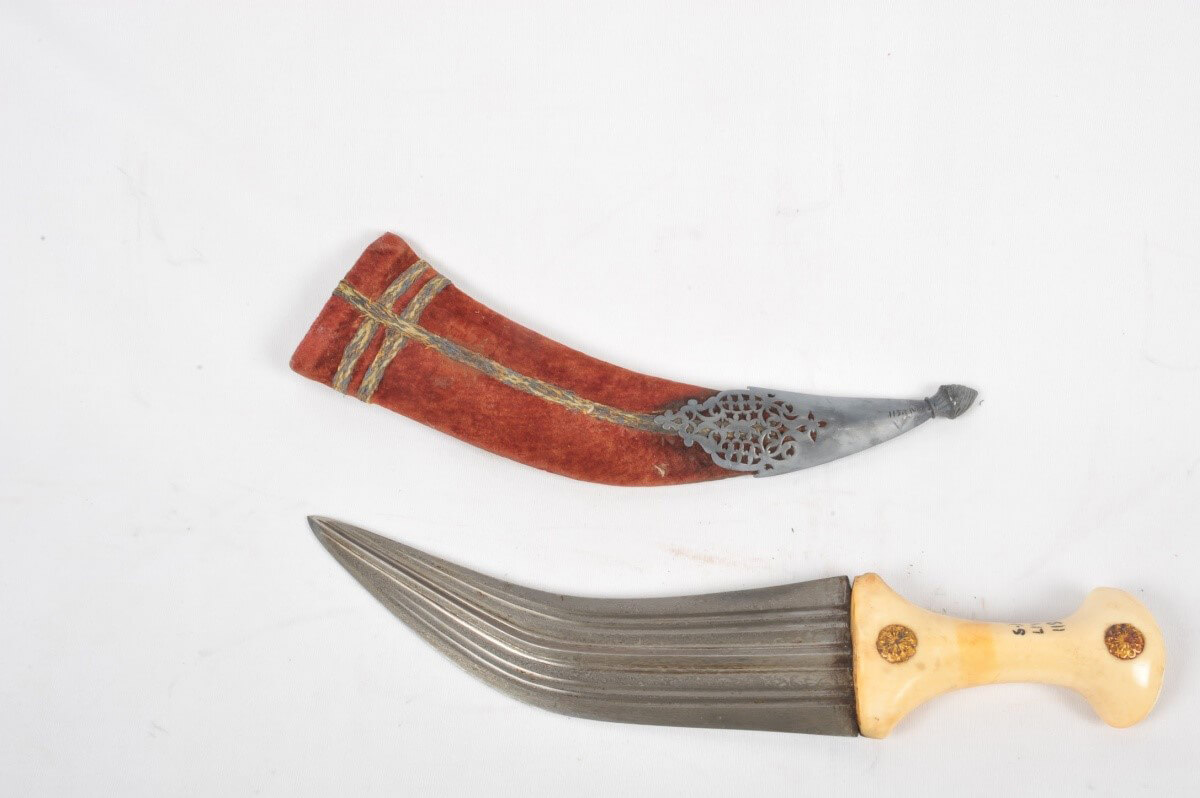
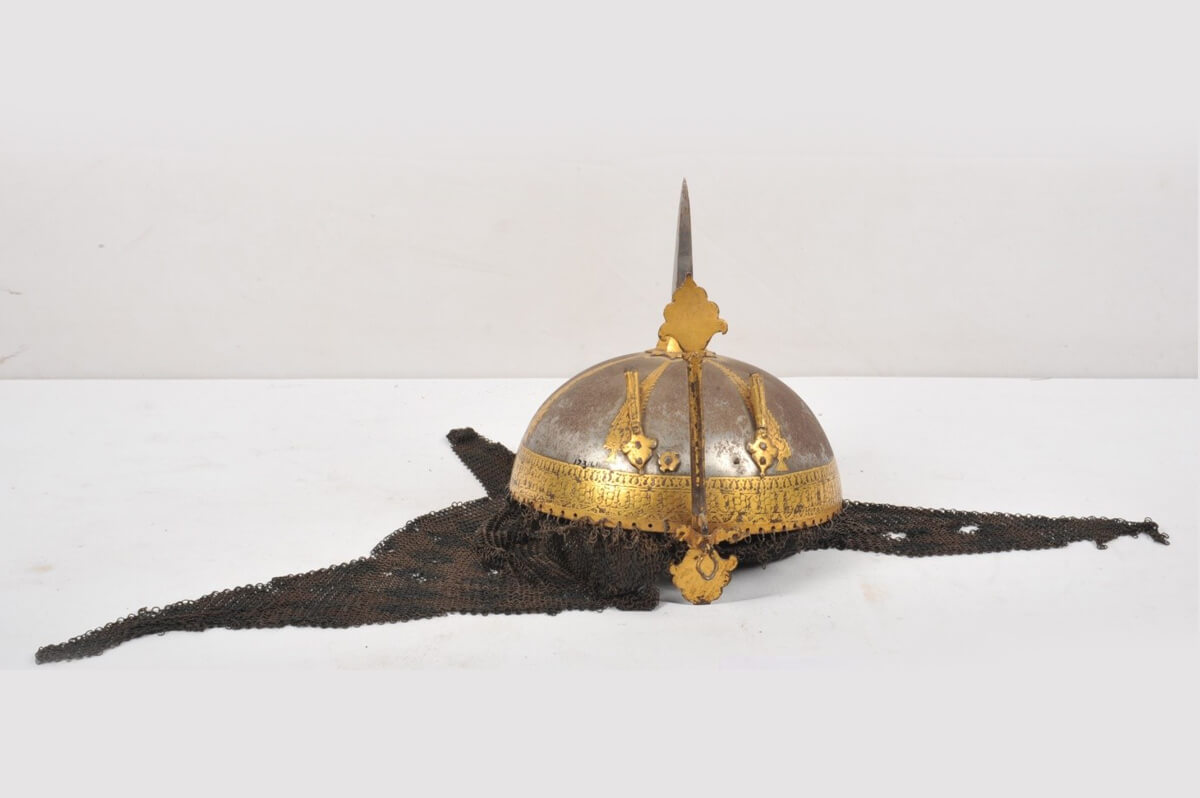
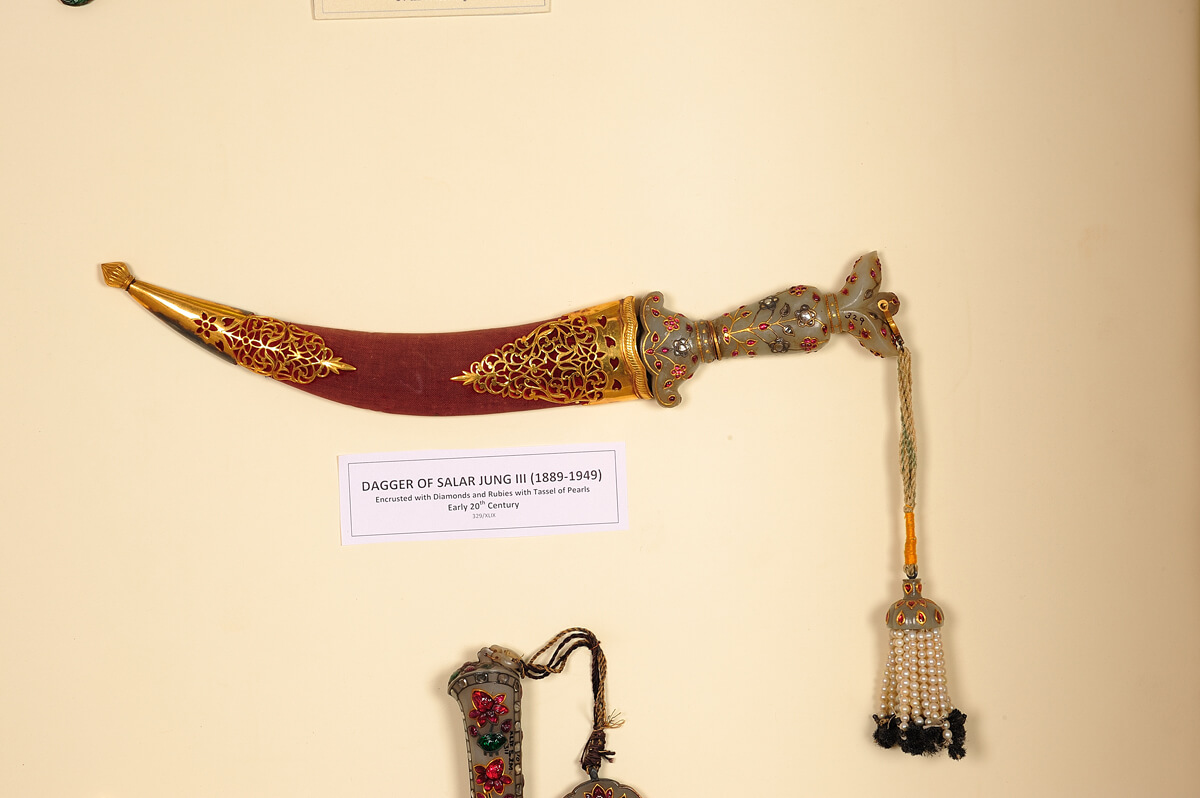
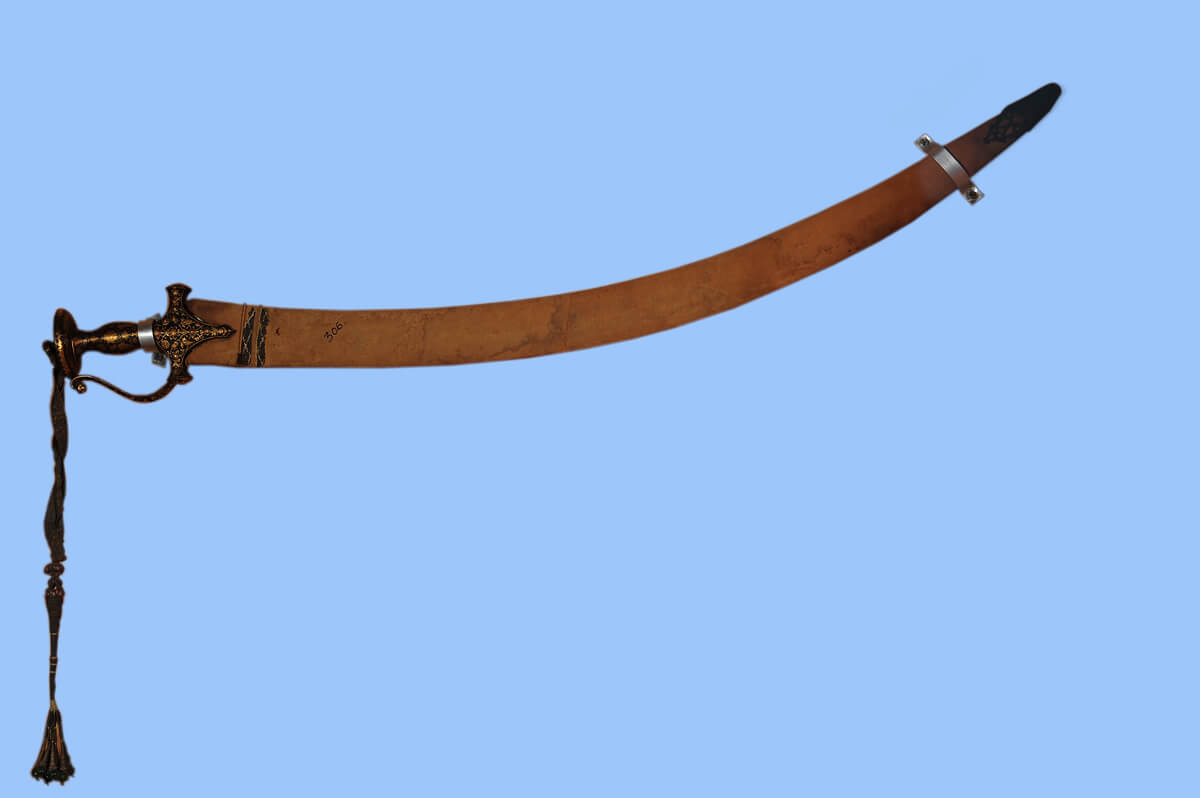
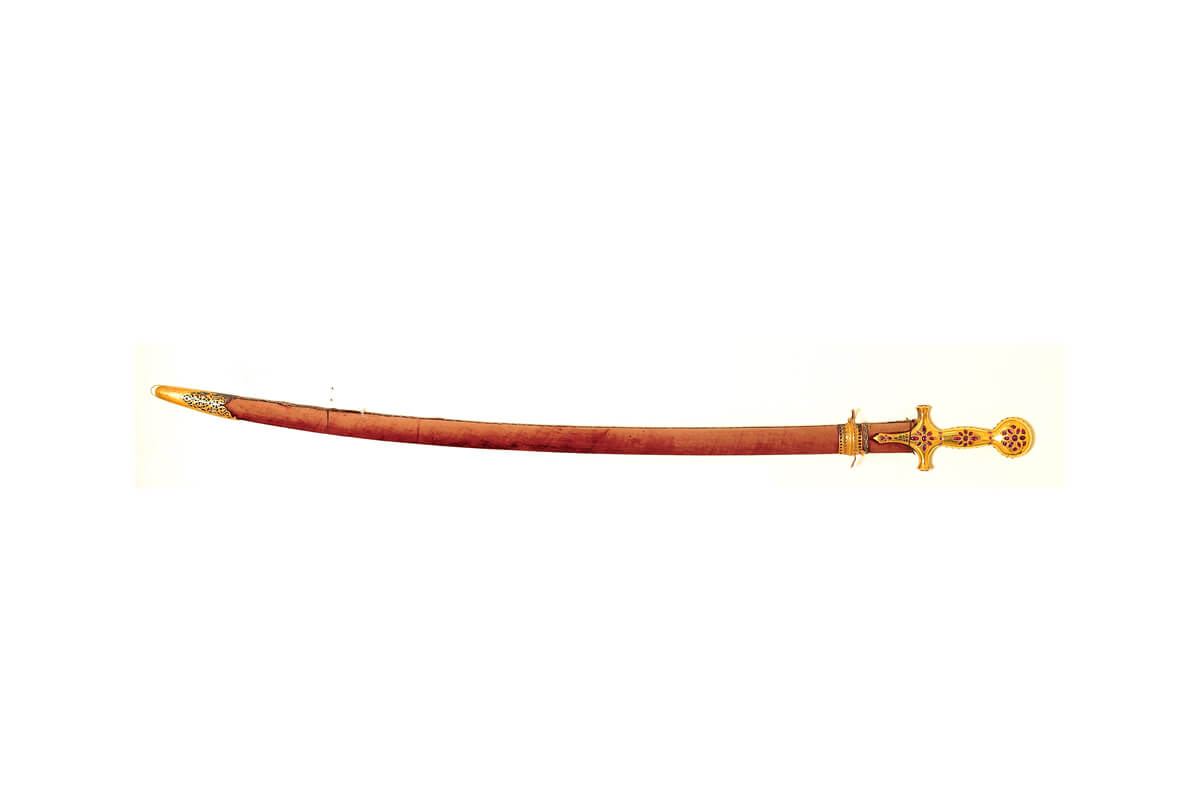
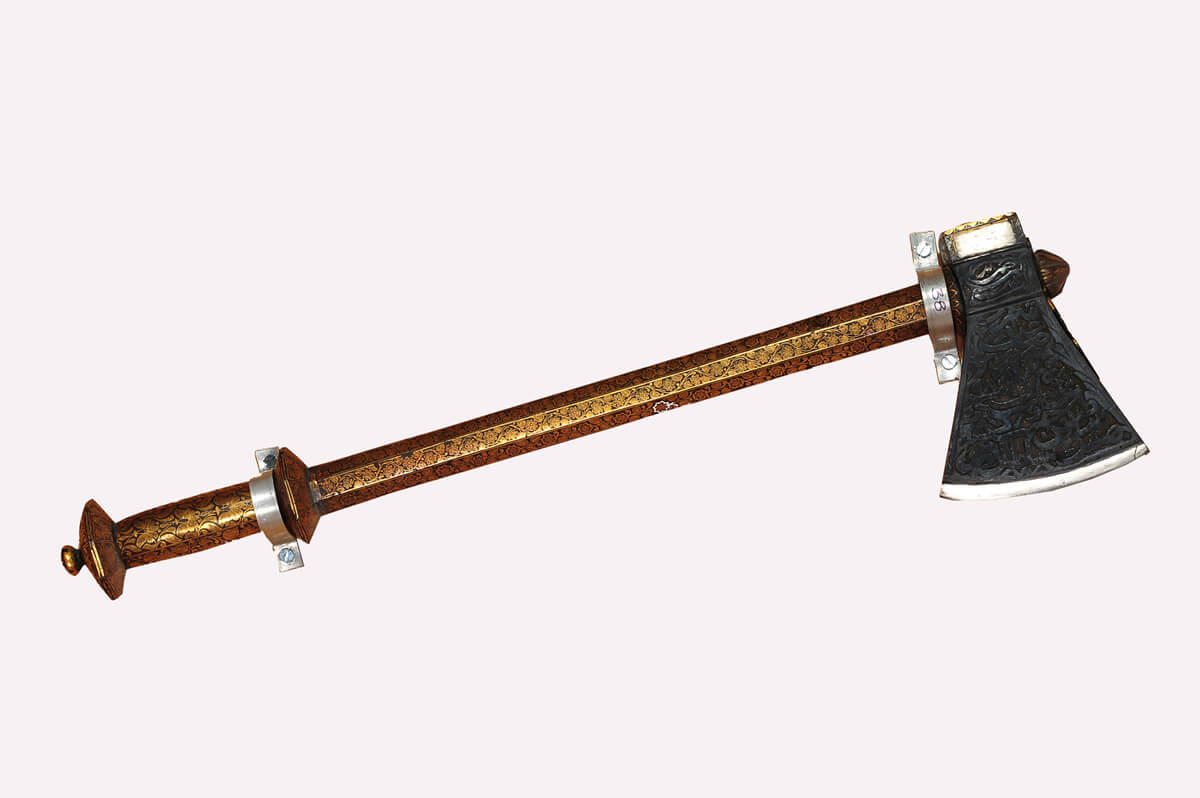
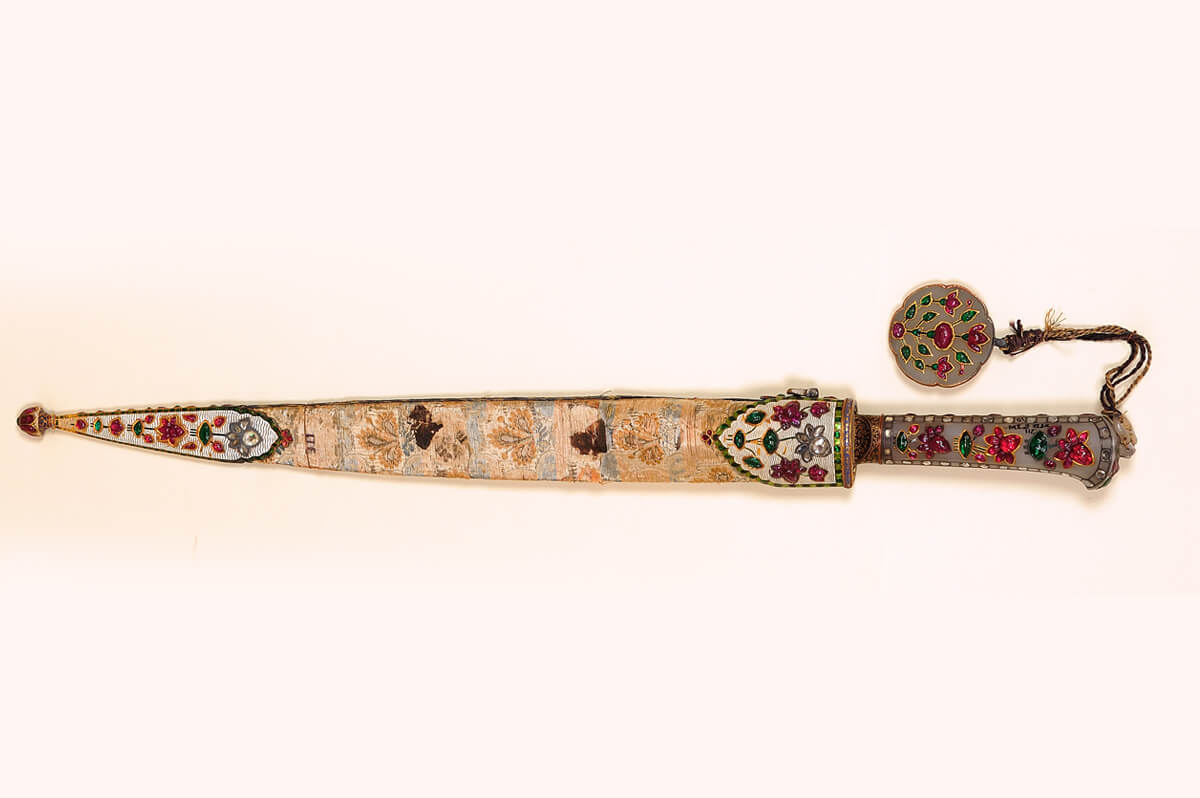
Swords, daggers, tabars (battle axes), and helmets made of Damascus steel, many bearing the marks or signatures of renowned Persian and Turkish swordsmiths, form one of the highlights of the collection. The collection includes works by several celebrated Persian swordsmiths and cutlers, whose workshops produced custom-made weapons bearing their distinctive maker’s marks.
India imported high-quality blades from several parts of Europe. These blades were distinguished by their fine finish, silvery-white polish, and makers’ marks or inscriptions in Roman script. These imported blades were often fitted with Indian hilts to produce swords known as Firangi swords. A 17th -century Firangi sword bearing the inscription “Espadeiro del Rei” is one of the notable examples in the collection.
The collection includes representative examples of Nepalese Dha swords, Burmese Dha swords, and Japanese Samurai swords. Their beautifully carved ivory scabbards demonstrate exceptional craftsmanship. (The word “seaboards” is incorrect and should be “scabbards”.)
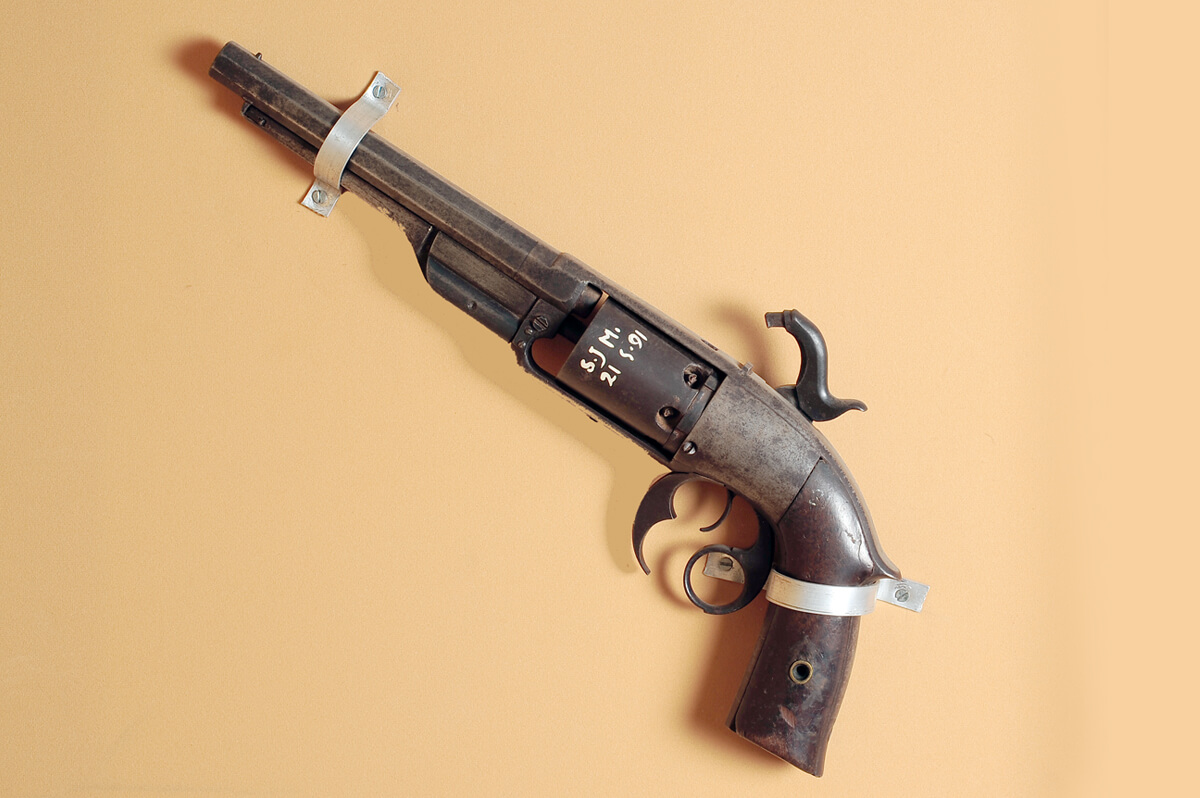
The Museum also possesses an important collection of firearms, including matchlock guns, flintlock guns, and pistols. A revolver bearing the name of Tipu Sultan is among the museum’s prized possessions. The collection includes weapons associated with notable historical figures, including Jahangir, Shah Jahan, Aurangzeb, and Muhammad Shah. (The identification of these objects should be verified.)