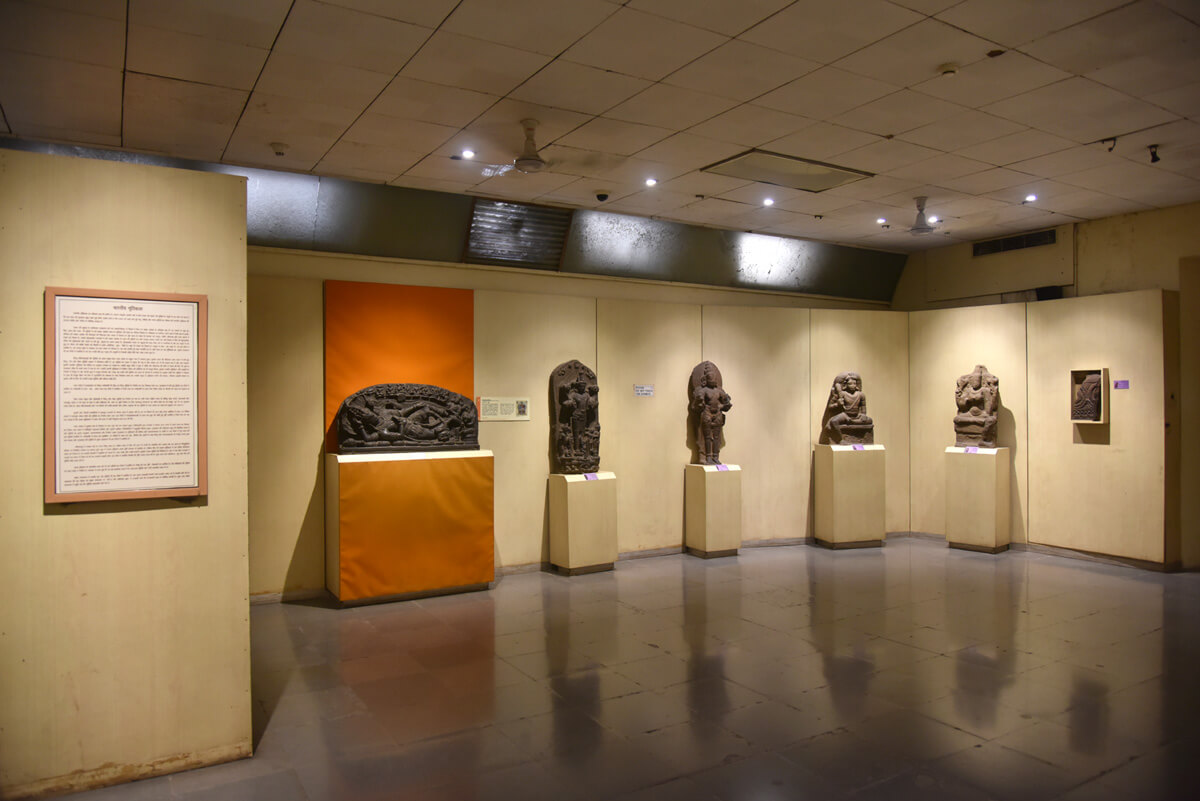
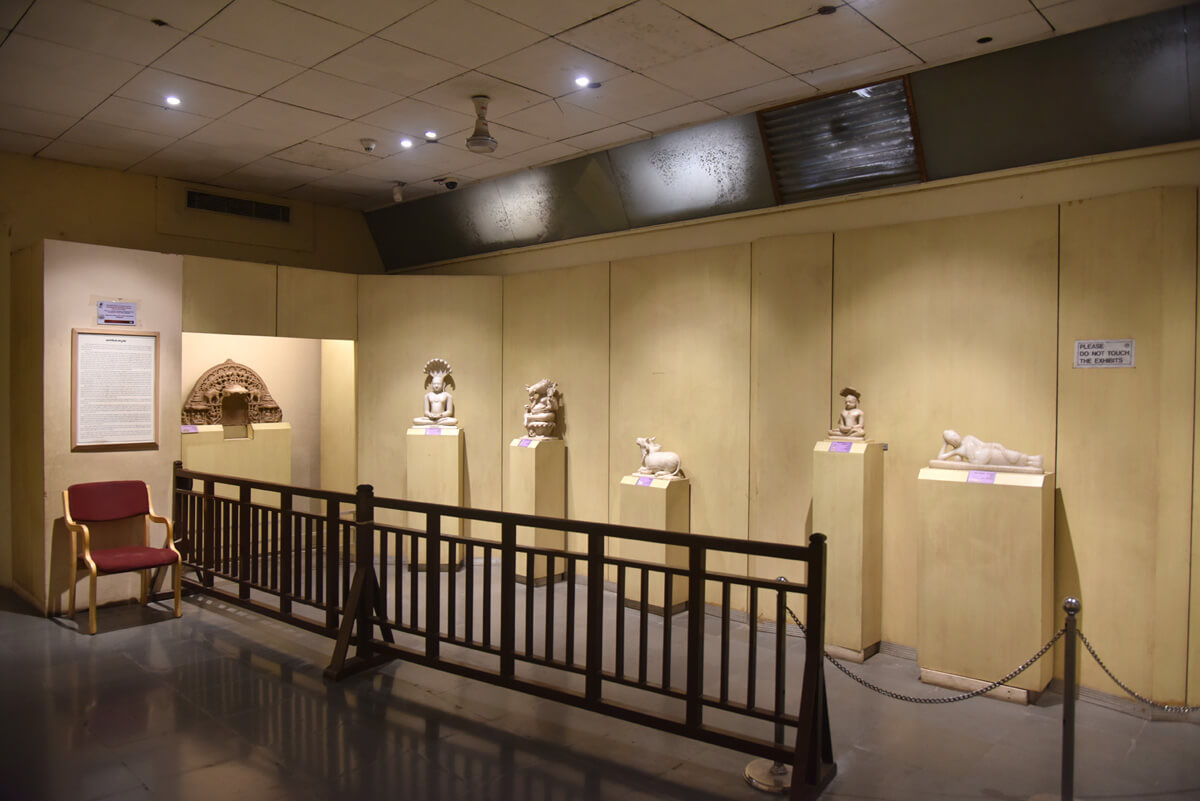
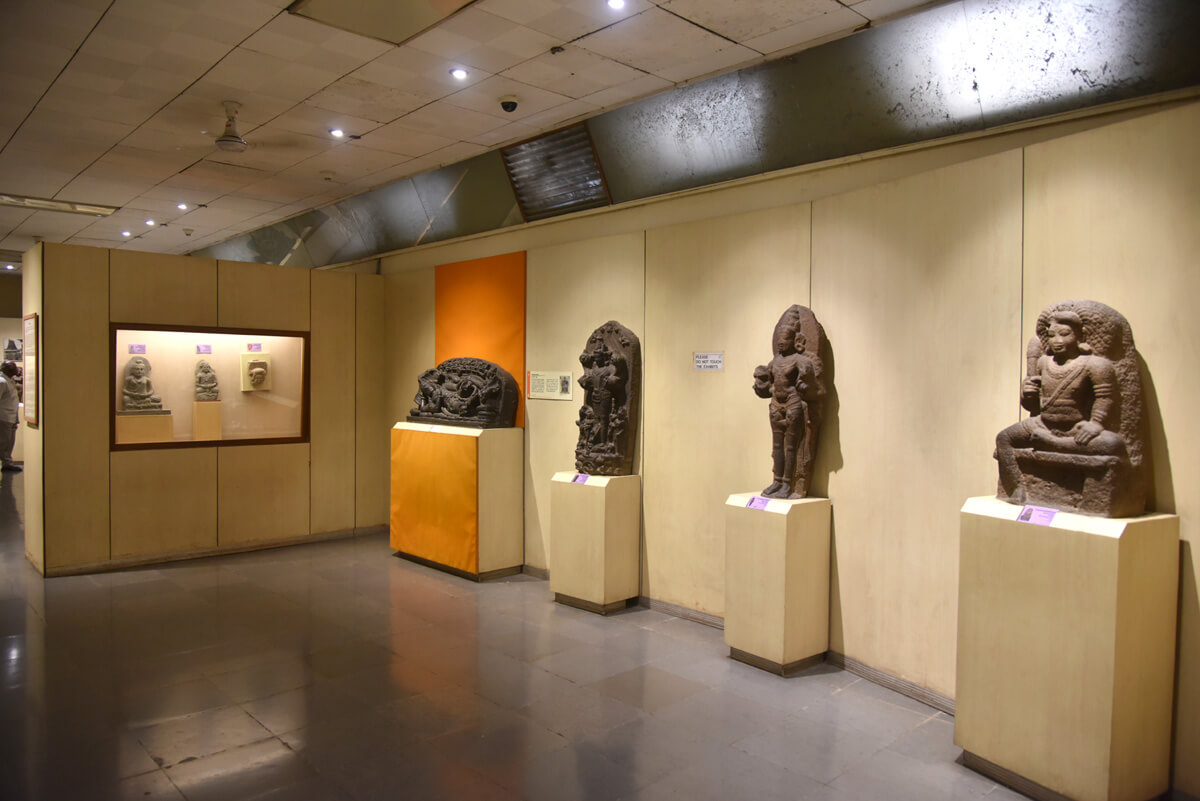
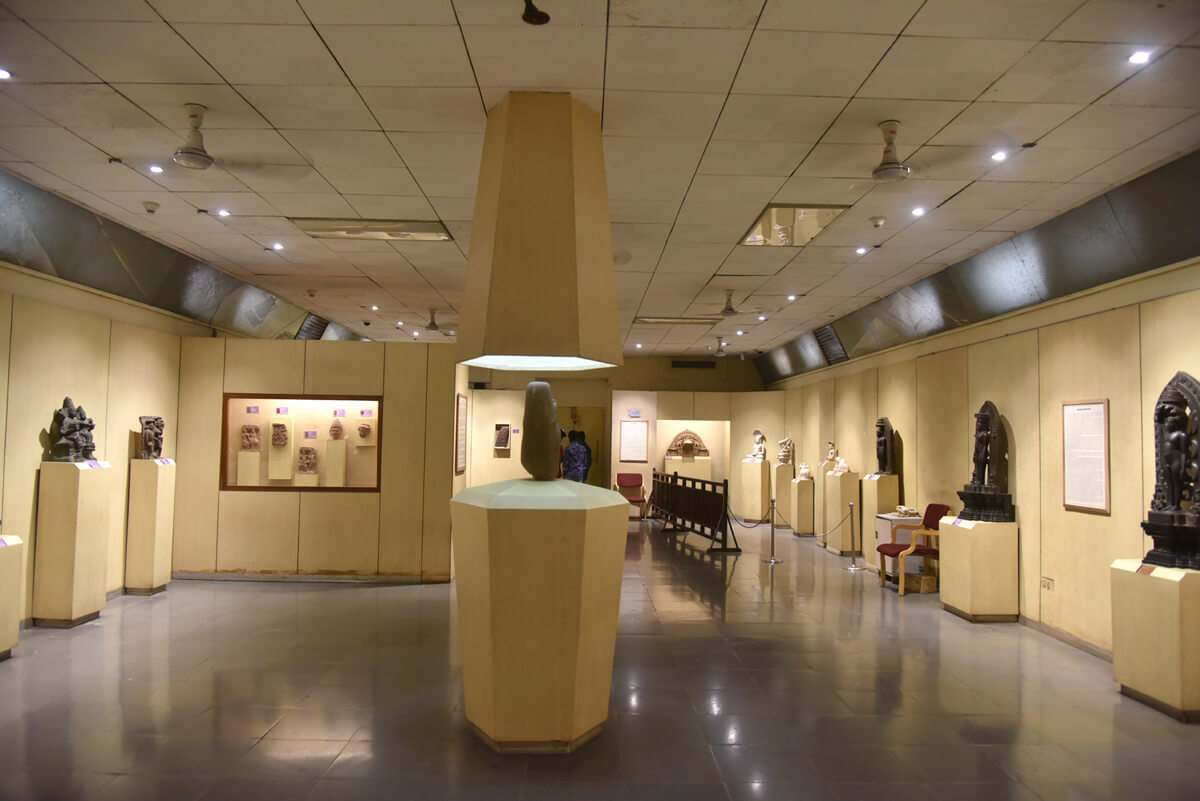
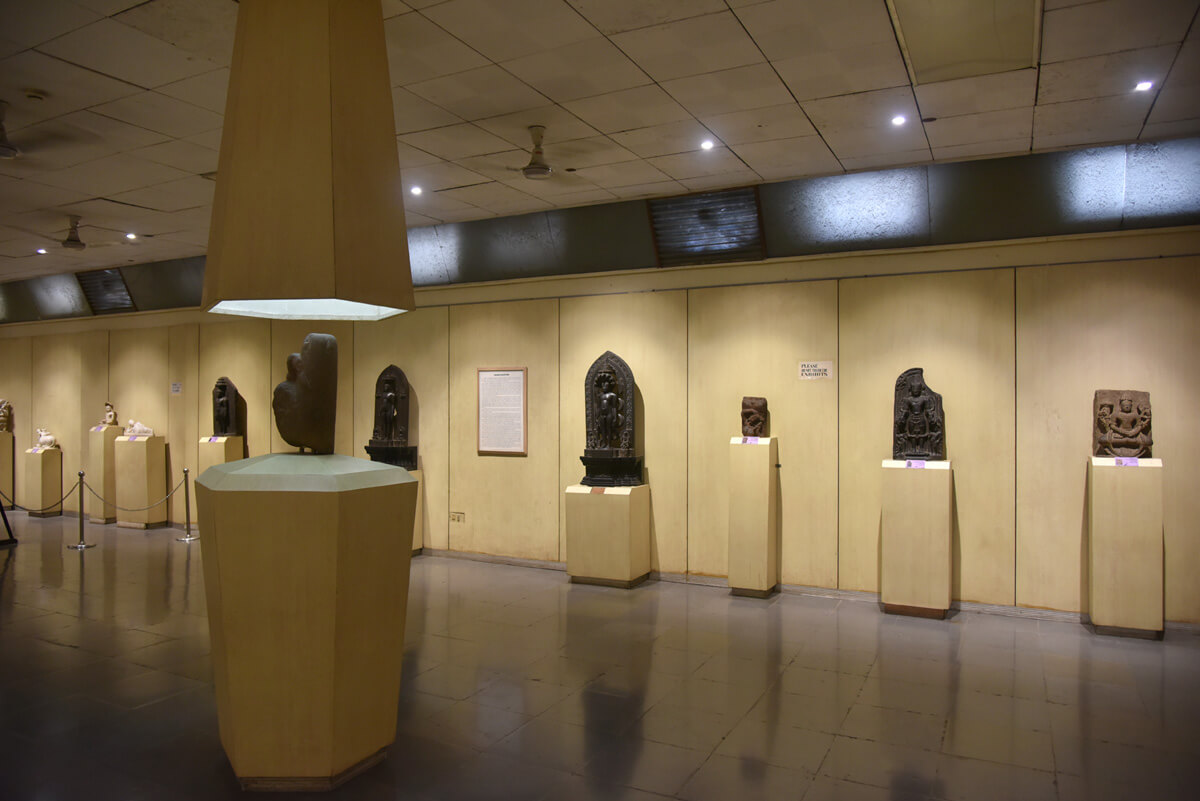
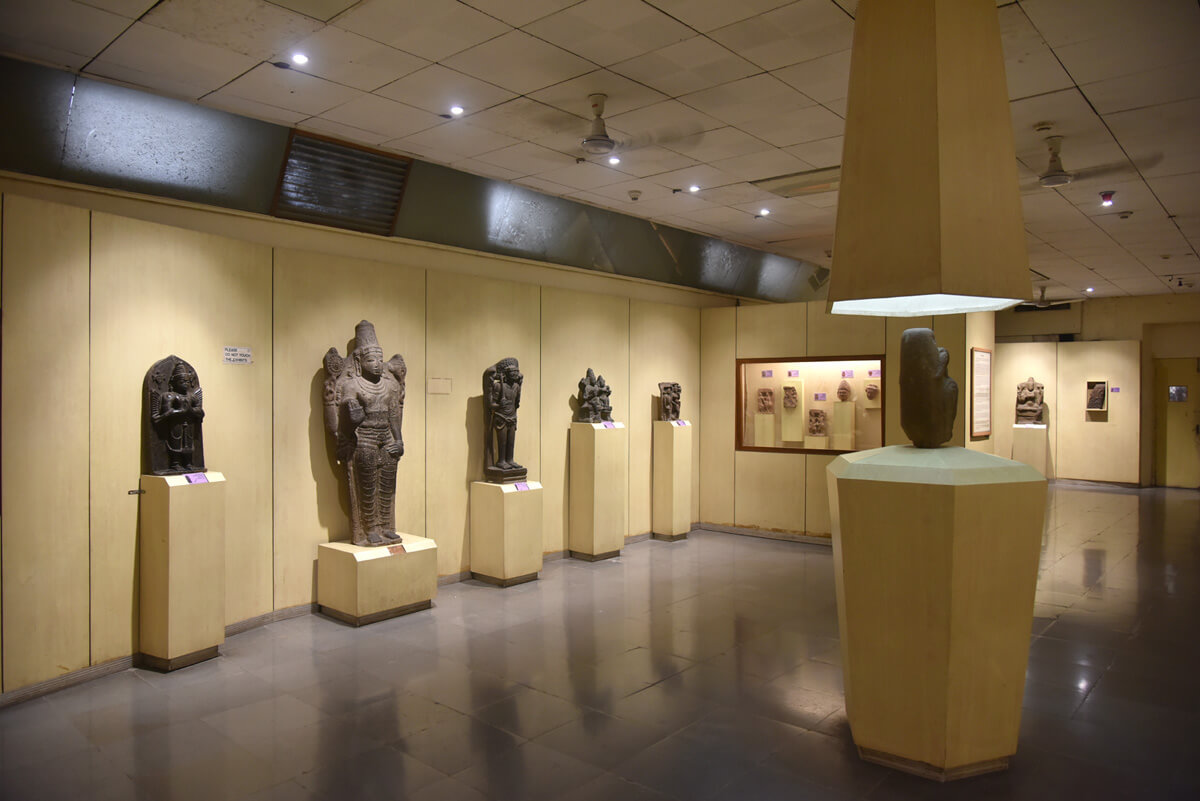
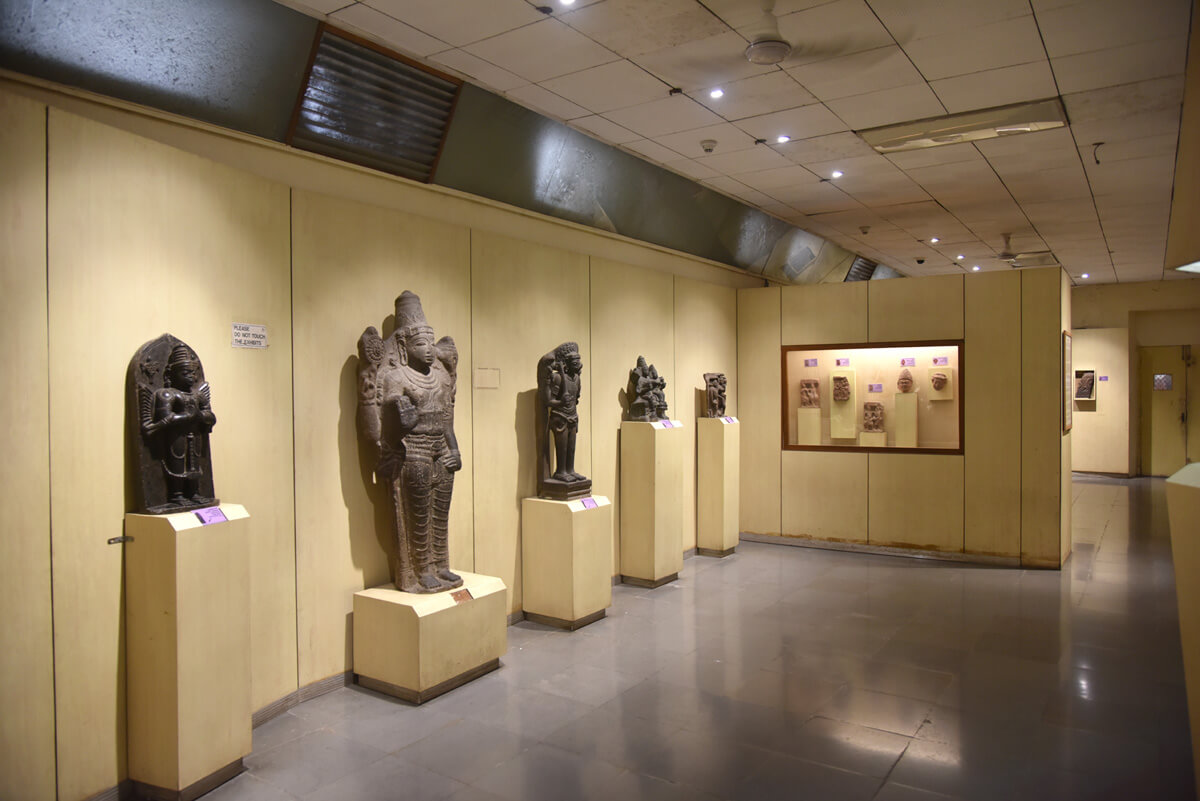
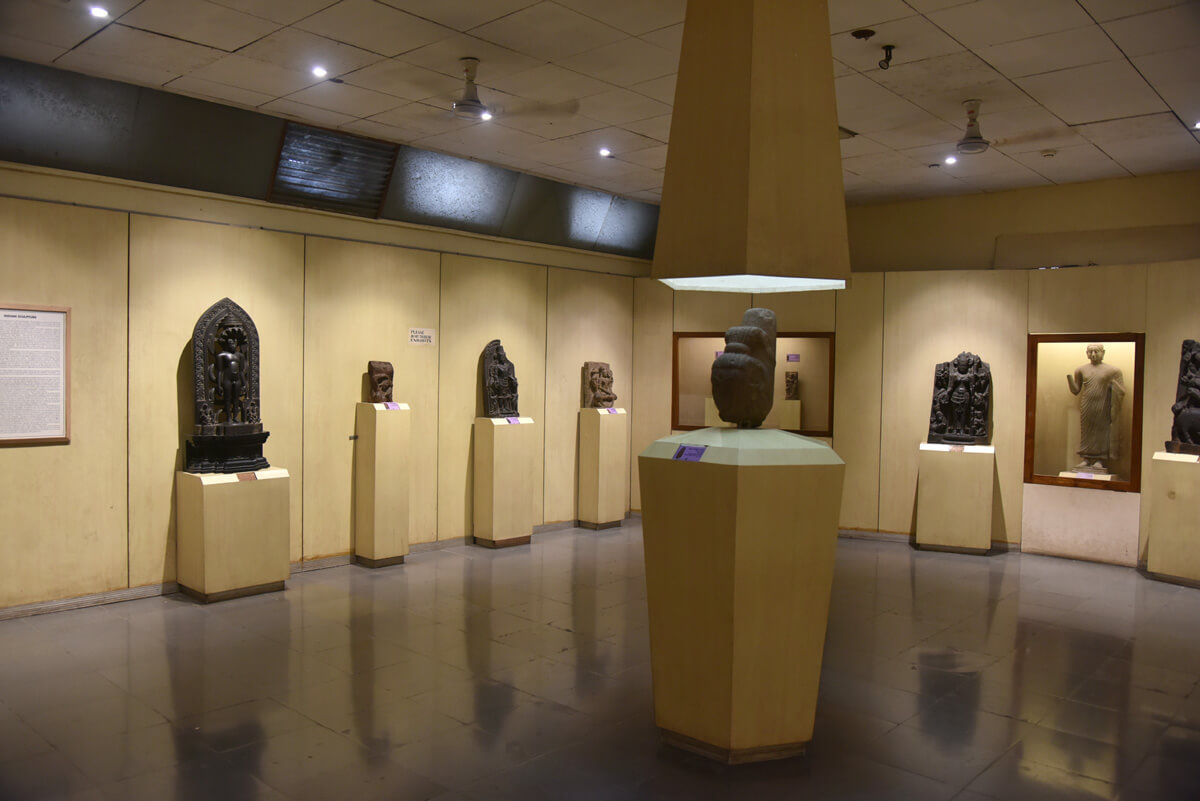
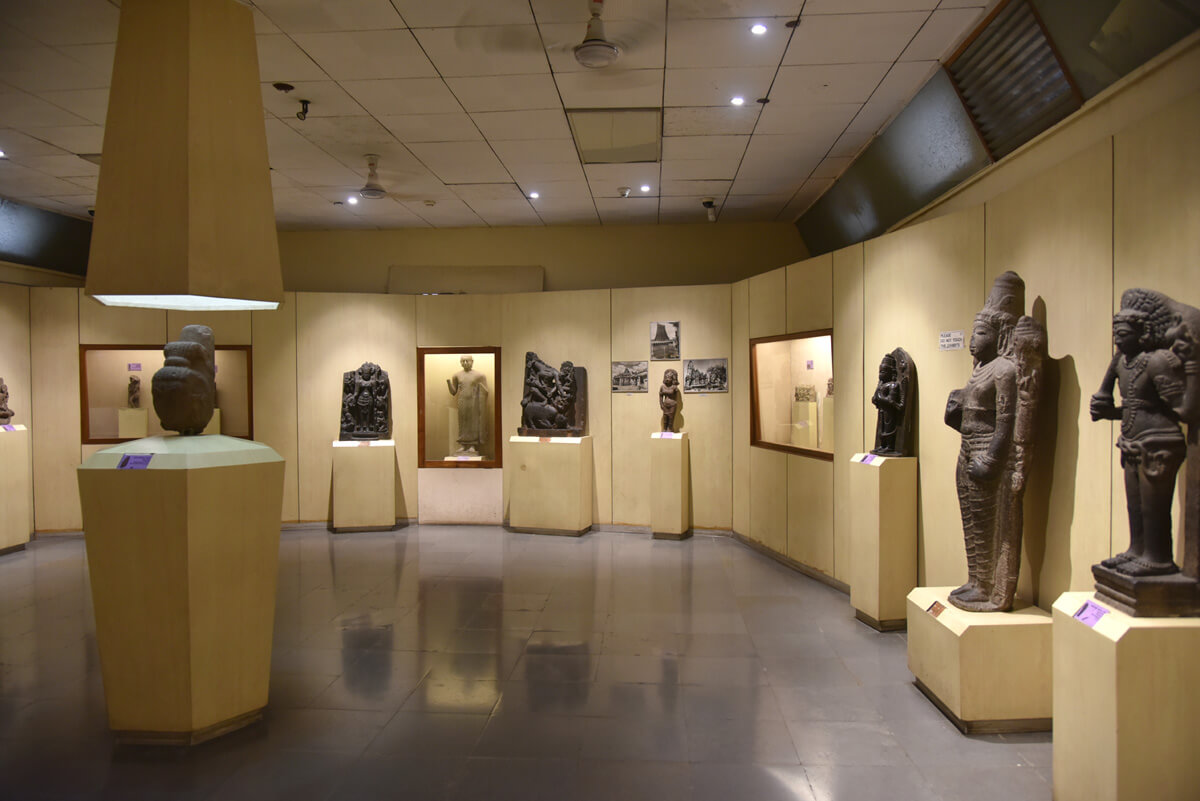
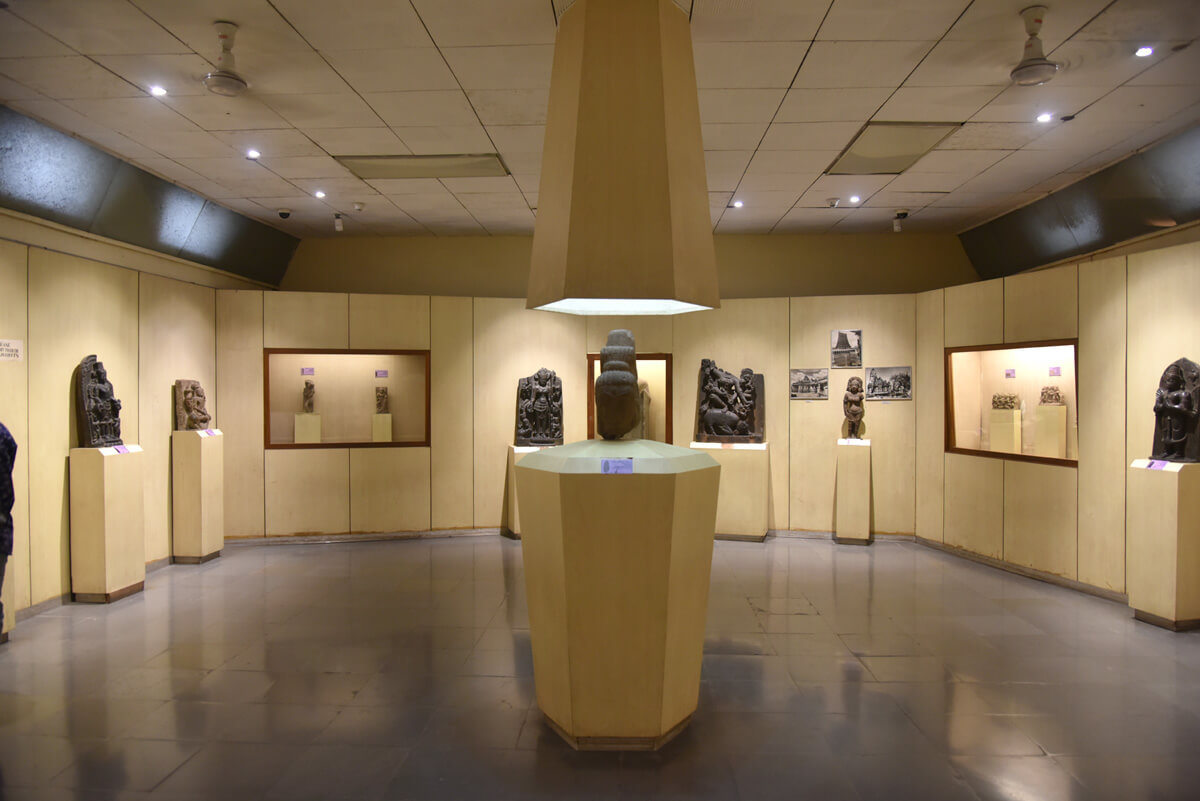
Although modest in number, the Salar Jung Museum houses an exceptional collection of Indian stone sculptures. Ancient Indian sculpture exhibits a remarkable diversity of styles. This is largely because sculptors, though trained in the artistic traditions of their own regions, often travelled extensively to study and assimilate the sculptural practices of other parts of the country. Artistic knowledge was traditionally passed down from one generation to the next, often within families. Sculptors also belonged to organised guilds and enjoyed a respected position in society.
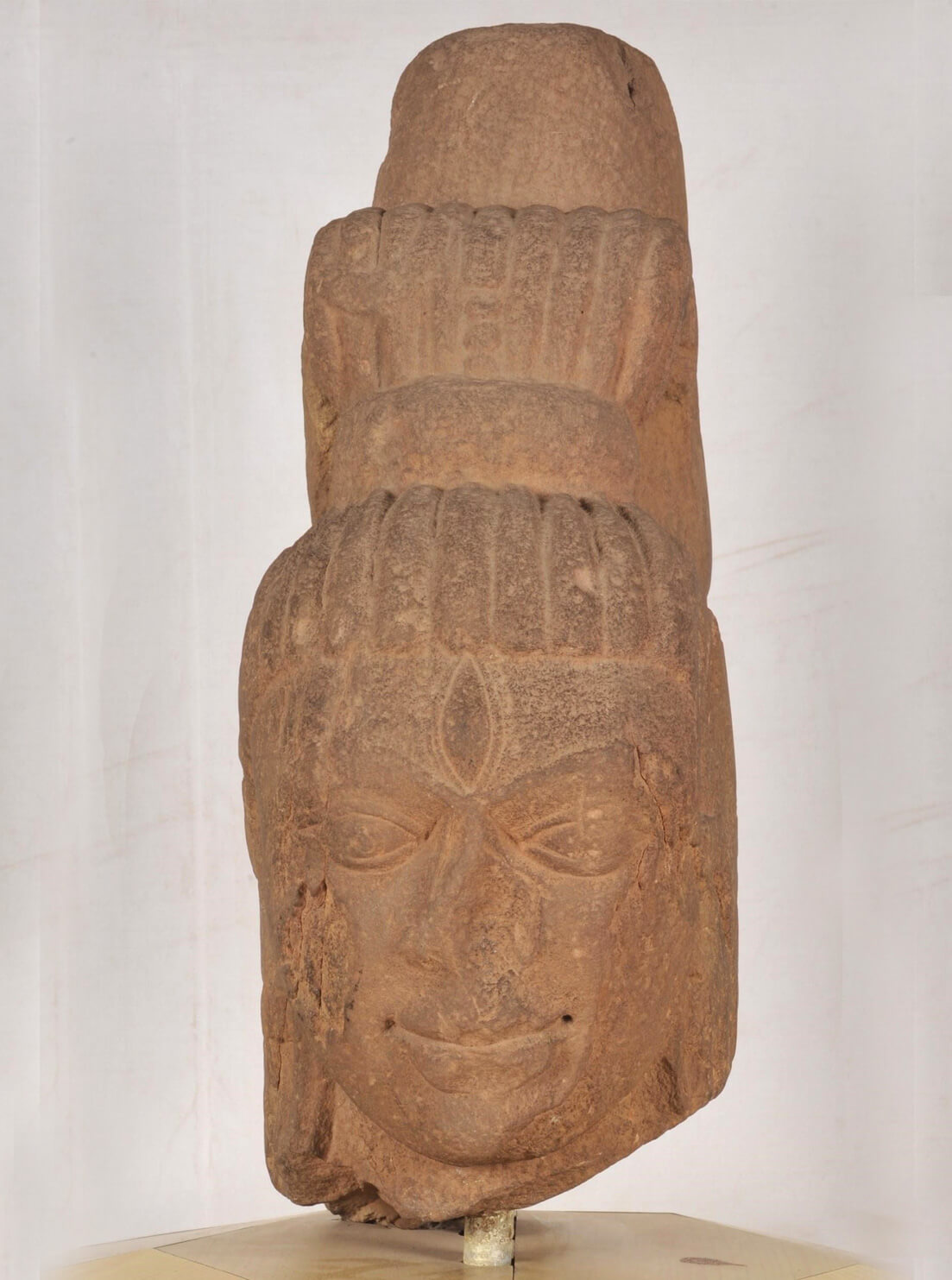
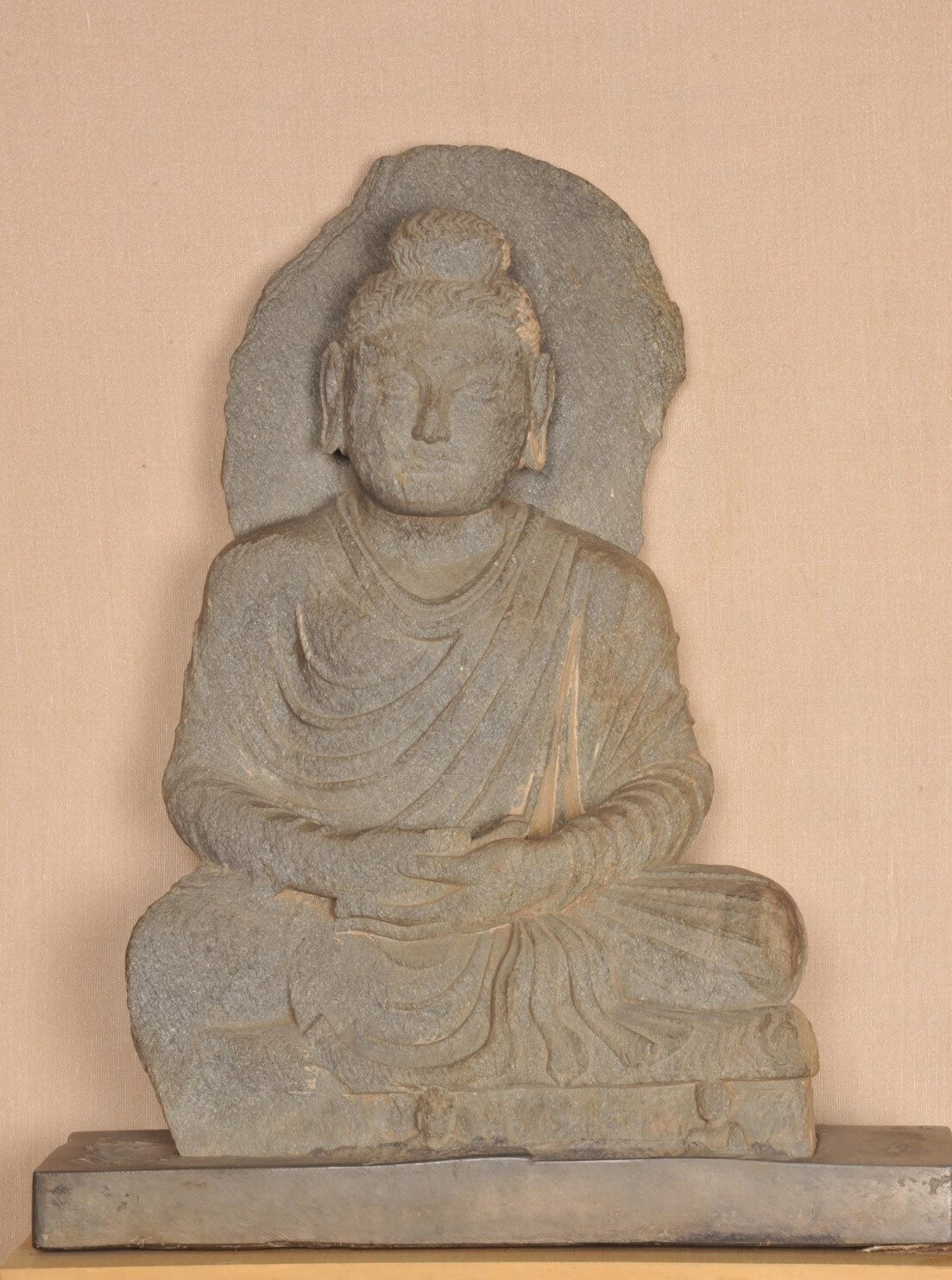
The Indian Sculpture Gallery houses forty-three stone sculptures dating from the 1st century BCE to the 19th century CE. The sculptures are carved from sandstone, granite, limestone, and marble. The collection comprises twenty-four Hindu sculptures, six Jaina sculptures, and five Buddhist sculptures. Among the earliest works are sculptures from the Gandhara and Mathura schools, dating to the 1st and 2nd centuried CE. The Salar Jung Museum also houses two rare schist sculptures from the Gandhara period, together with two buff sandstone sculptures of the Shunga – an ancient Indian sculptural style.
Nagarjunakonda, situated on the banks of the River Krishna, is one of India’s most important Buddhist archaeological sites. The Ikshvaku dynasty, which ruled from Vijayapuri, governed parts of ancient Andhradesa after the decline of the Satavahanas during the early centuries CE (Historical chronology should be verified.) The Ikshvaku rulers were important patrons of Buddhism. One of the gallery’s highlights is a limestone Standing Buddha, attributed to the Ikshvaku period, characterised by a tilak and stylised curly hair.
Contemporary with the Gandhara School, the indigenous Mathura School of sculpture flourished under the Kushan rulers. Among the museum’s prized possessions are a Buddha in Dhyana Mudra and a Shalabhanjika, both representing the Mathura tradition.
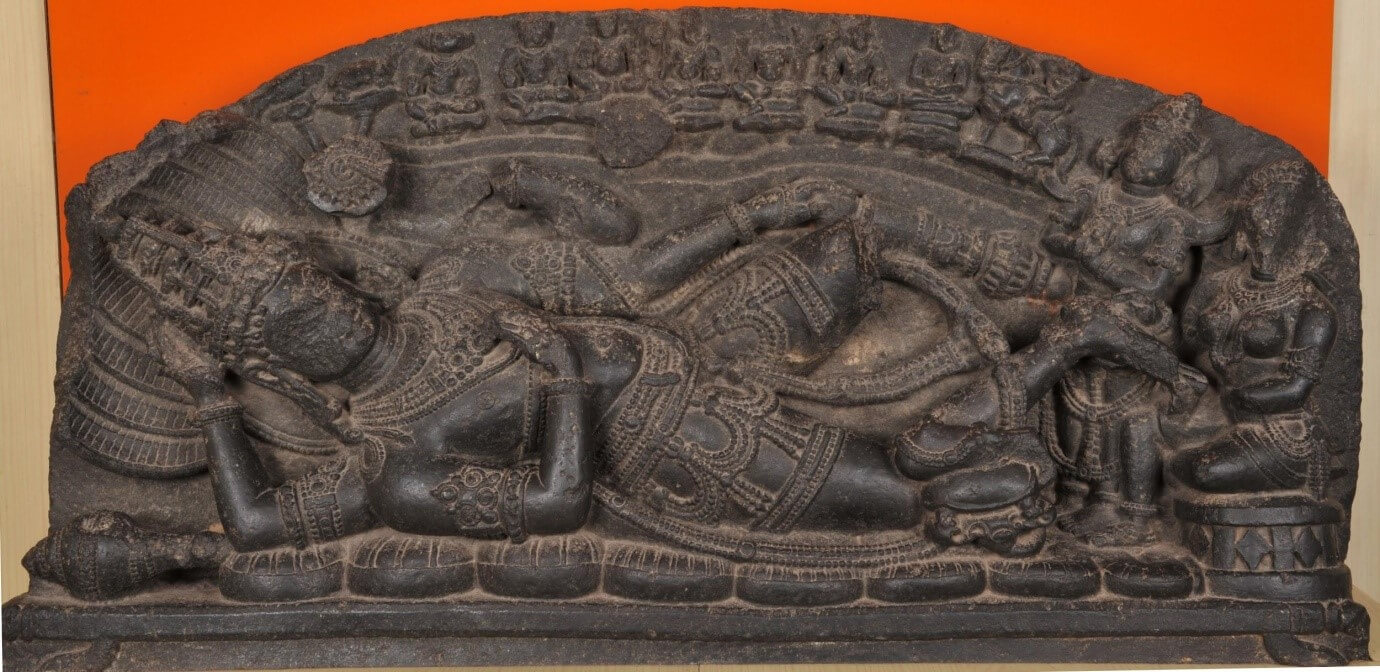
The Gupta dynasty (c.320–540 CE) is widely regarded as the Golden Age of Indian art, culture, and literature. The Salar Jung Museum possesses a fine collection of sculptures depicting Hindu themes, including Vishnu with Two Consorts from Mathura and Yaksha with Two Consorts from Kaushambi. (The material should be verified, as Mathura sculptures are typically sandstone rather than granite.) Anantashayi Vishnu is one of the Museum’s most celebrated sculptures. It depicts Vishnu reclining on the cosmic serpent Shesha, with representations of his ten incarnations (Dashavatara) and Garuda at his feet. Created during the Kakatiya dynasty (11th – 13th centuries), it is an outstanding example of medieval Hindu sculpture.
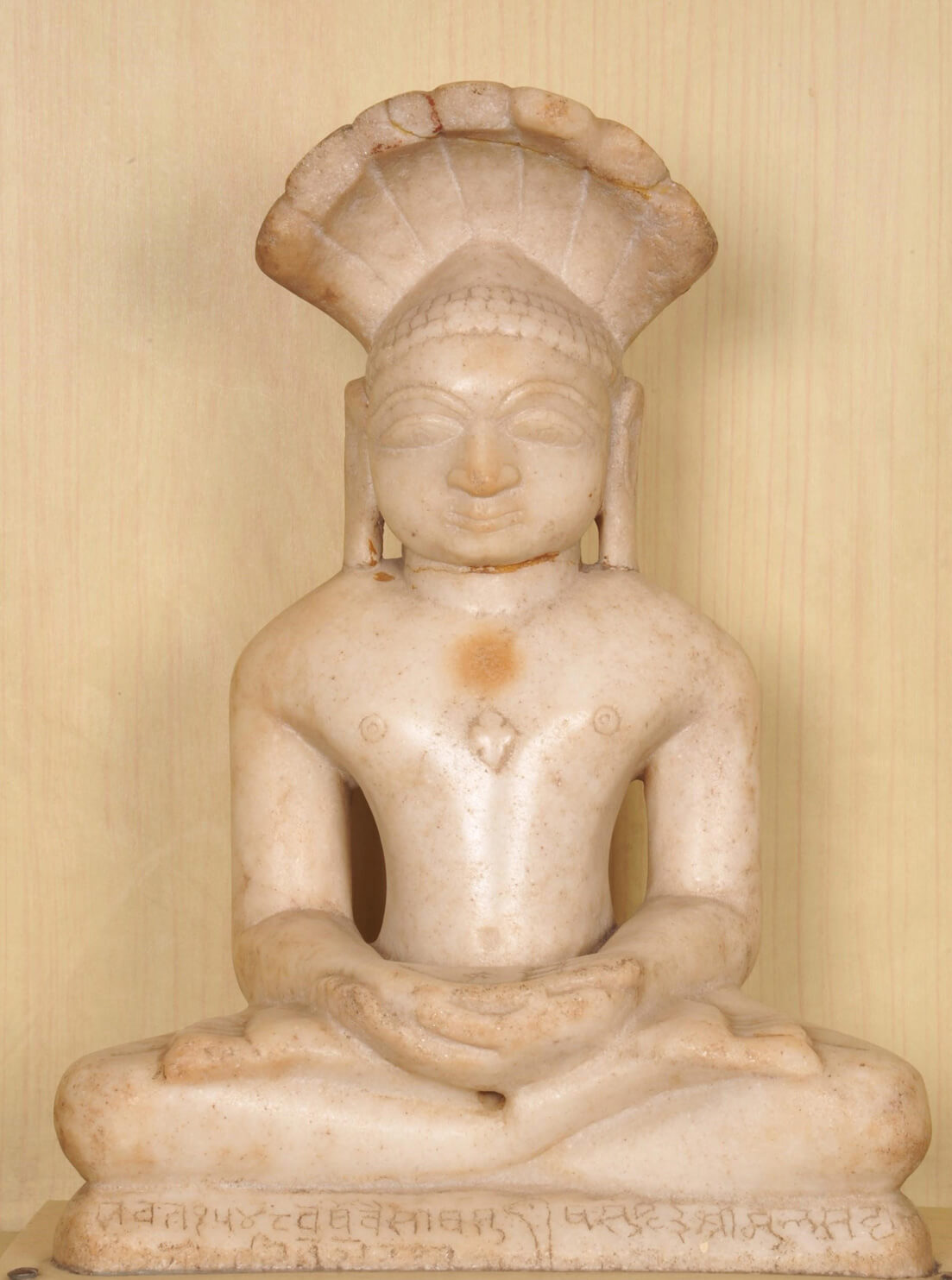
The gallery also houses six Jaina sculptures. Among them are standing sculptures of Parshvanatha and Mahavira, each sheltered beneath a seven-headed Naga canopy and accompanied by representations of the Tirthankaras at the four corners. These sculptures are carved in basalt and bear inscriptions in the Kannada script.