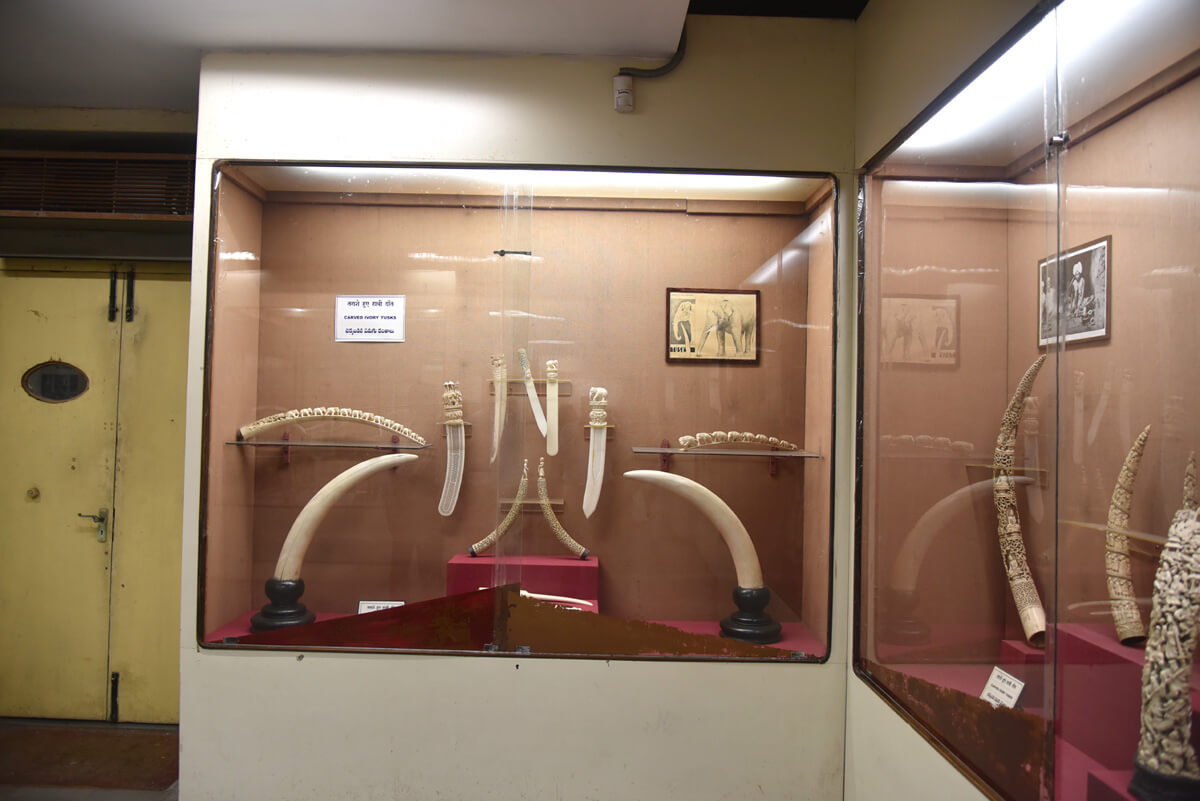
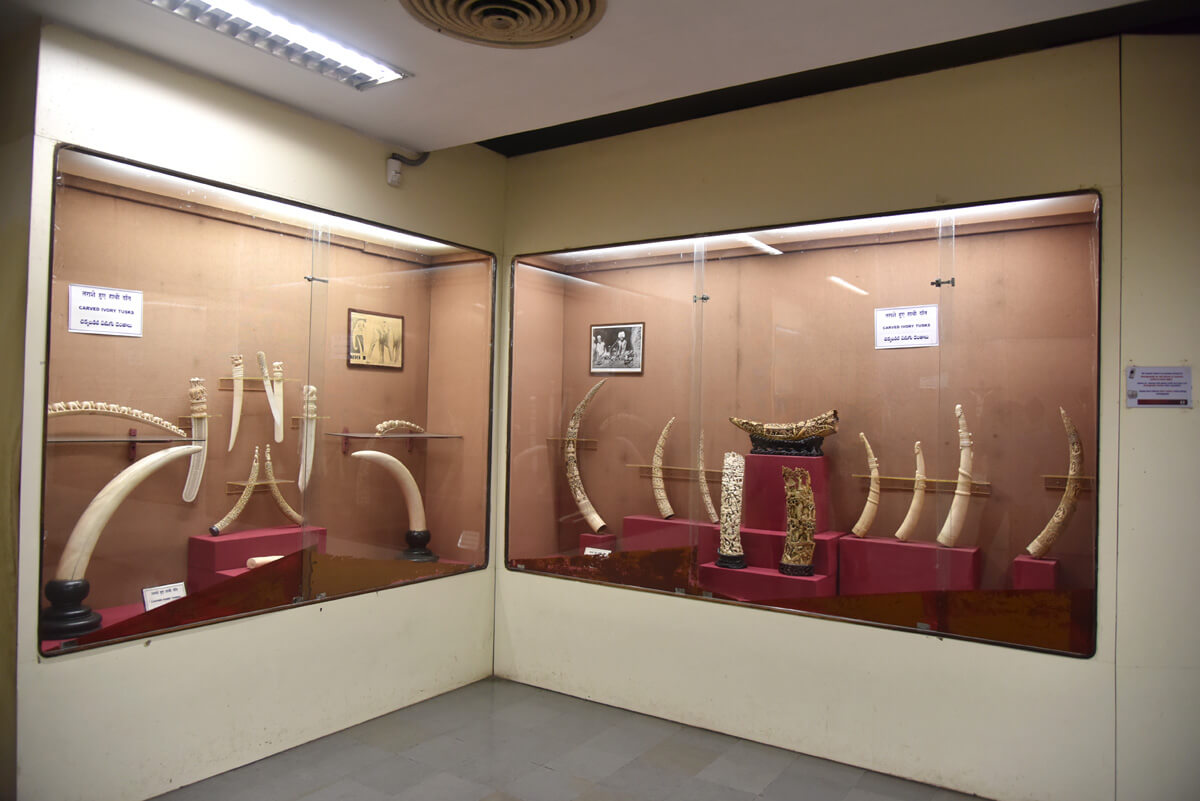
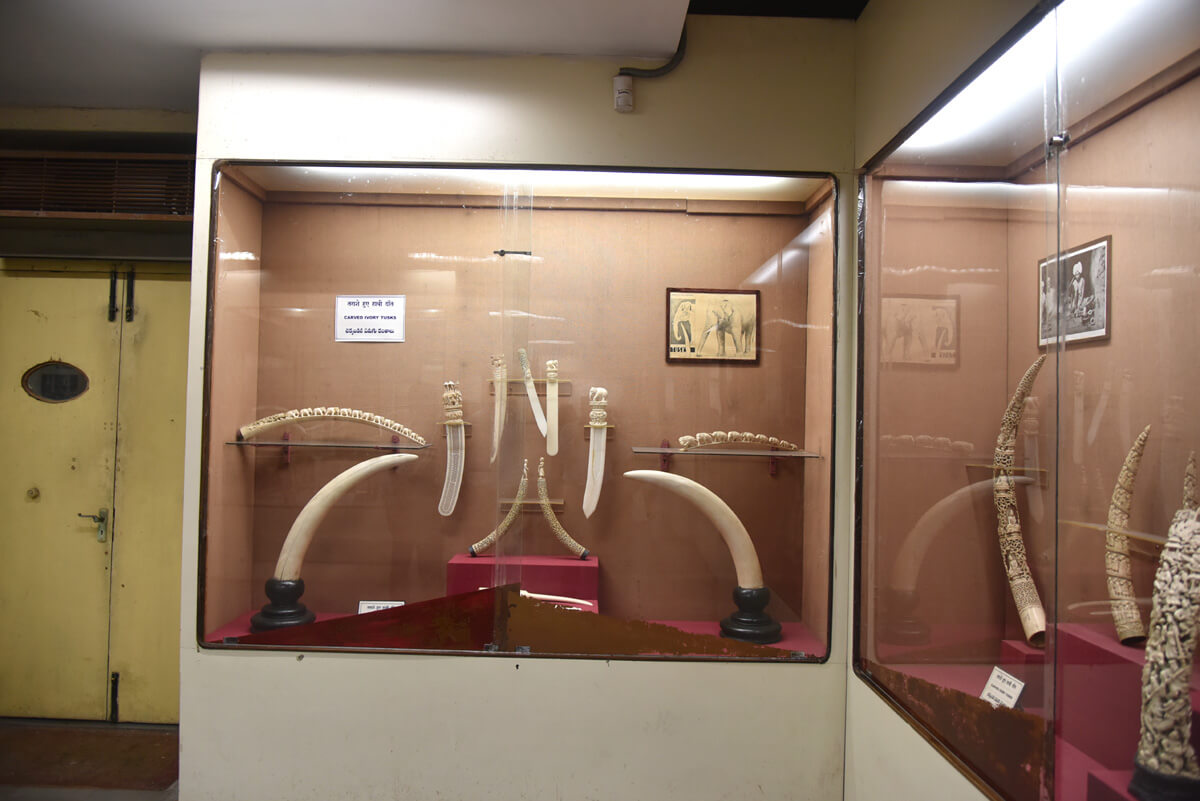
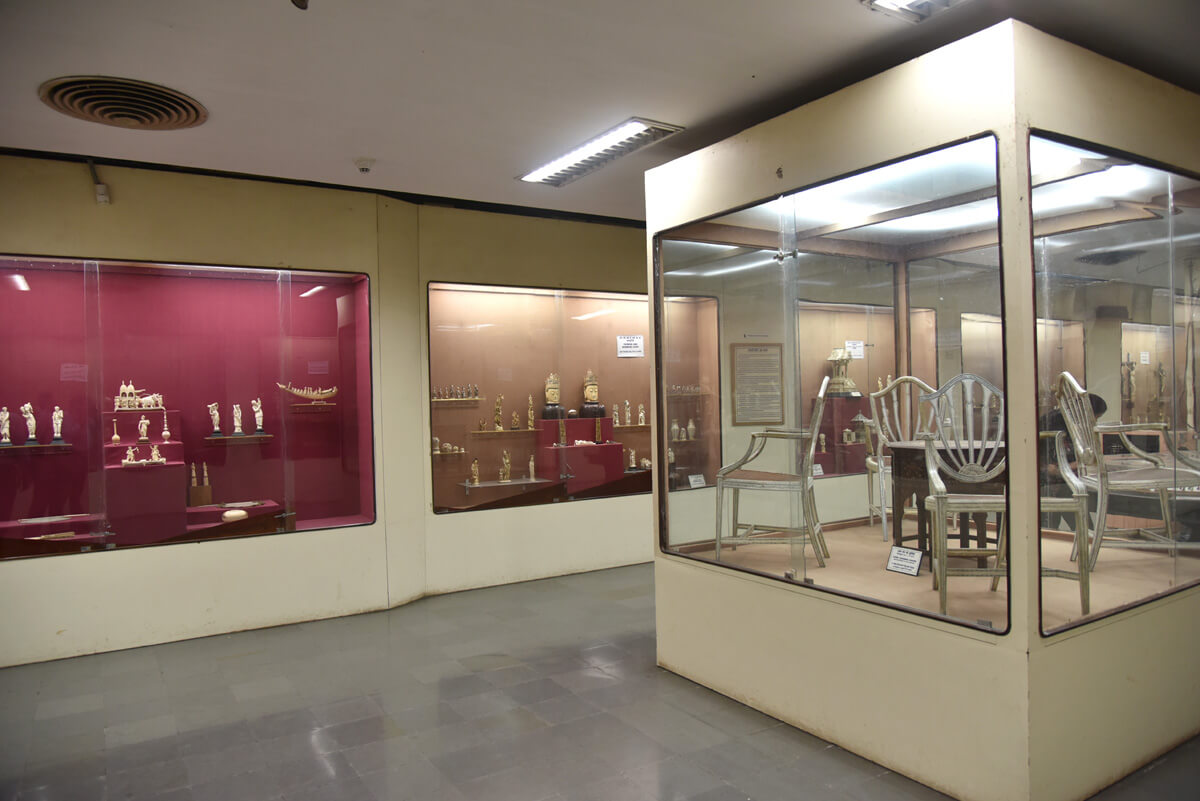
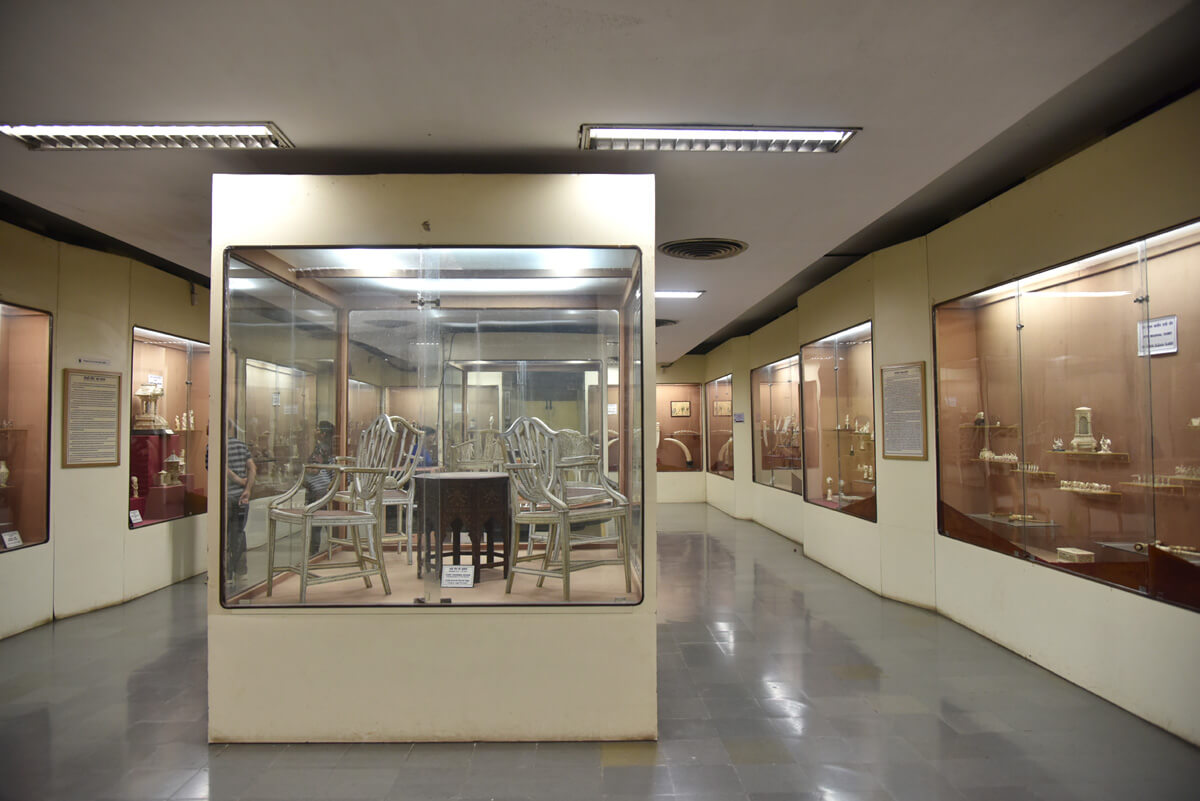
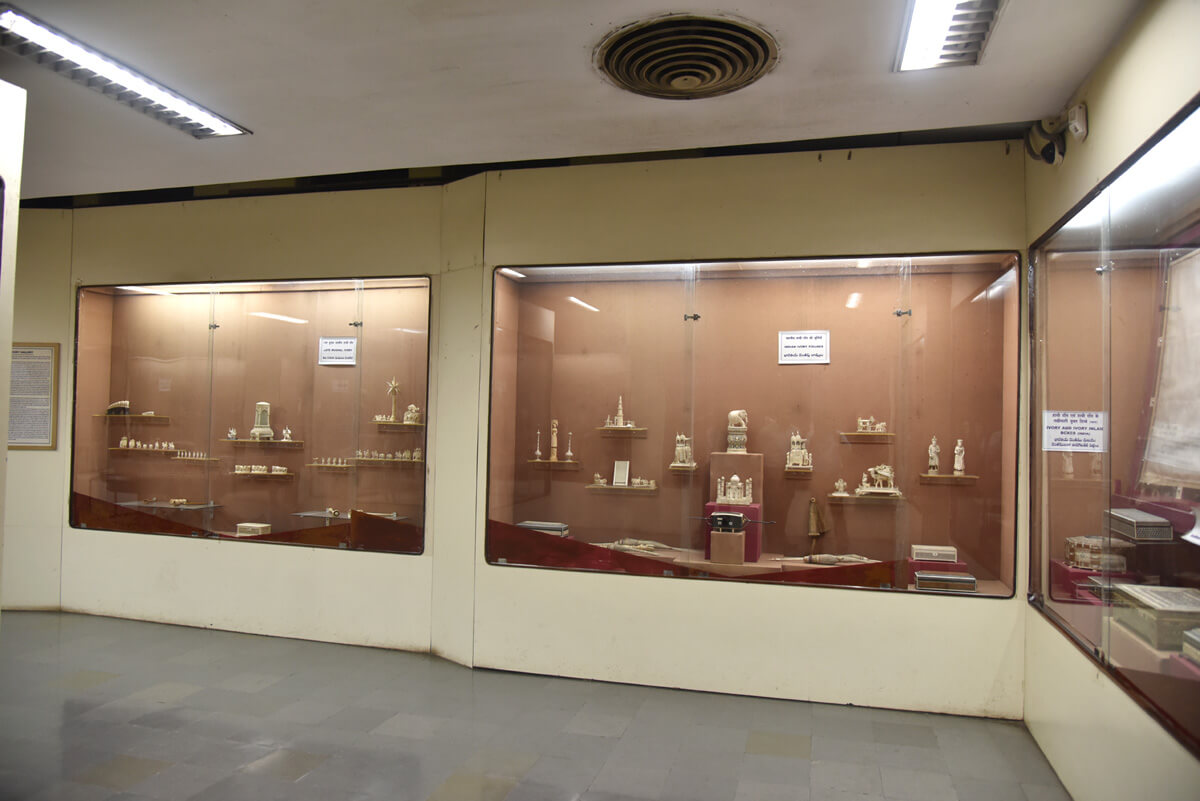
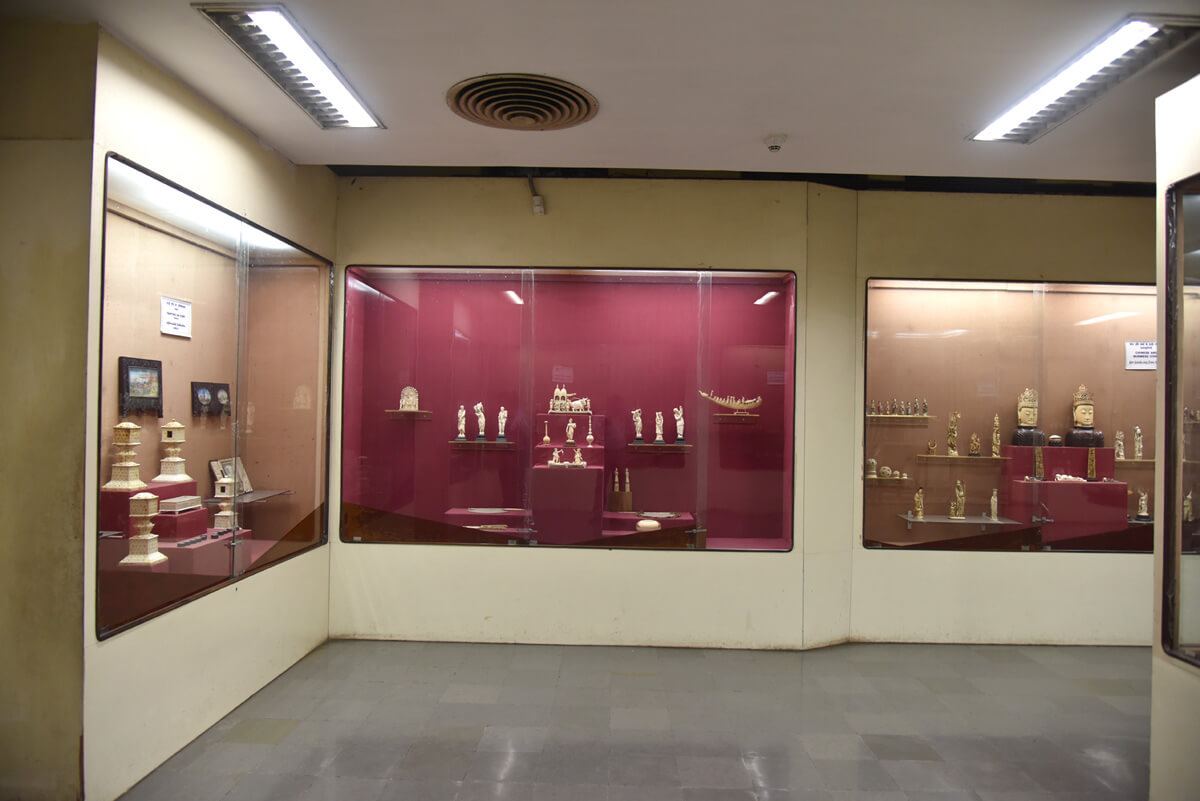
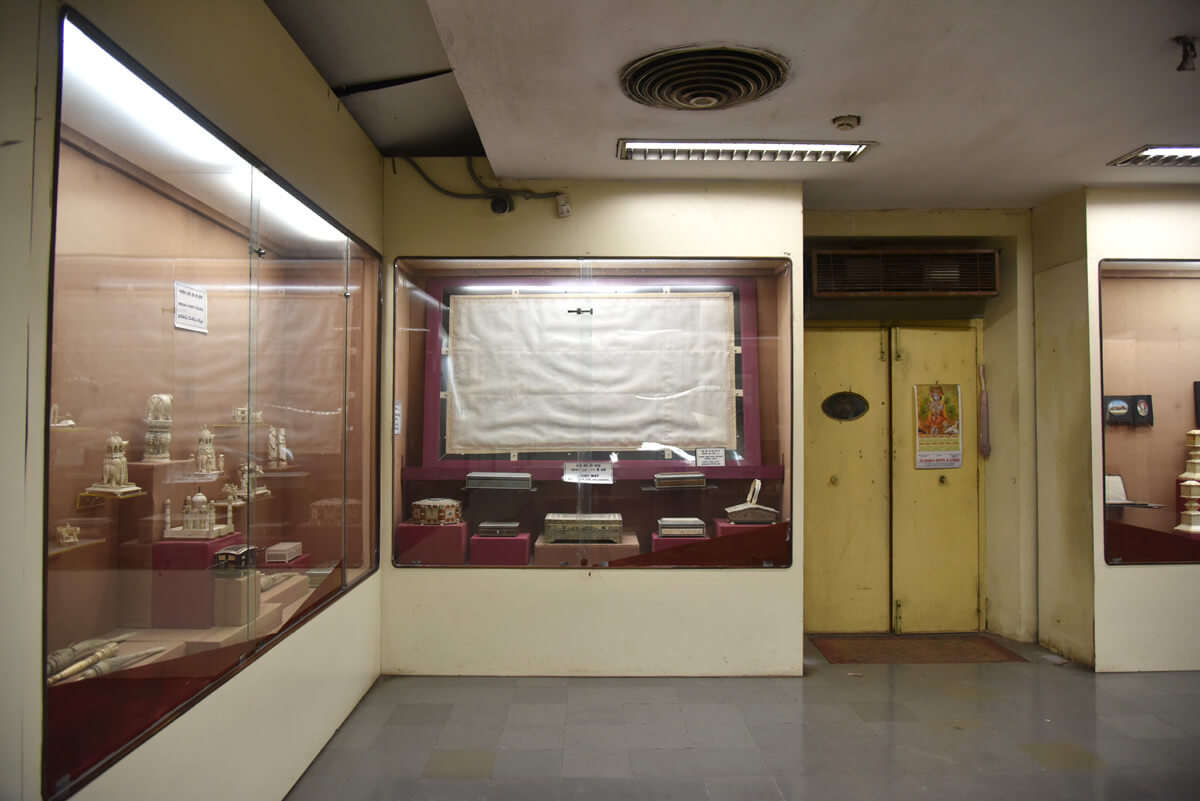
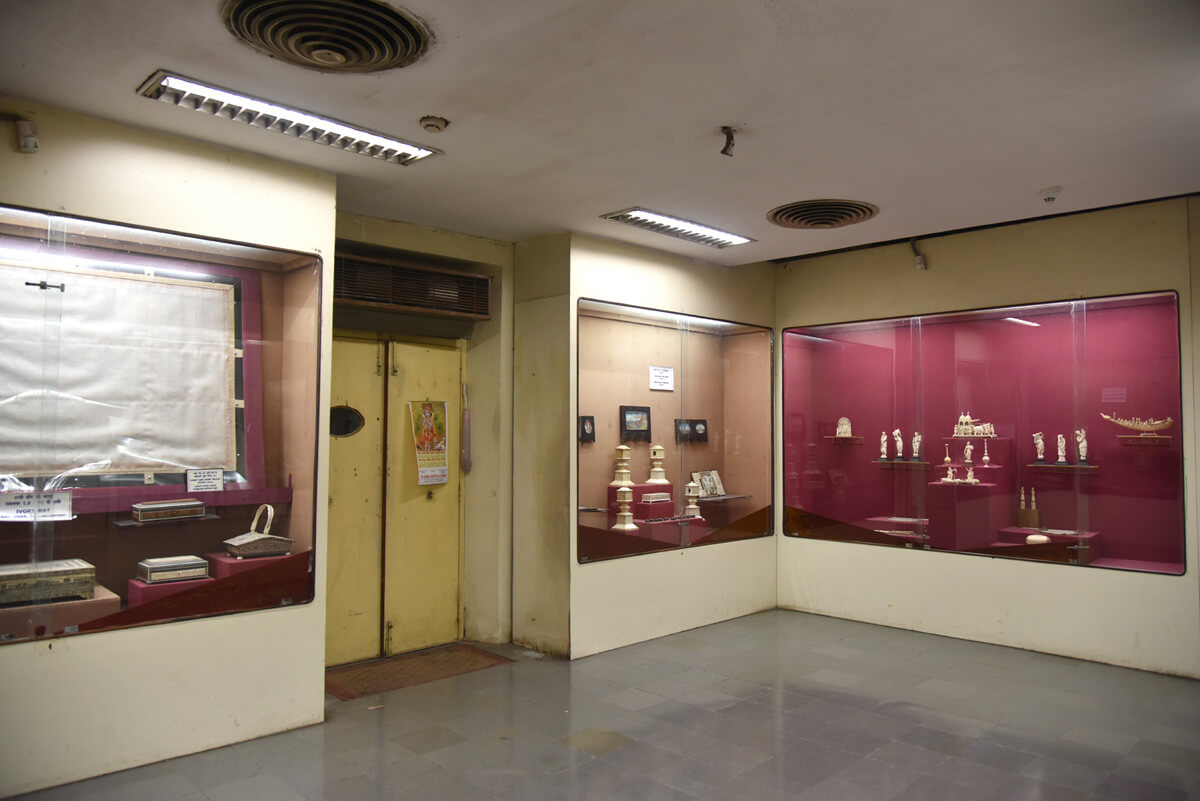
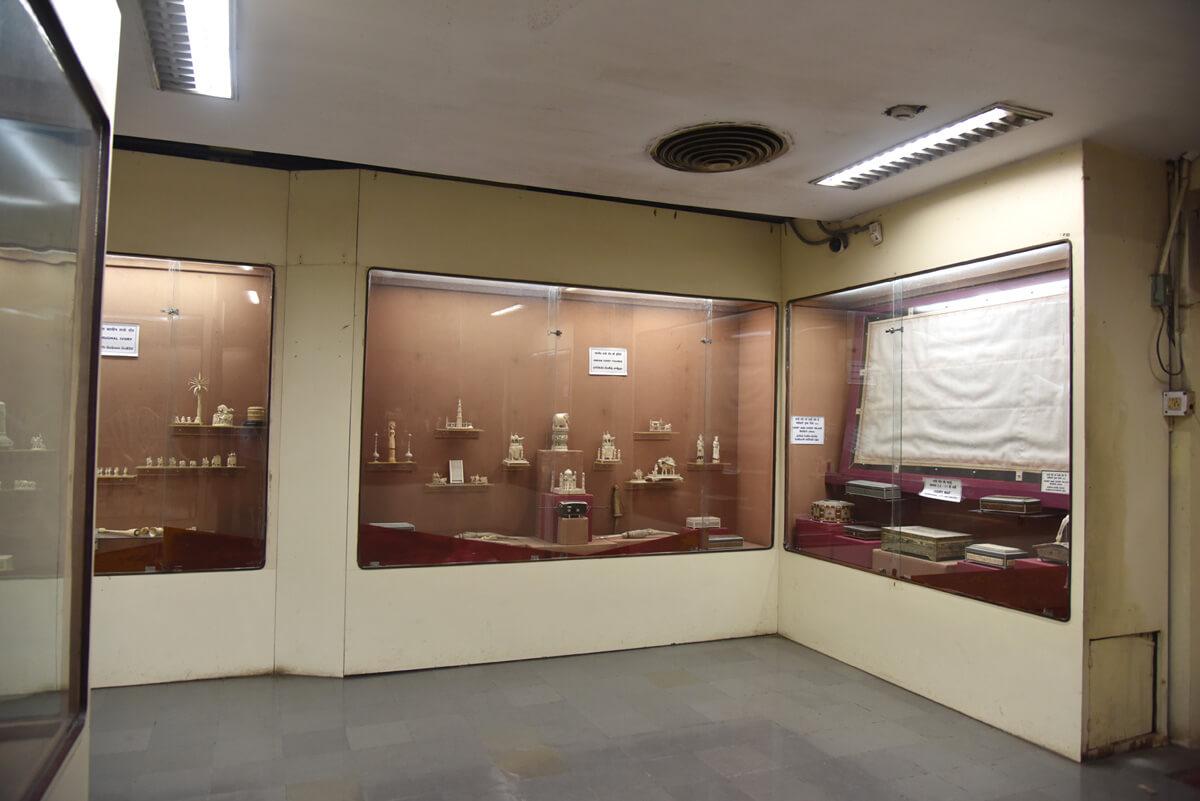
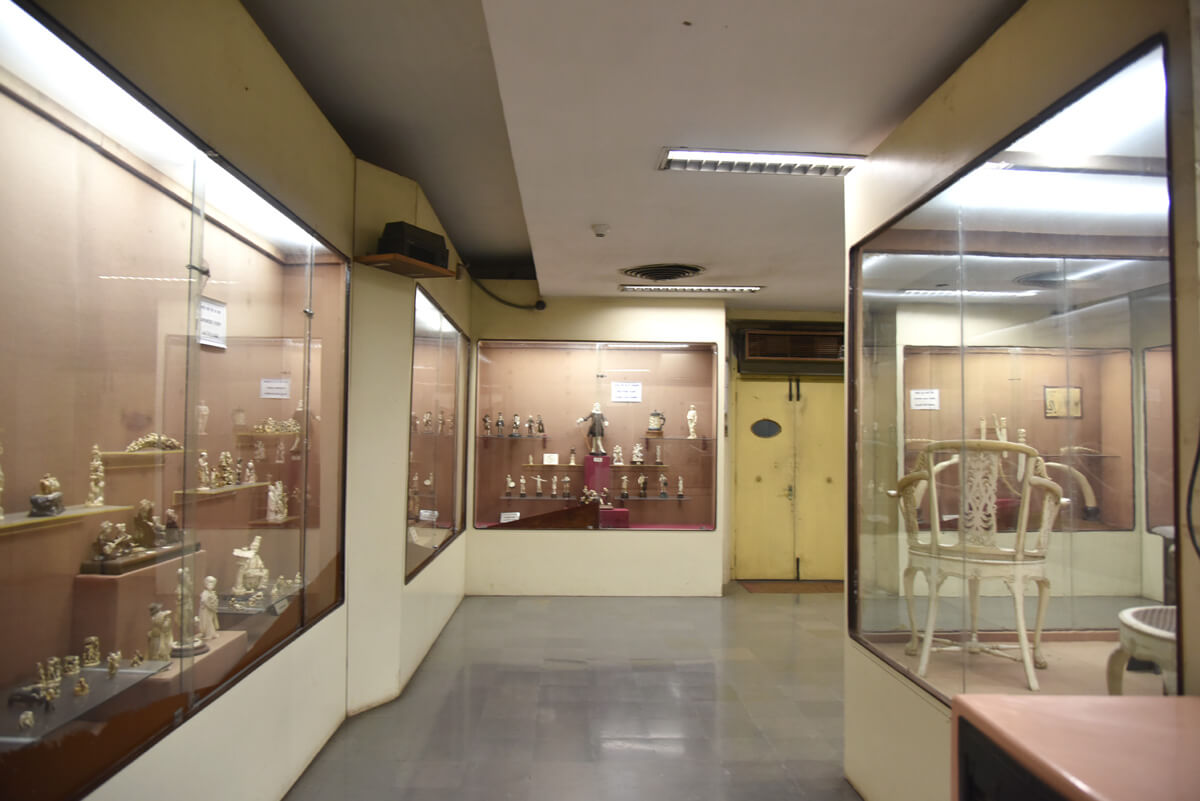
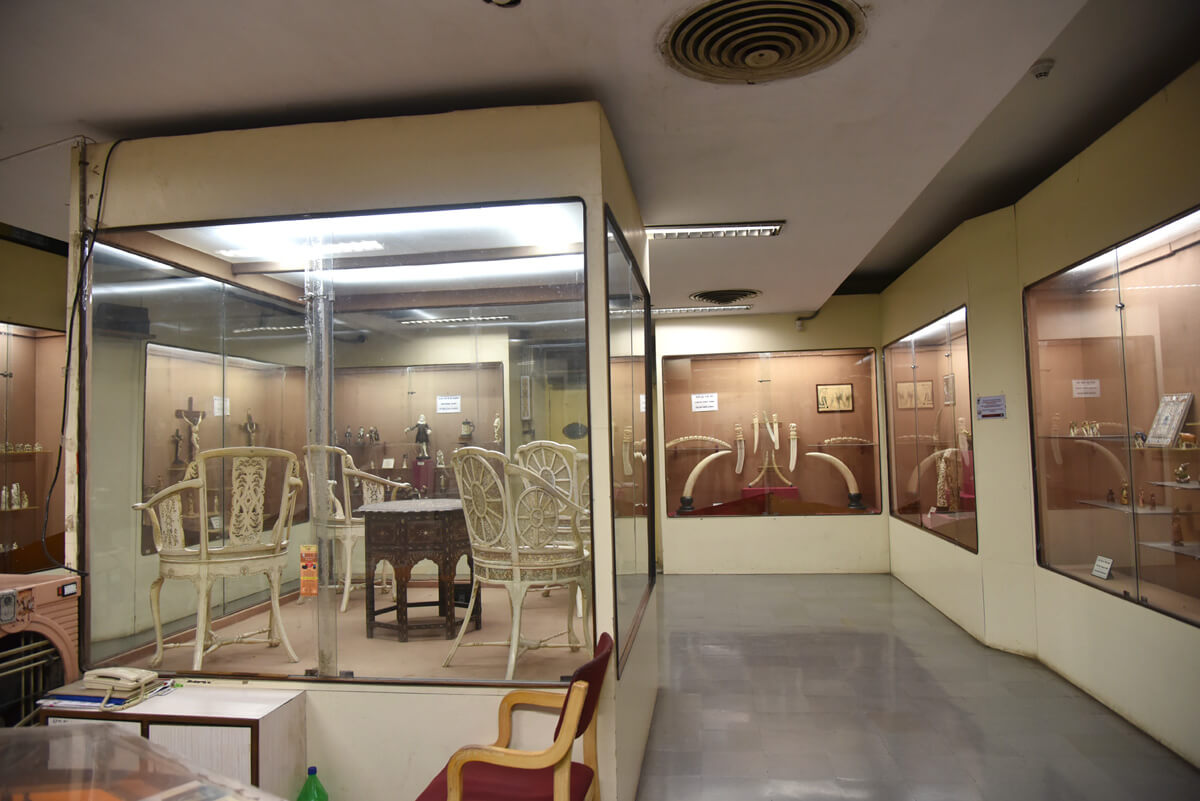
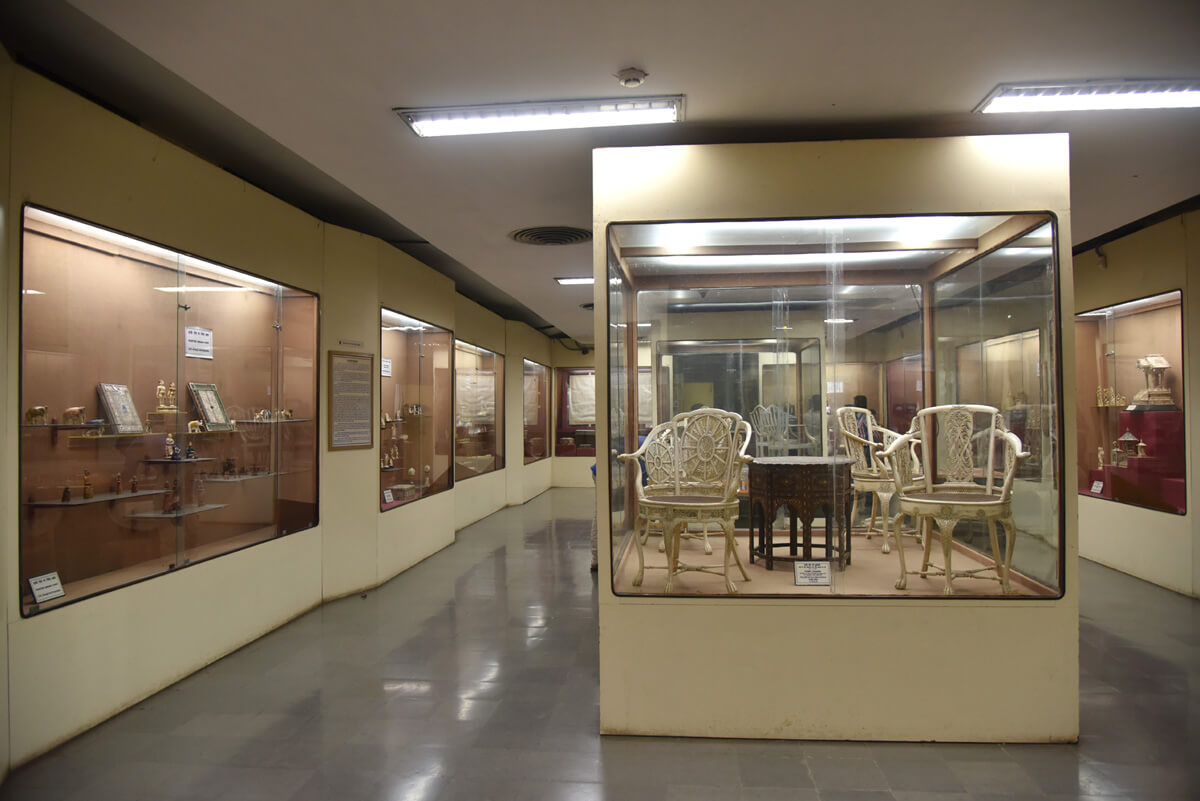
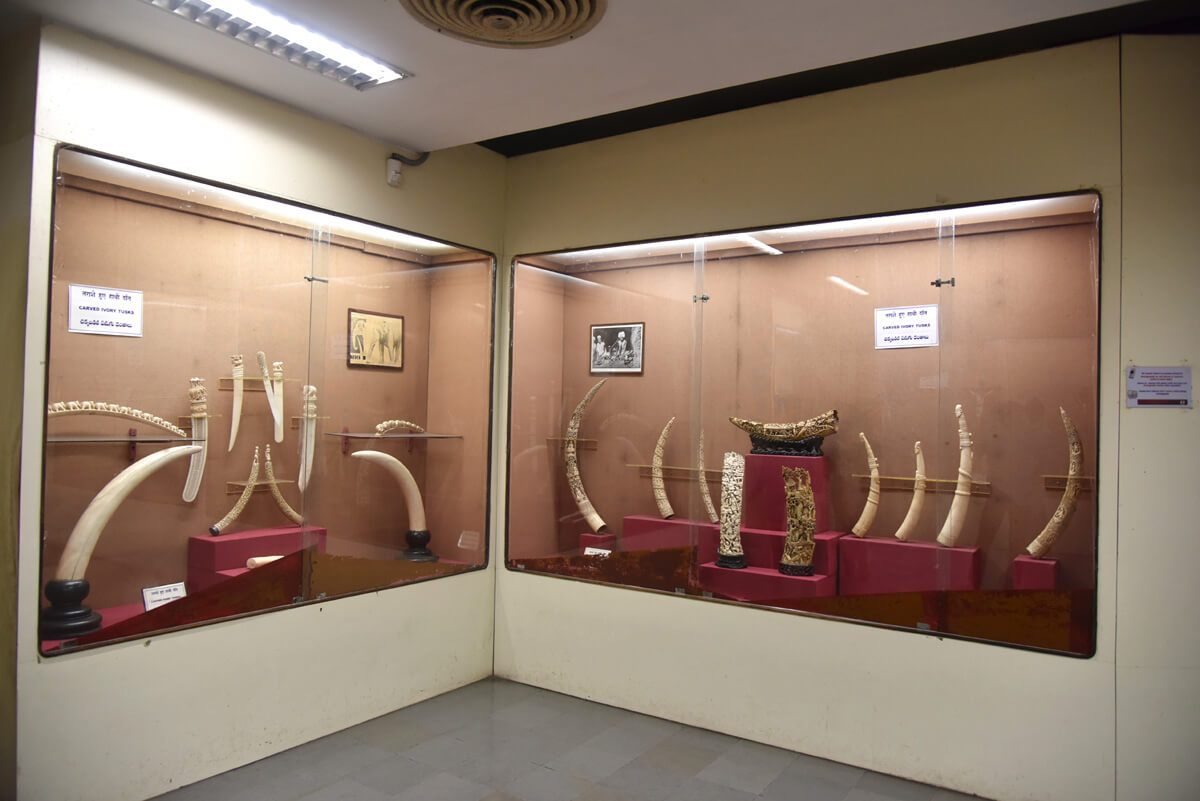
The Salar Jung Museum houses an extensive collection of ivory carvings from around the world. The collection illustrates the significant role of ivory as an artistic medium throughout the history of human craftsmanship. Although much of the collection dates to the more recent past, it reflects the remarkable skill of ivory craftsmen and their pursuit of artistic excellence.
From the Indus Civilisation to the 20th century, ivory was widely used by Indian craftsmen owing to its durability, fine texture, and suitability for intricate carving.
The term ivory refers not only to elephant tusks but also to the tusks and teeth of animals such as the walrus, narwhal, and hippopotamus. Important centres of ivory carving in India included Delhi, Mysore, Kerala, and Visakhapatnam. The subjects depicted in ivory carvings often reflect the cultural values and artistic traditions of their respective periods.
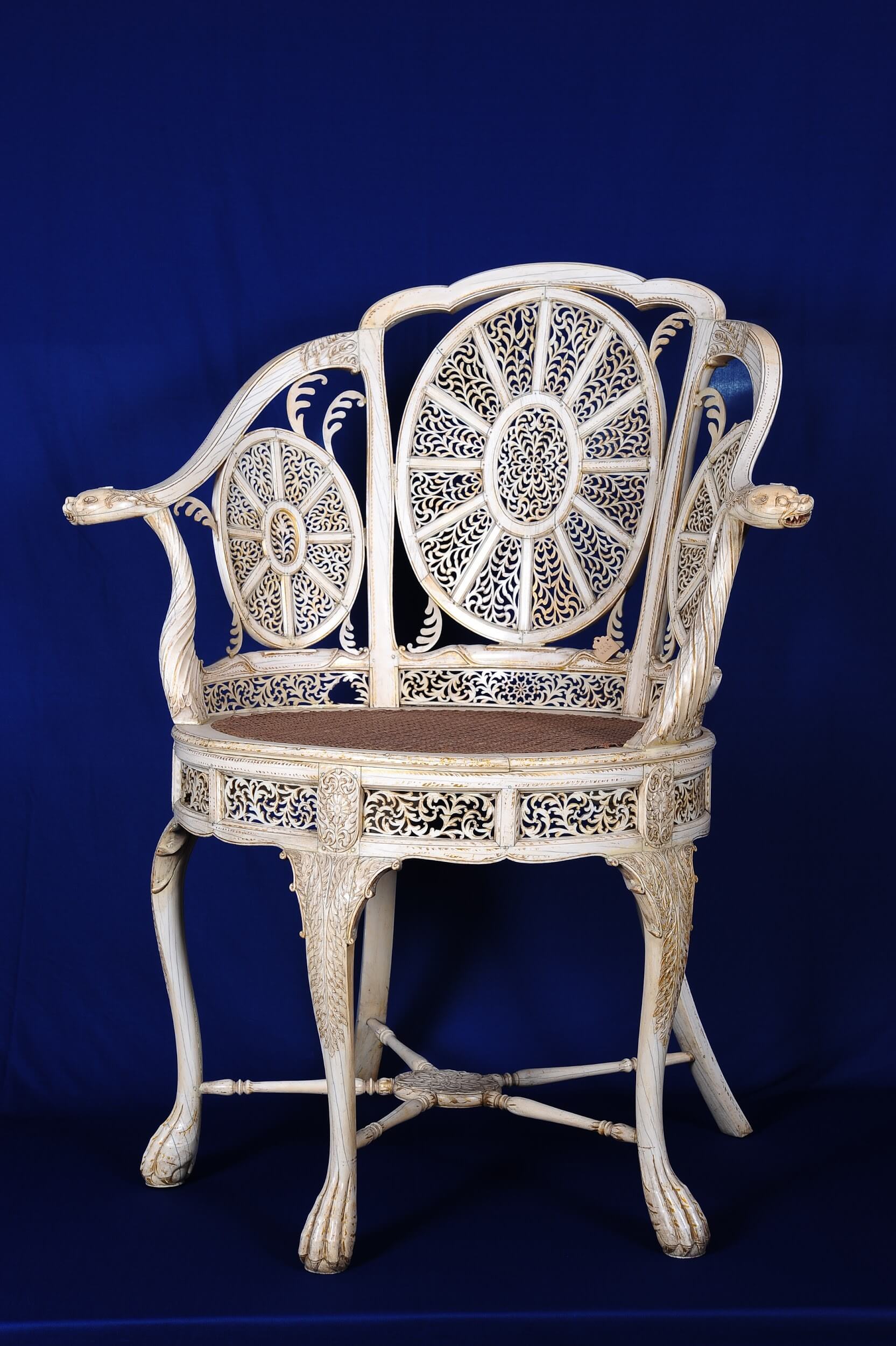
The museum’s collection includes a wide variety of subjects, including human and mythological figures, animals, chessmen, paper-cutters, furniture, and miniature paintings on ivory. One of the collection’s most celebrated objects is the Ivory Mat, admired by both scholars and visitors. Its warp and weft are woven entirely from fine ivory threads. The resulting work is both visually striking and an extraordinary demonstration of the craftsman’s skill. Another notable exhibit is a pair of ivory-inlaid chairs believed to have belonged to Tipu Sultan and traditionally said to have been presented to him by King Louis XVI of France. (This attribution should be verified.)
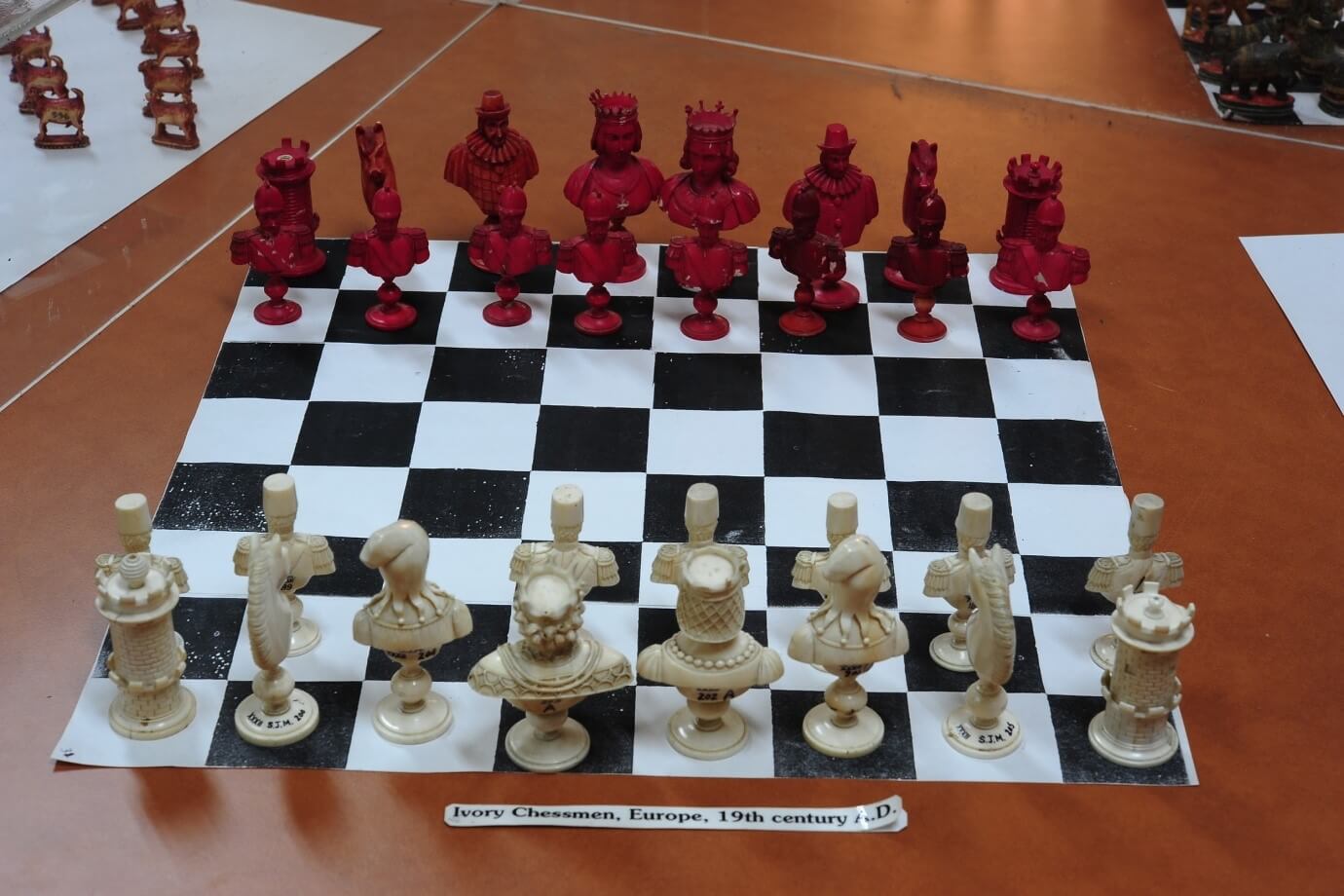
The collection also includes an impressive set of chessmen and a chausar board. In the chess set, the pawns are represented as soldiers, while the king and queen are shown riding richly caparisoned elephants. These painted chess pieces date from the 18th and 19th centuries and originate from North India.
The museum also houses an exceptional collection of ivory paper-cutters, distinguished by their large size and intricate carving. One particularly remarkable paper-cutter features a carved elephant carrying three seated figures upon an elaborately decorated pedestal. (The word “swathe” appears to be incorrect and should be verified.) The pierced blade is decorated with creeper borders and floral and star-shaped motifs at its centre. This object dates to the 19th century and is attributed to Delhi.
In addition to these objects, the museum houses ivory carvings depicting procession scenes, finely carved boxes, fly whisks, animal figures, and bedsteads. The museum also possesses a collection of miniature paintings on ivory, an art form that flourished in Delhi. Many of these works are inspired by celebrated Mughal, Rajasthani, and Pahari miniature paintings.